
Tools
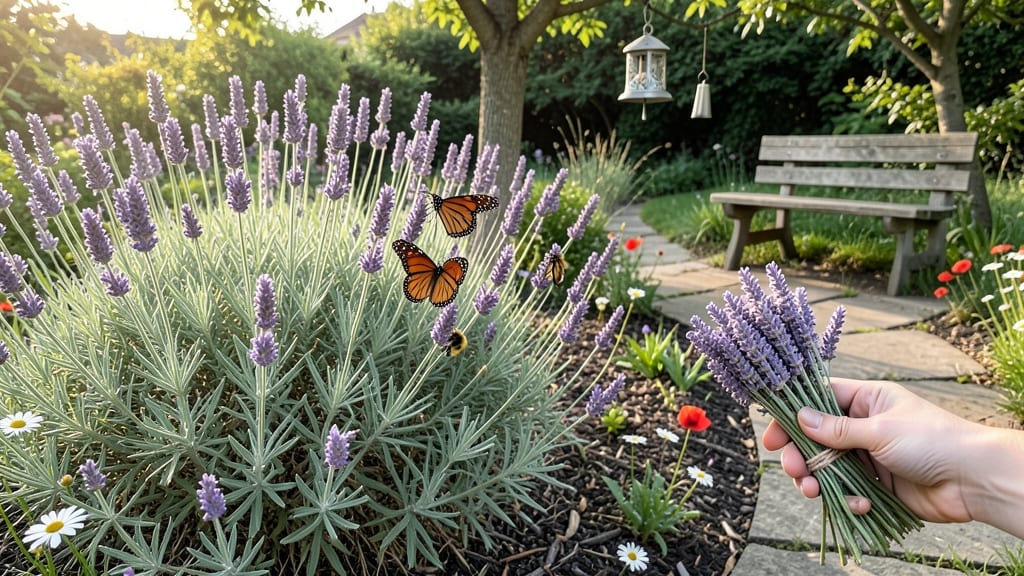
The Garden of Happiness creates joy through vibrant edible blooms like nasturtiums and marigolds, which draw in bees and butterflies while brightening any space. Cultivate them in loose, nutrient-rich soil with plenty of sunlight, keep watering consistent but not excessive, and enjoy harvesting flowers for salads or arrangements. Choosing local varieties helps sustain native wildlife and keeps your garden thriving all season.
The Garden of Happiness isn't just about pretty petals—it's a living ecosystem that supports pollinators while adding flavor and color to your meals. 🌸 Many edible flowers like calendula and violets double as natural pest deterrents, reducing the need for harsh chemicals.
I've found that planting a mix of early, mid, and late-season blooms ensures continuous food for bees from spring through fall, creating a self-sustaining cycle of life and beauty in your yard.
What makes this garden truly special is how it connects us to nature's rhythms. Harvesting flowers for salads or teas gives you fresh, pesticide-free ingredients straight from your own plot, while the pollinators work their magic to fertilize nearby plants.
This creates a win-win: you get gorgeous blooms and homegrown garnishes, while local wildlife thrives. The key is starting small—even a windowsill container can become a pollinator paradise with the right flower choices.
💡 In This Article
- Why Edible Flowers Boost Pollinator Populations
- Best Edible Flowers for Beauty and Culinary Use
Why edible flowers boost pollinator populations
Edible flowers like nasturtiums and marigolds serve as critical nectar sources for declining pollinator populations. Studies show that bees and butterflies rely on these blooms for up to 70% of their diet, especially during early spring when native plants haven't yet emerged.
The open, accessible structure of many edible flowers—like the flat petals of pansies or the tubular blooms of borage—makes them ideal landing pads for pollinators with different body types. 🌿 For instance, bumblebees can reach deep into borage flowers to access nectar, while smaller insects like hoverflies prefer the shallow petals of calendula.
The ecological impact becomes clearer when comparing native versus non-native species. Native flowers have co-evolved with local pollinators, offering perfectly timed blooms that match their life cycles.
For example, eastern red columbine provides nectar in early spring when few other flowers are available, while non-native petunias may bloom later and miss this critical window. Planting a mix of both types creates a continuous food supply, supporting pollinators through all growth stages.
Research from the Xerces Society reveals that gardens with diverse flower species can increase bee visits by up to 300% compared to monoculture plantings.
What most gardeners don't realize is how flower structure directly affects pollinator efficiency. Open-faced blooms like nasturtiums expose both nectar and pollen simultaneously, allowing quick access. In contrast, tightly closed flowers may require pollinators to work harder, potentially discouraging them from visiting.
This structural diversity is why a Garden of Happiness should include flowers with varying shapes—from the daisy-like form of chamomile to the spiky petals of hollyhock—each serving different pollinator needs. The result is a self-sustaining ecosystem where every bloom plays a role in the garden's health.
Beyond nectar, edible flowers provide essential habitat elements. Many species offer shelter in their foliage or create microclimates that protect pollinators from predators. For example, the dense growth of borage creates shaded resting spots for bees during hot afternoons.
This habitat creation is particularly vital as urbanization reduces natural wildflower meadows by 97% in some regions, according to the U.S. Fish & Wildlife Service. By planting even a small patch of edible flowers, you're not just adding beauty—you're creating a lifeline for these crucial ecosystem engineers.
The benefits extend beyond the garden's borders. A single healthy pollinator can fertilize dozens of flowers in a day, boosting fruit and seed production for nearby plants. This ripple effect means your edible flowers may indirectly improve the yield of your vegetables or fruit trees.
For instance, a study in Michigan found that gardens with diverse flowering plants increased tomato production by 20% through better pollination. The key is planting in clusters rather than scattered rows, as this creates visual cues that help pollinators locate food sources more efficiently.
To maximize impact, focus on planting flowers that bloom at different times throughout the season. Early spring bloomers like violets provide food when few alternatives exist, while late-season flowers like cosmos extend the feeding period into fall.
This staggered approach ensures pollinators have a reliable food source from April through October, matching their active periods. The result is a garden that doesn't just look beautiful but actively contributes to the survival of species that keep our ecosystems thriving. 🌼