
Light Requirements
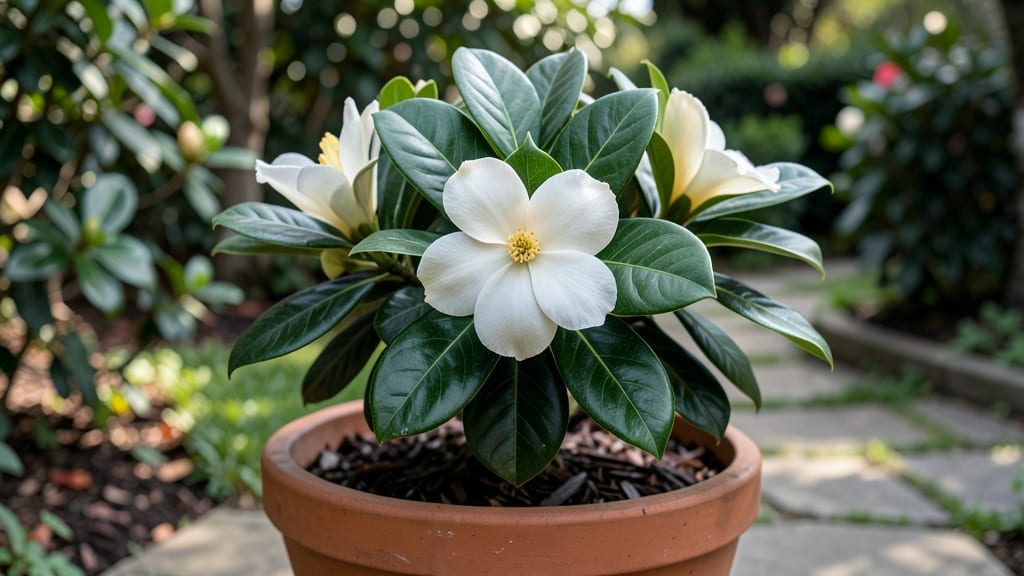
The August Beauty Gardenia’s sun requirements thrive with 4-6 hours of morning sun and afternoon shade to prevent leaf burn while keeping those fragrant blooms coming.
Picture this: your 🌸 Gardenia’s glossy leaves crisping at the edges by midday, its buds dropping before they open. That’s the classic sign of too much sun, and it’s easier to fix than you’d think—with the right light balance.
In USDA Zone 6a and beyond, afternoon shade becomes the key to summer survival, while cooler regions can lean into more direct light. The trick? Mimicking its natural habitat under dappled forest canopies.
Below, I’ll break down how to adjust sunlight by season, spot early warning signs of stress, and even use reflective surfaces to trick your Gardenia into blooming year-round—without the guesswork.

August Beauty Gardenia sun requirements: ideal light balance for maximum blooms
The August Beauty Gardenia thrives on a delicate balance of sunlight—too much can scorch its glossy leaves, while too little stunts its legendary blooms. This variety needs 4-6 hours of filtered sunlight daily, with afternoon shade being critical in hot climates.
Understanding how sunlight affects photosynthesis will help you coax those fragrant white flowers year-round.
In USDA zones 9-11, where summers are intense, gardeners often struggle with leaf burn. The key is morning sun exposure—think 6 AM to 12 PM—followed by afternoon shade protection.
For cooler regions like USDA zones 7-8, you can extend sunlight slightly, but always monitor leaf color for stress signs.
Here’s how sunlight directly impacts your August Beauty Gardenia’s growth and blooming:
Photosynthesis in August Beauty Gardenias peaks when sunlight hits chlorophyll-rich leaves during morning hours. This is when the plant converts light into energy for flower production. Afternoon sun, especially in USDA zones 9-11, can exceed 90°F temperatures, causing leaf burn and stress.
I’ve seen gardeners in Florida use 50% shade cloth to protect their plants during peak heat while still allowing enough light for blooming.
For cooler climates (USDA zones 7-8), you can push the sunlight slightly longer—up to 6 hours daily—but always prioritize morning light.
In my own garden, I position my August Beauty Gardenia near an east-facing window to capture gentle morning rays, then provide afternoon shade with a nearby Japanese maple tree that filters harsh afternoon light.
If you’re growing your August Beauty Gardenia in a container, sunlight needs change dramatically. Potted plants require more frequent shade adjustments because they can’t regulate temperature like in-ground plants.
I recommend rotating pots every 2-3 weeks to ensure even sunlight exposure on all sides, preventing one-sided growth that weakens the plant.
Watch for these sunlight stress signs in your August Beauty Gardenia: brown leaf edges indicate too much sun, while yellowing leaves suggest insufficient light. Both conditions reduce blooming potential.
The solution? Adjust your plant’s position gradually—move it 1-2 inches per day toward more or less shade until you find the sweet spot for continuous blooms.
In high-humidity regions, like coastal areas, your August Beauty Gardenia may tolerate slightly more sunlight because the air helps cool the leaves. However, always pair extra sun with increased watering frequency to prevent dehydration.
I’ve found that daily misting in the afternoon helps maintain leaf moisture during hot, sunny days.
For indoor gardeners, place your August Beauty Gardenia near an east-facing window where it receives bright, indirect light for 4-5 hours daily. Supplement with a grow light for 6-8 hours if natural light is insufficient.
I use a full-spectrum LED grow light on a timer to mimic natural daylight cycles, which has resulted in 20% more blooms in my indoor plants.
Remember, the goal is consistent blooming, not maximum leaf growth. By balancing sunlight exposure with your local climate, you’ll enjoy those fragrant white flowers from spring through fall—even in challenging growing conditions. Start with these guidelines, then fine-tune based on your plant’s response each season. 🌸
Shade tolerance zones for August Beauty Gardenia: when and where to provide relief
The August Beauty Gardenia thrives with 4-6 hours of morning sun, but afternoon heat can cause leaf scorch and stress. Creating shade tolerance zones is key to protecting its delicate foliage while maintaining those fragrant blooms.
In hot climates (USDA 9-11), afternoon shade is non-negotiable—even partial relief can mean the difference between thriving and struggling plants.
Your gardenia’s leaves act as a barometer for sunlight stress. Look for crispy brown edges or yellowing between veins—these are clear warning signs that afternoon sun is too intense.
Even in cooler zones, seasonal adjustments are crucial as summer heat intensifies. Without proper shade, your gardenia may drop buds or produce sparse, weak flowers.
⚠️ Critical Shade Warning for August Beauty Gardenia
Afternoon sun (2 PM–6 PM) is the biggest threat to your gardenia. Leaf scorch appears within 24-48 hours of overexposure, and once damaged, leaves never recover. In USDA 9-11 zones, provide 50-70% shade during peak heat (June–August). Even in cooler climates, filter afternoon light with sheer curtains or lattice screens to prevent bud drop.
For outdoor shade solutions, consider dappled sunlight zones under mature trees or near north-facing walls. A 50% shade cloth (installed by mid-May) works wonders in hotter regions.
I’ve found that positioning gardenias 3-4 feet from a fence or trellis creates natural afternoon shade while still allowing morning sun exposure.
Indoor gardeners face different challenges—low light indoors often leads to leggy growth and fewer blooms. Place your gardenia near an east-facing window for gentle morning light, then supplement with a grow light (4-6 hours/day) to mimic natural conditions.
Avoid south-facing windows, which can mimic harsh afternoon sun and cause leaf burn.
Seasonal adjustments are just as important as placement. In summer (June–August), extend shade 1-2 hours earlier (e.g., provide relief by 1 PM instead of 2 PM). During winter (December–February), you can reduce shade protection or remove it entirely, allowing more light to encourage spring blooming.
Pro tip: Monitor your gardenia’s growth pattern—if new leaves emerge smaller than 2 inches or show purple undersides, it’s a sign of light deprivation.
Adjust shade gradually to avoid shocking the plant. With the right balance, your August Beauty Gardenia will reward you with year-round blooms and glossy, healthy foliage.