
Vegetables
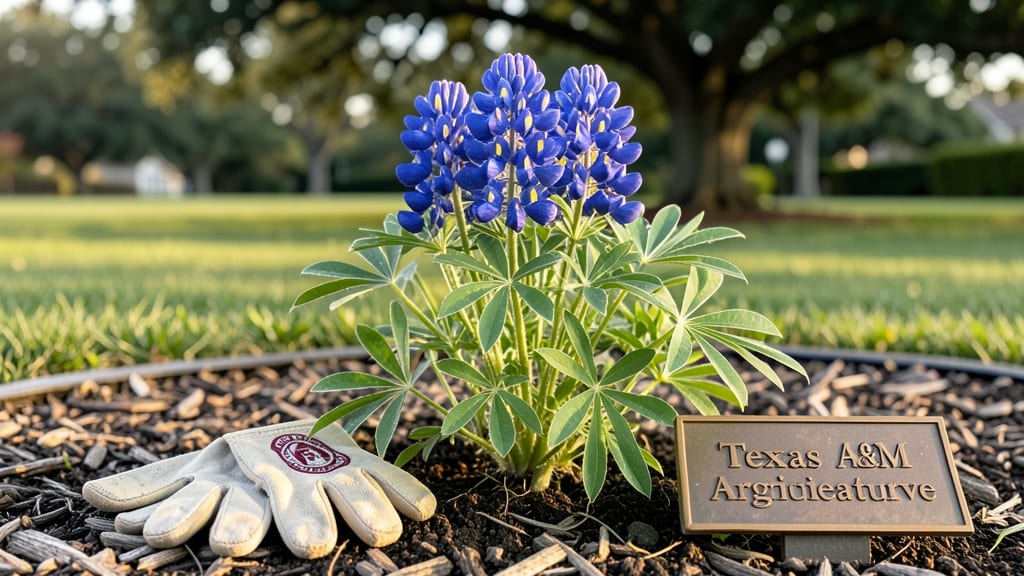
Texas A&M Agriculture gardening programs offer science-backed planting calendars designed specifically for Texas growing zones, helping gardeners time their vegetable, flower, and native plantings perfectly for the state's extreme heat, drought conditions, and varied soil types.
These planting guides aren't just random suggestions—they're based on decades of research from Texas A&M's AgriLife Extension, tracking local frost dates, heat thresholds, and soil variations across North, Central, and South Texas. 🌱 For example, while North Texas can handle cool-season crops like broccoli as early as September, South Texas gardeners should wait until November to avoid frost damage.
The program even accounts for microclimates, like urban heat islands that can push planting windows weeks earlier in cities compared to rural areas.
What sets Texas A&M's approach apart is their focus on drought-resistant species and native plants that thrive in Texas conditions. Their top recommendations—like pecan trees, black-eyed Susans, and okra—are chosen not just for yield but for their ability to withstand Texas' 100°F+ summers and low rainfall.
The Extension provides free zone maps and seasonal checklists that adjust yearly based on weather patterns, making it easier than ever to grow a successful Texas garden.
💡 In This Article
- How Texas A&M Planting Zones Determine Your Garden’s Success
- Texas A&M’s Top 10 Must-Plant Species by Season
How Texas A&m planting zones determine your garden’s success
Texas A&M's planting zones are based on historical frost data, average last frost dates, and heat accumulation units (growing degree days). The state is divided into 11 distinct zones that account for temperature variations of up to 30°F between North and South Texas.
For example, Zone 7 in the Panhandle has an average last frost date of March 15, while Zone 9 in South Texas rarely sees frost, allowing for year-round gardening in some microclimates.
This precision helps gardeners avoid planting heat-sensitive crops like lettuce too early in hotter zones, where soil temperatures can exceed 90°F by April.
The science behind these zones includes soil temperature thresholds—seeds like tomatoes won’t germinate below 60°F, while peppers need soil at 70°F+ to thrive.
Texas A&M’s data also factors in clay-heavy soils common in East Texas, which retain moisture but can bake hard during droughts, versus sandy soils in West Texas that drain quickly but require more frequent watering.
Their research shows that adjusting planting dates by just 2-4 weeks can mean the difference between a thriving garden and one struggling with bolting (premature flowering) or heat stress.
What most gardeners overlook is how urban heat islands shift these zones. Cities like Dallas and Houston can be 5-10°F warmer than surrounding rural areas, pushing planting windows 2-3 weeks earlier for heat-tolerant crops.
Texas A&M’s Extension Service uses real-time weather stations to refine these zones annually, ensuring their recommendations stay accurate. For instance, their 2023 adjustments moved the start of the tomato planting window from March 1 to February 15 in Zone 8 due to rising temperatures.
Another critical factor is heat tolerance thresholds for different crops. While okra can handle 105°F+ temperatures, basil wilts above 85°F without afternoon shade. Texas A&M’s zone maps include these specifics, helping gardeners pair crops with their microclimate.
For example, in Zone 9, gardeners might plant heat-loving sweet potatoes in May but delay green beans until September to avoid wilting. Their data shows that even a 5°F difference in average nighttime temperatures can affect flowering and fruiting cycles.
Soil type plays a surprising role too. In clay soils (common in East Texas), water evaporates 30% slower than in sandy soils, allowing for deeper root systems in drought-resistant plants like pecan trees. Meanwhile, caliche layers in West Texas—hardpan limestone—can restrict root growth unless amended with compost.
Texas A&M’s recommendations include soil-specific amendments, like adding gypsum to clay soils or organic matter to sandy areas, to improve water retention and drainage. Their research found that amended soils can increase yield by up to 40% in water-scarce conditions.
For practical application, Texas A&M’s zone maps include color-coded planting windows that show when to start seeds indoors, transplant outdoors, and harvest. For example, in Zone 7, cool-season crops like broccoli should be planted in September-October, while warm-season crops like peppers go in April-May.
Their free online tools let you input your ZIP code to get hyper-localized advice, including adjustments for elevated garden beds (which warm up 2-3 weeks faster than ground soil) or shade cloth use in extreme heat zones.
Here’s the takeaway: Texas A&M’s zones aren’t just about frost dates—they’re a dynamic system that combines climate science, soil physics, and plant physiology to give you the best shot at success.
By following their guidelines, you’re not just guessing when to plant; you’re aligning with decades of data on what actually grows best in your specific corner of Texas. 🌿