
Tools
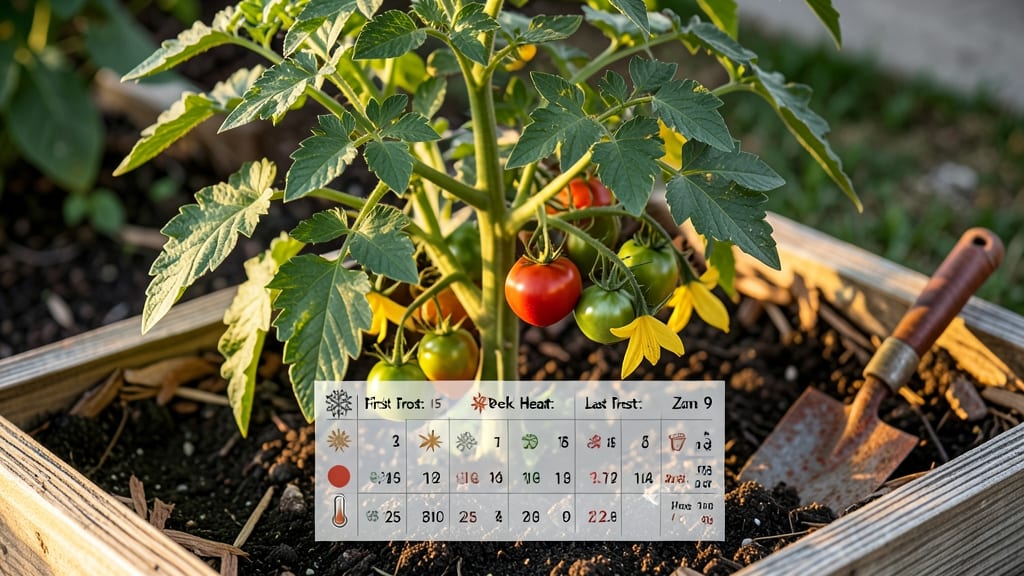
A garden calendar for Zone 9 organizes planting and harvest times by month to match the region's frost-free climate, ensuring warm-season vegetables like tomatoes and peppers thrive while frost-sensitive plants like basil wait until after the last frost in late February or March.
A Zone 9 garden calendar works because this region’s 10-14 month frost-free growing season lets you plant almost year-round, but timing still matters. 🌱 Unlike colder zones, you can grow heat-lovers like okra and sweet potatoes in winter, while spring brings ideal conditions for tomatoes and peppers.
The key is tracking your area’s specific frost dates—even within Zone 9, microclimates can shift planting windows by weeks.
For example, coastal areas might see earlier frost dates than inland spots, so local weather stations or experienced gardeners in your neighborhood become your best guides.
This calendar isn’t just about what to plant when—it’s about working with your climate’s natural rhythms to stretch your growing season and avoid common pitfalls like bolting lettuce or stunted peppers.
💡 In This Article
- Understanding Zone 9 Climate and Its Impact on Planting
- Monthly Planting and Harvest Schedule for Zone 9 Gardens
Understanding Zone 9 climate and its impact on planting
Zone 9's unique climate—with frost-free periods lasting 10-14 months—creates a gardening environment unlike any other. The USDA defines Zone 9 as areas where the coldest winter temperatures average between 20°F and 30°F, but in reality, many Zone 9 regions (especially coastal areas) rarely see frost at all.
This extended growing season means you can plant warm-season crops like tomatoes and peppers year-round, while cooler-season crops like broccoli and kale thrive in winter months when temperatures dip to 50-60°F.
What makes Zone 9 special is its ability to grow heat-loving plants like okra and sweet potatoes during winter months when other zones would still be buried under snow.
The key mechanism here is photoperiod insensitivity—many tropical plants in Zone 9 don't need long daylight hours to trigger flowering, unlike their northern counterparts. For example, sweet potatoes planted in December-January will grow vigorously when daytime temperatures stay between 70-80°F, while nighttime lows remain above 55°F. 🌱
However, this long growing season comes with challenges. Microclimates within Zone 9 can vary dramatically—coastal areas might have 50% more humidity than inland desert regions, affecting plant diseases and water needs. For instance, while inland Phoenix might see frost dates in December-January, coastal Santa Barbara could remain frost-free year-round.
This is why local frost data from 10+ years becomes your best friend when planning. Even within a single city, a north-facing slope might get frost when a south-facing garden doesn't.
The science behind Zone 9's success lies in its consistent temperature ranges. Most plants thrive when daytime highs are 75-85°F and nighttime lows stay above 60°F.
This stability allows for continuous harvests—you can plant lettuce in September, harvest it in November, then replant in December for a March harvest. The trade-off is that some cool-season crops may bolt (go to seed prematurely) if nighttime temperatures rise above 70°F during their growing period.
For gardeners new to Zone 9, the biggest adjustment is learning which crops to prioritize. While northern zones focus on cold-hardy crops like kale and carrots, Zone 9 gardeners should emphasize heat-tolerant varieties of everything—even greens.
For example, Swiss chard 'Bright Lights' can handle 95°F days, while regular lettuce will wilt. The same goes for tomatoes: heat-tolerant varieties like 'Solar Fire' continue producing fruit when temperatures exceed 90°F, while traditional varieties may stop setting fruit entirely. 🌞
One often-overlooked aspect is how Zone 9's climate affects pest cycles. Warmer winters mean fewer freeze-related pest die-offs, so you'll need to be more vigilant against aphids, whiteflies, and fungal diseases that thrive in 70-80°F conditions.
This is why many Zone 9 gardeners implement seasonal crop rotation and use reflective mulches to manage soil temperatures—keeping them between 65-75°F for optimal microbial activity and nutrient availability.