
Shrubs
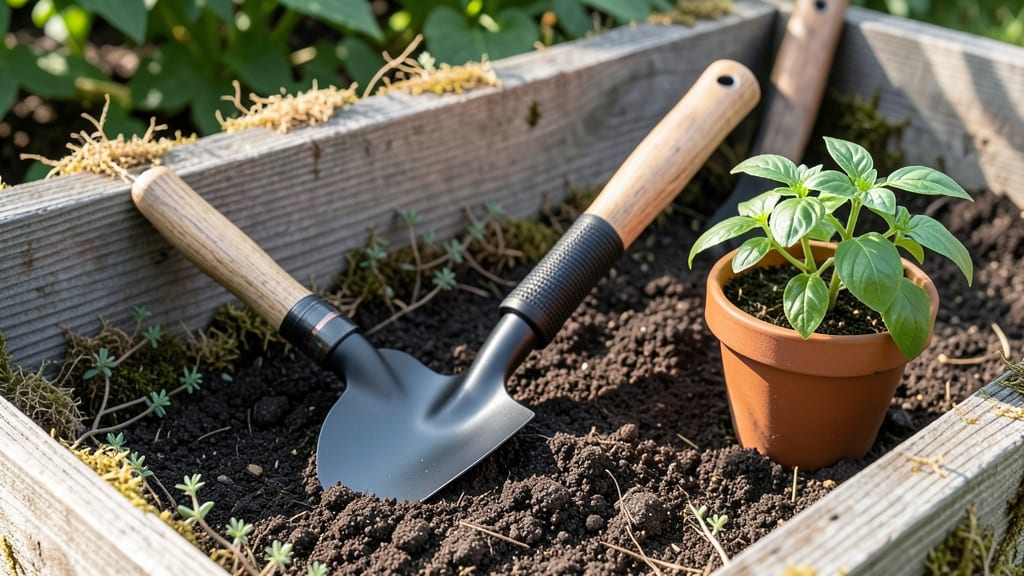
The most common name for a small shovel in gardening is a trowel, but tools like hand forks, dibbers, and mini spades also handle precision tasks—each has unique blade shapes, handle designs, and specialized functions for planting, weeding, or soil work.
A trowel is the go-to for delicate tasks like transplanting seedlings or potting plants, thanks to its narrow, pointed blade. 🌱 Hand forks, with their multi-tined design, excel at breaking up soil or weeding without disturbing nearby plants, while dibbers create precise holes for seeds.
The right tool makes all the difference—whether you're working in a raised bed or a small container garden.
For beginners, I recommend starting with a stainless steel trowel—it's versatile and durable. If you're dealing with rocky soil, a wooden-handled dibber adds leverage without fatigue.
The key is matching the tool to the job: a flat-edged trowel for edging, a pointed one for digging, and a fork for aerating soil.
💡 In This Article
- Trowel vs Hand Fork vs Dibber: Key Blade & Function Differences
- Best Small Gardening Shovels by Task: When to Use Each Tool
Trowel vs hand fork vs dibber: key blade & function differences
The trowel stands out with its narrow, angled blade—typically 3-6 inches long—that's designed for precision. This shape lets you dig small holes for seedlings or scrape soil from pots without disturbing roots, thanks to its 1/8-inch thickness that resists bending.
The blade's slight curve helps guide it into tight spaces, like between container plants. 🔥
Hand forks, with their 3-5 tines spaced 1/4 inch apart, serve a completely different purpose: breaking up compacted soil or extracting weeds. The tines are often 1/16-inch thick and slightly tapered, allowing them to penetrate soil without requiring brute force.
Unlike trowels, they lack a sharp edge—this prevents soil from sticking while aerating without tearing plant roots.
A dibber takes specialization further with its thin, pointed tip (often just 1/8-inch diameter) and 12-18-inch wooden handle. This design creates perfectly sized holes for seeds, with depth markings every 1/2 inch to ensure proper planting depth.
The long handle gives leverage for firm soil, while the blunt tip prevents crushing seeds. 🌱
Material matters too: stainless steel trowels resist rust but can be heavier, while aluminum stays lightweight for container gardens. Wooden-handled dibbers reduce hand fatigue during long planting sessions, though they may not handle wet soil as well as metal tools.
The blade angle also shifts function—a 45-degree angle works best for transplanting, while a 90-degree flat edge excels at edging flower beds.
For rocky soil, look for tools with reinforced edges—like a trowel with a 1/4-inch thick blade—that won't chip when hitting stones. The handle length affects leverage too: a 10-inch handle gives better control for potting, while a 14-inch handle helps with deeper soil work.
Each design reflects its primary job, from the dibber's precision to the fork's soil-aerating power.
Think of it like choosing between a scalpel, fork, and spoon—the right tool minimizes effort and maximizes results. A trowel's narrow blade handles delicate tasks like a surgeon's tool, while a fork's tines work like fingers to loosen soil without damage.
The dibber's precision marks make it ideal for seed planting, where accuracy matters most. 💫