
Tools
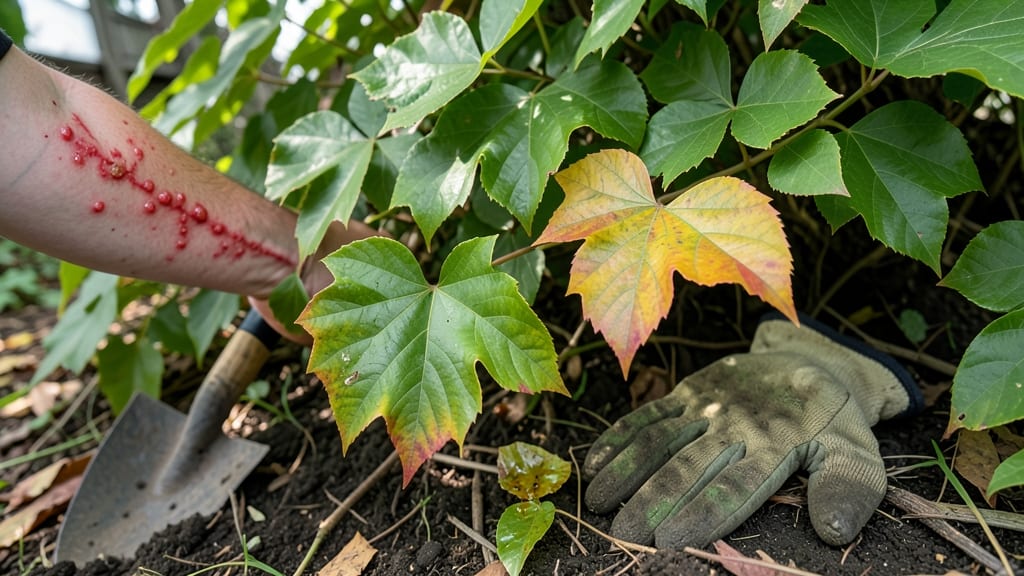
When you develop a skin rash after gardening, it's usually from plant irritants like poison ivy, sap, or soil allergens that cause redness, itching, or blistering. To get fast relief, rinse the affected area with cold water immediately, apply hydrocortisone cream, and resist scratching to avoid infection. Calamine lotion or oral antihistamines can also help ease symptoms quickly.
Gardening rashes often appear within hours of exposure because your skin reacts to oils in plants like poison ivy or even mild soil chemicals. 🌿 The key to fast relief is acting immediately—cold water helps remove lingering irritants, while hydrocortisone reduces inflammation.
For severe cases, I always keep antihistamines on hand to stop itching fast. What's surprising is how even "harmless" plants can trigger reactions, so protective gloves and long sleeves are my go-to prevention tools.
If the rash spreads or worsens after 48 hours, it's time to see a doctor—this could signal an infection or severe allergic reaction. Natural remedies like aloe vera or oatmeal baths work well for mild cases, but they won't replace medical treatment for poison ivy or chemical burns.
Always check your garden tools and soil for hidden irritants before starting your next project.
💡 In This Article
- Common Plant Triggers for Gardening Rashes
- Natural and Medical Rash Relief Options
Common plant triggers for gardening rashes
Gardening rashes often stem from three main categories of irritants: toxic plants, soil chemicals, and insect bites.
The most notorious offenders are poison ivy, poison oak, and poison sumac, which contain urushiol—a clear, oily resin that triggers allergic reactions in 85% of people. 🌿 When urushiol touches your skin, it binds to proteins within minutes, creating an immune response that causes redness, swelling, and blisters.
Even indirect exposure (like touching contaminated tools or pets) can lead to rashes appearing 12-48 hours later.
Non-plant irritants also play a significant role. Soil can harbor fungus spores (like Malassezia), fertilizer chemicals (such as ammonium nitrate), or even microscopic glass fragments from broken bottles—all of which can cause contact dermatitis.
Insect bites from mosquitoes, chiggers, or spider mites add another layer of irritation, often appearing as small red bumps that itch intensely.
The key difference between plant reactions and chemical irritants is that plant reactions (like urushiol) require prior sensitization, while chemical burns (like from strong fertilizers) cause immediate irritation without needing an immune response.
Latex-containing plants, such as milkweed or dandelions, can also trigger rashes in people with latex allergies.
These plants produce proteins similar to natural rubber latex, causing symptoms like hives or swelling in sensitive individuals. 🌸 The reaction typically occurs within minutes to hours of contact, making these plants particularly risky for gardeners who handle them frequently.
Unlike poison ivy, which requires direct skin contact, latex allergens can even cause reactions through inhalation of plant fibers.
Identifying the exact trigger is crucial for prevention. Poison ivy leaves follow the "leaves of three" rule, while poison oak has lobed leaves resembling oak trees. Sumac, on the other hand, has feather-like clusters of leaves and grows in toxic patches.
For soil-related rashes, examine your gardening tools—rusty or old tools can harbor hidden irritants like Staphylococcus bacteria, which worsen skin reactions when combined with cuts or abrasions.
What most people don't realize is that even "safe" plants can cause rashes if handled improperly. For example, foxglove contains cardiac glycosides that can irritate skin upon contact, while lily of the valley sap causes blistering in some individuals.
Always wear gloves when handling unfamiliar plants, and wash your hands thoroughly after gardening—even if you don't see visible dirt, microscopic irritants can linger on your skin for hours.
Pro tip: If you're unsure whether a plant is toxic, use the "back of the hand" test—apply a small amount of plant sap to the inner wrist and wait 24 hours.
This area is thinner than palms but less critical than facial skin. 🧪 This simple step can save you from a full-body reaction later.