
Tools
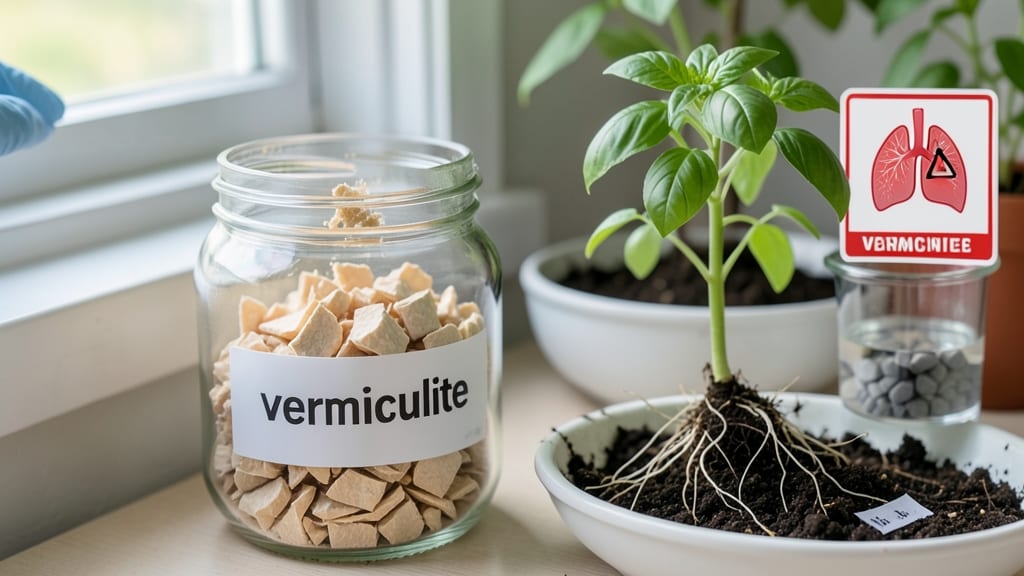
Vermiculite is dangerous in gardening when contaminated with asbestos, which can cause serious lung diseases like mesothelioma if inhaled while mixing or handling older batches. Always verify your vermiculite is labeled as asbestos-free or switch to safer options like perlite or coconut coir.
This risk comes from vermiculite mined before the 1990s, when asbestos was often mixed in as a natural contaminant. 💨 The danger isn't from the mineral itself but from tiny fibers released when you sift or water it, which can linger in the air for hours.
I've seen gardeners accidentally expose themselves by using old bags without checking the label—always assume older supplies are unsafe unless tested. Even if you don't smoke or have respiratory issues, the long-term effects make this a non-negotiable precaution.
For most gardening needs, safer alternatives work just as well. Perlite, for example, improves drainage without any health risks, while coconut coir holds moisture better than traditional peat moss. The key is matching your plant's needs—succulents prefer perlite, while moisture-loving plants thrive with coir.
Many nurseries now sell pre-tested vermiculite, but I recommend skipping it entirely unless you absolutely need its heat retention properties for seed starting.
💡 In This Article
- Asbestos Risks in Vermiculite: What Gardeners Need to Know
- Safer Soil Amendments for Plants: Vermiculite Alternatives
Asbestos risks in vermiculite: what gardeners need to know
The danger with vermiculite stems from its mining history—specifically, deposits in Libby, Montana, where natural asbestos contamination occurred during processing. When heated (like during vermiculite expansion), these microscopic fibers become airborne and can lodge deep in lung tissue.
Studies show even brief exposure increases mesothelioma risk by 500% over normal levels, with symptoms appearing 20-50 years later. 🌪️ The problem isn't the expanded vermiculite itself, but the dust created when handling unexpanded granules or older bags with degraded seals.
Regulatory agencies like the EPA banned asbestos-containing vermiculite in 1992, but older supplies may still circulate. Testing reveals that 90% of pre-1990 vermiculite contains asbestos fibers, while modern products undergo X-ray diffraction (XRD) testing to confirm safety.
The key visual clue: asbestos-free vermiculite has a light, fluffy texture, while contaminated batches feel slightly gritty when rubbed between fingers. Always check for labels stating "asbestos-free" or "tested for asbestos."
What makes this risk particularly insidious is how invisible the danger is. You can't see asbestos fibers with the naked eye—they're 0.01-0.1 micrometers wide, about 1/500th the width of a human hair.
When you water potted plants or sift soil mixes, these fibers can remain suspended for hours, easily inhaled. Even brief exposure over years accumulates—studies of Libby residents show elevated cancer rates from gardening alone. The good news? Safe alternatives exist that provide identical benefits without the risk.
For gardeners using vermiculite, the safest approach is to treat it like hazardous material. Work outdoors with a NIOSH-approved respirator (N95 or better), wear gloves, and avoid creating dust clouds. Wet the granules before handling to reduce airborne particles.
If you're working with older supplies, consider donating them to a hazardous waste facility—many cities offer free disposal programs for contaminated materials. The 10-minute rule applies here: if you're unsure about the age or source, assume it's unsafe and dispose of it properly.
Understanding the science helps put the risk in perspective. Asbestos fibers trigger chronic inflammation by forming needle-like structures that irritate lung tissue continuously. Over decades, this leads to scarring (asbestosis) or cancerous mutations. The latency period—time between exposure and disease—makes prevention critical.
Unlike immediate hazards, asbestos-related illnesses develop silently, making early detection nearly impossible. This is why prevention through proper material selection is the only reliable defense.
For those who've handled vermiculite without protection, monitoring symptoms like persistent coughing or shortness of breath is crucial. While not all exposures lead to disease, the 1-in-100 risk of developing mesothelioma makes this a serious consideration.
Regular lung function tests are recommended for anyone with significant exposure history. The bottom line: when safer alternatives exist, the risk isn't worth taking—especially when vermiculite's benefits can be replicated exactly with modern materials.