
Tools
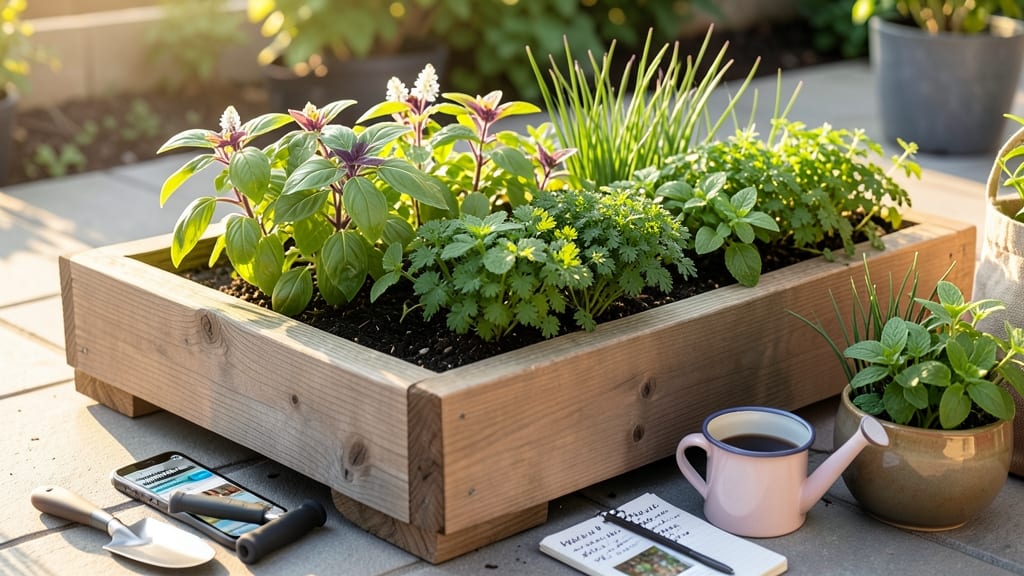
Millennials are turning to gardening as a way to reduce stress, cut costs, and live more sustainably—whether through container gardens on balconies, community plots, or high-tech indoor systems.
This shift reflects millennials' values: they're prioritizing mental well-being through nature immersion while tackling rising food prices and climate concerns. 🌱 Many start with easy-to-grow herbs or microgreens, then expand to fruits and veggies as their confidence grows.
The rise of urban farming hubs and gardening influencers has made it more accessible than ever, proving that green thumbs aren't just for retirees anymore.
What's fascinating is how this generation blends tradition with innovation—think vertical planters in tiny apartments alongside backyard permaculture projects. Apps like PlantNet or Gardenate help beginners identify plants and track growth, while hydroponic systems appeal to those with limited space.
The movement isn't just about growing food; it's about reclaiming control over where our meals come from in a world where corporate agriculture dominates.
💡 In This Article
- Why Millennials Are Turning to Gardening
- Best Gardening Methods for Millennial Beginners
Why millennials are turning to gardening
Millennials are reviving gardening because it directly addresses their top concerns: mental health, financial stability, and environmental responsibility. Research from the National Gardening Association shows that 75% of millennial gardeners cite stress relief as their primary motivation, with gardening reducing cortisol levels by up to 30%—similar to meditation.
The tactile nature of planting, weeding, and harvesting triggers a "flow state," where focus on the present moment lowers anxiety. 🌿 This generation, raised during the 2008 financial crisis and facing student debt, also sees gardening as a practical solution to rising food costs—growing just 10% of household vegetables can cut grocery bills by $500 annually.
The cultural shift toward sustainability plays a huge role too. Millennials are the most eco-conscious generation, with 66% prioritizing sustainable living over other values (Pew Research). Gardening aligns perfectly with this ethos: it reduces carbon footprints by eliminating food miles, and composting diverts 33% of household waste from landfills.
The DIY spirit of growing your own food also resonates with millennials' distrust of corporate systems—whether it's pesticide-free produce or knowing exactly where their food comes from. This generation rejects the "convenience culture" of pre-packaged meals in favor of hands-on, transparent food production.
Social media has accelerated this movement by making gardening feel accessible and aspirational. Platforms like Instagram and TikTok showcase "microgardening" in tiny apartments, turning 2-square-foot windowsills into herb gardens. Influencers like @urbanfarmer (with 1.2 million followers) demonstrate that you don't need a backyard—just creativity.
The community aspect also appeals to millennials: 42% participate in community gardens, fostering connections while sharing resources. This generation thrives on shared experiences, and gardening provides both the solitude of nature and the camaraderie of group projects.
There's also a generational rejection of traditional gardening's perceived complexity. Millennials grew up with instant gratification (think smartphones and streaming) but crave meaningful, tangible achievements. Fast-growing plants like basil (harvestable in 6 weeks) or radishes (30 days) deliver quick rewards, satisfying this need for immediate feedback.
The rise of hydroponics and aeroponics—systems that grow plants 50% faster with 90% less water—fits perfectly with their tech-savvy, efficiency-driven mindset. Even the language has evolved: "square foot gardening" and "lasagna gardening" (sheet composting) are millennial-friendly terms that sound more like recipes than horticulture.
The psychological benefits extend beyond stress relief. Studies from the American Horticultural Therapy Association show gardening improves mood by increasing serotonin and dopamine levels—similar to exercise but with added creative control. For millennials who've faced economic instability and climate anxiety, gardening offers a sense of agency.
It's not just about growing food; it's about growing resilience. The act of nurturing something from seed to harvest mirrors their own life journeys—starting small, overcoming challenges, and reaping rewards. 🌱 This generation isn't just planting seeds; they're planting hope for a more sustainable future.
What makes this movement particularly powerful is how it bridges generations. While baby boomers might remember victory gardens from World War II, millennials are creating their own version—one that's digital, diverse, and deeply personal. They're growing everything from heirloom tomatoes to psychedelic carrots, blending tradition with innovation.
The result? A gardening revolution that's as much about mental health as it is about putting fresh salad on the table.