
Tools
Seattle’s secret gardens offer serene botanical escapes like the Washington Park Arboretum’s quiet trails, the Volunteer Park Conservatory’s rare orchid displays, and the Seattle Japanese Garden’s moon-viewing pavilion, where you’ll find curated plant collections away from crowded tourist paths. These hidden spots showcase Pacific Northwest flora in peaceful settings.
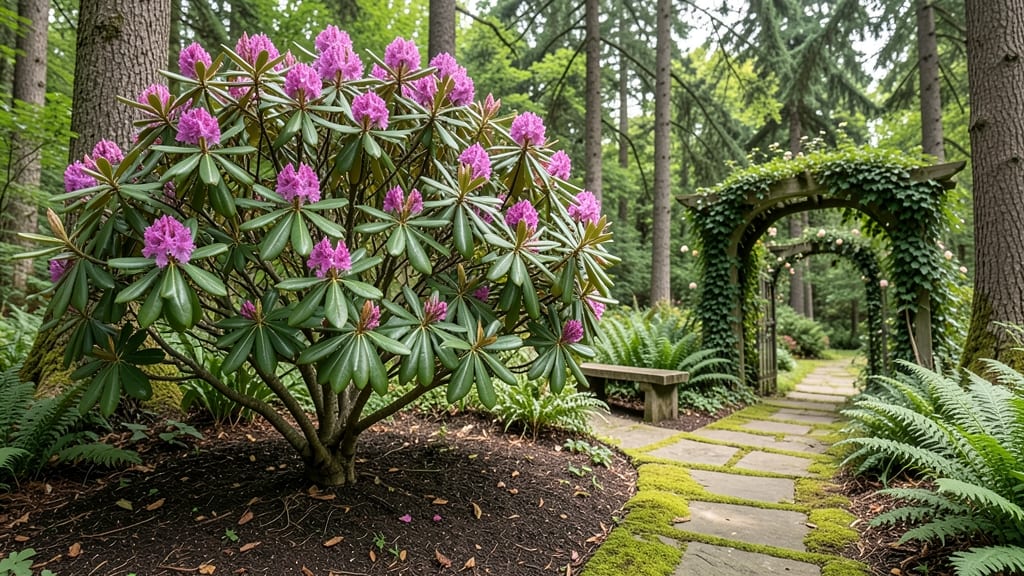
Seattle’s secret gardens thrive because of the city’s unique climate—mild winters and abundant rainfall create perfect conditions for lush plant growth. 🌿 These hidden green spaces often feature native species like ferns and rhododendrons that flourish in the Pacific Northwest’s damp, cool air.
The microclimates in each garden allow for diverse plant life, from delicate orchids to hardy evergreens, making every visit a discovery of new botanical wonders.
For the best experience, time your visit right: spring brings vibrant blooms, while autumn offers stunning foliage.
Many of these gardens have lesser-known entry points that avoid crowds, and some even offer photography-friendly spots. 📸 Pro tip—check for volunteer-led plant walks or guided tours to learn fascinating details about the flora from experts who know these spaces inside out.
💡 In This Article
- Why Seattle’s Hidden Gardens Thrive in Pacific Northwest Climate
- Best Times and Tips for Visiting Seattle’s Secret Plant Collections
Why Seattle’s hidden gardens thrive in Pacific Northwest climate
The Pacific Northwest’s climate—characterized by mild winters (30-45°F), high annual rainfall (35-40 inches), and cool, damp summers (60-75°F)—creates an ideal environment for Seattle’s secret gardens to flourish. This region’s marine influence from the Pacific Ocean moderates temperatures, preventing extreme heat or cold that could stress delicate plants.
The consistent moisture supports lush foliage year-round, while the acidic, well-drained soils—common in the area—favor native flora like sword ferns, rhododendrons, and Douglas firs, which dominate these hidden green spaces. 🌿
Microclimates play a crucial role in sustaining biodiversity within these gardens. For example, the Washington Park Arboretum’s shaded trails maintain cooler, more humid conditions perfect for ferns and mosses, while sunlit areas support hardier species like Pacific dogwoods.
The Volunteer Park Conservatory’s glasshouse orchids thrive in controlled humidity levels (60-70%), mimicking their tropical origins. Even the Seattle Japanese Garden’s moon-viewing pavilion benefits from its elevated position, which reduces frost accumulation during winter—critical for preserving delicate maple trees and azaleas.
Native plants like salal berries and vine maples have evolved to thrive in these conditions, forming dense understories that retain moisture and suppress weeds. Their deep root systems also stabilize soil, preventing erosion—a common issue in Seattle’s hilly terrain.
The gardens’ designers leverage these natural advantages by planting species in clusters that complement their ecological needs, creating self-sustaining ecosystems. For instance, rhododendrons (which prefer acidic soil) are often paired with heathers, while evergreen shrubs provide year-round structure. ✨
Seasonal shifts dramatically alter the gardens’ appearance. Spring brings vibrant blooms like western trilliums and Pacific rhododendrons, while autumn transforms the foliage into fiery hues of red and gold from vine maples and dogwoods.
Even winter offers beauty, with evergreen conifers and bare-branched trees creating striking silhouettes against the gray skies. These seasonal changes attract pollinators like bees and butterflies, further enriching the gardens’ biodiversity. 💫
One often-overlooked factor is the role of urban heat islands in Seattle’s gardens. While downtown areas can experience temperatures 5-10°F warmer than surrounding green spaces, the secret gardens benefit from their proximity to water bodies (like the Ship Canal) or forested areas, which act as natural coolants.
This creates pockets of cooler air where heat-sensitive plants, such as orchids and camellias, can thrive. The result? A harmonious balance where both native and cultivated species coexist without competition for resources.
For gardeners or visitors curious about these ecosystems, observing the plants’ adaptations offers a deeper appreciation. For example, sword ferns grow in dense mats to retain moisture, while Douglas firs dominate the canopy, filtering sunlight for understory plants.
These interactions create a layered, dynamic environment that’s both scientifically fascinating and visually stunning. 🌟