
Light Requirements
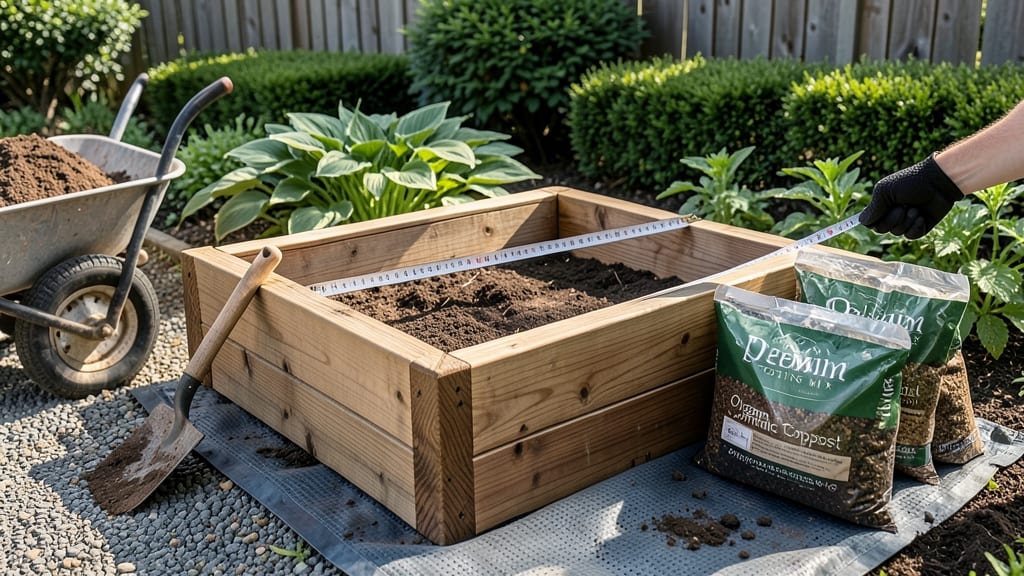
For a 4 x 8 raised garden bed, you'll need 1.33 cubic feet of soil per inch of depth—so 6.65 cubic feet (~0.5 cubic yards) for a 5-inch deep bed. Root crops need deeper beds (12+ inches), while shallow plants thrive in 4-6 inches. Always buy 10-20% extra to account for settling.
This calculation comes from simple geometry—multiply the bed's length (48 inches), width (96 inches), and depth (in inches) to get total cubic inches, then divide by 1,728 (the number of cubic inches in a cubic foot). 🌱 For instance, a 6-inch bed requires about 10 cubic feet of soil before accounting for compaction.
I always recommend testing your soil's drainage first, especially if you're in a clay-heavy area, as poor drainage can suffocate plant roots regardless of depth.
Different plants have different needs beyond just depth. Root vegetables like carrots or potatoes need loose, well-draining soil with at least 12 inches of depth to develop properly, while leafy greens like lettuce can thrive in just 4-6 inches.
The soil mix matters just as much as the volume—too much clay makes it hard for roots to penetrate, while pure sand drains too quickly. A balanced blend of topsoil, compost, and perlite works best for most vegetables.
💡 In This Article
- Calculating Soil Volume for Different Raised Bed Depths
- Best Soil Mixes for 4x8 Raised Garden Beds by Plant Type
Calculating soil volume for different raised bed depths
The volume of soil needed for your 4 x 8 raised bed starts with basic geometry: multiply the length (48 inches), width (96 inches), and depth (in inches) to get cubic inches. Divide by 1,728 (cubic inches in a cubic foot) to convert.
For example, a 6-inch bed requires 10 cubic feet of soil before accounting for settling. This formula works because soil volume is directly proportional to depth—double the depth, and you double the soil needed.
Depth matters more than you might think. A 5-inch bed gives you 6.65 cubic feet of soil, while a 12-inch bed jumps to 16 cubic feet.
Root crops like potatoes or carrots need that extra depth (12+ inches) because their roots grow downward, while shallow plants like lettuce or herbs thrive in just 4-6 inches.
The deeper the bed, the more you’ll need to account for compaction—soil settles over time, especially when watered or walked on.
Soil weight is another critical factor. A cubic foot of garden soil typically weighs 40-60 pounds, depending on moisture and organic content. This means a 6-inch bed filled with soil could weigh 400-600 pounds—enough to stress untreated wood frames if not reinforced.
Heavy plants like tomatoes or cucumbers also need deeper, nutrient-rich soil to support their growth, while lighter plants like radishes or green onions can manage in shallower layers.
Compaction reduces usable space. When soil settles, it can lose 10-20% of its volume over time, especially in clay-heavy soils. To avoid running short, always buy 10-20% extra soil than your calculations suggest.
For instance, if your math says 8 cubic feet for a 5-inch bed, round up to 9-10 cubic feet to ensure you have enough after settling. This extra buffer also helps if you plan to amend the soil with compost or perlite.
Drainage plays a hidden role in depth calculations. If your bed sits in an area with poor drainage, you may need to add 1-2 extra inches of depth to prevent waterlogging. For example, a 6-inch bed in a clay-heavy zone might need 8 inches of soil to ensure proper drainage.
Always test your soil’s drainage by digging a hole, filling it with water, and timing how long it takes to drain—if it’s slower than 4 hours, you’ll need adjustments.
Consider the weight of your soil mix too. A blend with 30% compost will weigh less than pure topsoil but may settle more over time. For heavy plants, aim for a mix of 60% topsoil, 30% compost, and 10% perlite to balance weight, drainage, and nutrient density.
This approach ensures your bed stays stable while giving roots the space they need to thrive.