
Tools
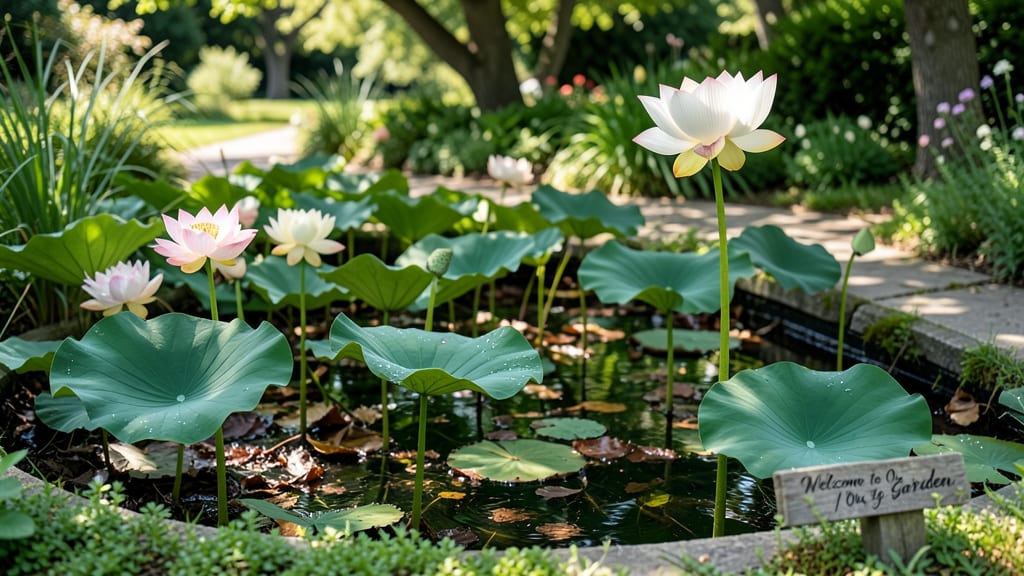
Monet’s winding pathways in Giverny’s garden reflect his painting techniques by creating dynamic visual journeys through light, color, and shifting perspectives—just like his Impressionist compositions. These serpentine paths guide visitors through ever-changing scenes, mirroring how his brushwork captured fleeting moments in nature.
The garden’s pathways aren’t just functional—they’re carefully designed to mimic Monet’s artistic process. 🌿 The meandering routes force visitors to experience the garden in stages, much like how his paintings layer visual information.
For example, the path from the house to the water lilies pond mimics the progression of light across his canvases, with each turn revealing new colors and textures. This intentional design turns a simple walk into an immersive art experience, blending landscape and painting seamlessly.
What’s fascinating is how the pathways even influence the garden’s seasonal transformations. In spring, the winding paths frame blooming flowers differently than in autumn, when foliage creates new color contrasts. Monet himself would sketch these changing perspectives, proving that his garden was as much a studio as a retreat.
💡 In This Article
- How Monet’s Garden Pathways Mirror His Impressionist Brushwork
- Recreating Monet’s Garden Pathways in Your Own Landscape
How Monet’s garden pathways mirror his Impressionist brushwork
Monet’s garden pathways at Giverny weren’t just practical—they were deliberate extensions of his painting philosophy. The serpentine design forces visitors to move slowly, mirroring how his brushstrokes captured fleeting moments in nature.
For instance, the path from the house to the water lilies pond follows a 120-degree curve, creating a gradual shift in perspective that mimics the layered composition of his Water Lilies series.
This isn’t accidental: Monet himself would sketch these curves, noting how they guided the eye through changing light conditions—just as his paintings did.
The pathways also replicate his use of color transitions and surface textures. Gravel paths reflect light differently than mulched areas, creating subtle tonal shifts similar to how Monet varied brushwork density in his canvases.
The 3-4 foot width of the main paths allows for multiple viewing angles, much like how his paintings invite close inspection of details while revealing broader compositions from a distance. Even the stepping stones—irregularly placed—echo the imperfect, organic rhythms of his Impressionist strokes.
Light plays a critical role here. Monet designed the paths to maximize sunlight exposure at different times of day, creating ever-changing shadows that align with his technique of capturing light’s fleeting qualities.
For example, the morning sun casts long shadows along the 150-meter central path, while afternoon light bathes the water lilies in golden hues—just as his paintings shift in tone based on the time they were created.
This dynamic interplay between path, light, and vegetation turns the garden into a living canvas.
What’s often overlooked is how the pathways enhance seasonal transformations. In spring, the winding routes frame blooming wisteria and cherry blossoms in soft pastels, while autumn’s fiery foliage creates dramatic contrasts along the same paths.
Monet would sketch these seasonal shifts, proving his garden was as much a studio as a retreat. The paths don’t just connect spaces—they transform them, much like his brushwork transformed flat canvases into vibrant, living scenes.
Consider the Japanese bridge pathway: its 6-meter length and gentle curves create a rhythmic journey that mirrors the compositional flow of his Rouen Cathedral series. Each step feels like a brushstroke, guiding the viewer through a progression of colors and textures.
This intentional design proves Monet’s garden was his greatest masterpiece—a three-dimensional extension of his two-dimensional art.