
Lawn
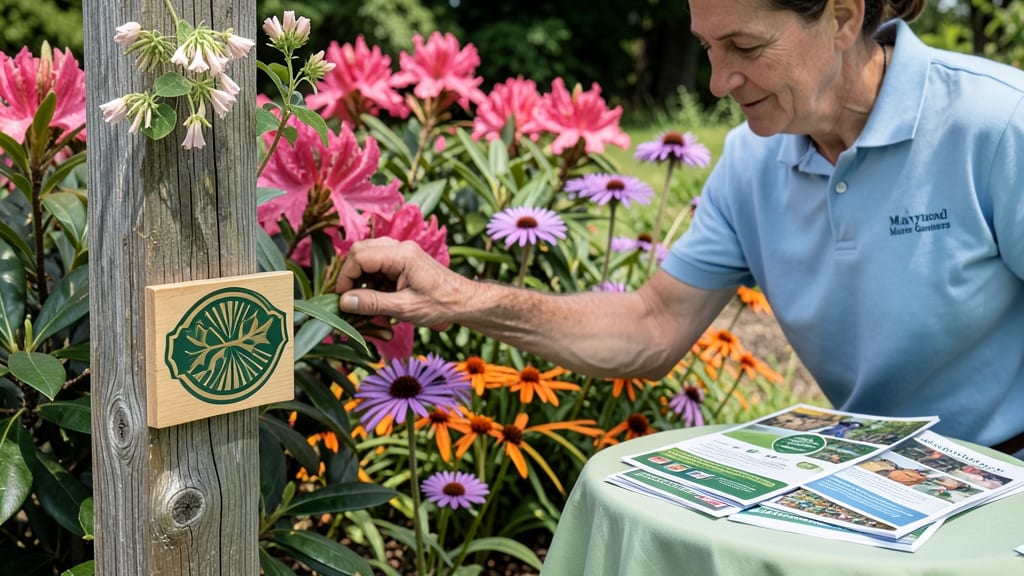
Maryland Master Gardeners are trained volunteers who provide science-based gardening expertise, helping local communities improve soil health, pest control, and sustainable landscaping through free workshops, diagnostic services, and hands-on garden projects.
These volunteers undergo 40+ hours of horticulture training through the University of Maryland Extension, covering everything from plant diseases to organic pest management. 🌱 Their expertise isn't just theoretical—they apply real-world solutions to common garden challenges, whether it's reviving a struggling lawn or identifying invasive species.
What sets them apart is their commitment to evidence-based practices, ensuring recommendations align with the latest research while being practical for home gardeners. Many communities rely on them during peak gardening seasons for everything from soil testing to seasonal plant care advice.
Beyond technical help, Maryland Master Gardeners foster community through free public workshops and garden clinics where you can bring plant samples for diagnosis. Their hands-on approach extends to school gardens and urban green spaces, making sustainable landscaping accessible to everyone.
The best part? Their services are completely free, funded through partnerships and volunteer efforts—so you're getting university-level expertise without the cost.
💡 In This Article
- What Training and Expertise Define Maryland Master Gardeners
- How to Access Free Maryland Master Gardener Services and Resources
What training and expertise define Maryland Master gardeners
The Maryland Master Gardener program is a collaboration between dedicated volunteers and the University of Maryland Extension, a division of the College of Agriculture and Natural Resources. Volunteers complete an intensive 40-60 hour training program covering 12 core topics, including plant pathology, entomology, soil science, and sustainable landscaping.
This curriculum goes far beyond basic gardening knowledge, diving into the science behind plant health—like how fungal diseases spread through soil moisture or how beneficial insects combat pests naturally.
The certification process begins with a rigorous final exam testing both theoretical knowledge and practical applications.
For example, trainees must identify 50+ common plant diseases and 30+ insect pests from samples, demonstrating the ability to diagnose issues accurately. 🌱 What makes this program unique is its emphasis on evidence-based horticulture—volunteers learn to apply university research directly to home gardens, ensuring recommendations are both effective and sustainable.
Many graduates continue their education through annual workshops on emerging topics like climate-adaptive gardening or integrated pest management.
This training translates into real-world expertise that home gardeners can trust. When you bring a wilting plant to a Master Gardener clinic, they'll examine factors like light exposure, watering patterns, and soil composition before recommending solutions.
For instance, they might diagnose a yellowing leaf issue as either iron deficiency (common in alkaline Maryland soils) or overwatering stress
The program also trains volunteers in public education techniques, ensuring they can explain complex concepts clearly. Whether teaching children about pollinators or helping seniors set up accessible garden beds, Master Gardeners adapt their communication style to the audience. This dual focus on technical expertise and outreach creates a unique resource for communities where gardening knowledge might otherwise be inaccessible. What most people don't realize is how this training connects to broader agricultural systems. Many volunteers work with local farmers to address shared challenges like invasive species or water conservation. For example, they've helped develop pollinator-friendly landscapes that benefit both home gardens and commercial crops. This interconnected approach ensures that the expertise shared with home gardeners contributes to larger environmental goals. After certification, Master Gardeners maintain their knowledge through annual continuing education requirements, including workshops on emerging topics like drought-resistant plants or urban forestry. This commitment to staying current means the advice you receive is always grounded in the latest research—whether it's about soil microbes or climate-smart gardening practices. 🌿 The result is a network of volunteers who can tackle everything from basic pruning questions to complex landscape redesigns with equal confidence.