
Pruning
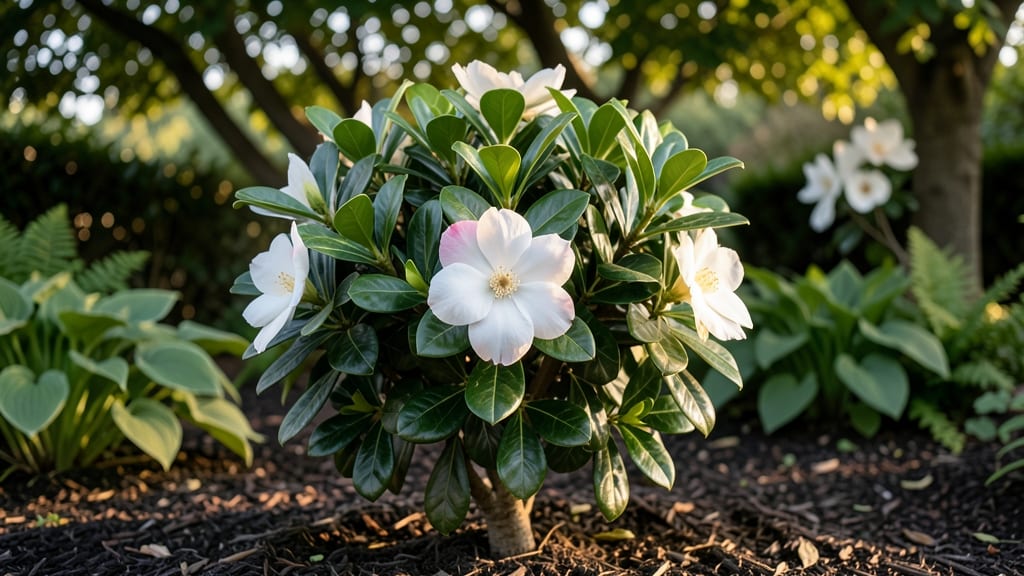
A gardenia bush can reach heights of 4 to 6 feet—or stay compact at just 1 to 3 feet—depending on the variety and how you prune it.
If you’ve ever dreamed of fragrant, snow-white blooms but worried your gardenia 🌸 might outgrow its space, you’re not alone. Many gardeners struggle to balance growth and pruning for the perfect height. The right approach can transform your gardenia from a wild, leggy shrub into a lush, blooming centerpiece.
Understanding your gardenia’s mature size helps you plan spacing, container choices, and pruning schedules. Some varieties grow fast—up to 12 inches per year—while others stay slower and more manageable. Below, I’ll break down how to control height naturally, when to prune for bushier blooms, and how sunlight affects growth.
You’ll also discover 5 easy tips to keep your gardenia at your ideal height without sacrificing those intoxicating flowers. Whether you’re working with a dwarf variety or a towering standard, these strategies will help you shape your gardenia into the perfect focal point.

How tall does a gardenia bush grow? Mature height by variety & growth rate
If you're planning your garden layout or container arrangements, knowing your gardenia bush height is key to creating a harmonious space. These fragrant beauties come in a range of sizes, from compact dwarf varieties to towering shrubs.
The mature height of your gardenia depends entirely on its variety, with some reaching as tall as 15 feet while others stay under 3 feet. Understanding these differences helps you choose the perfect plant for your space and sunlight conditions.
Most gardeners focus on Gardenia jasminoides, the classic variety, which typically grows between 3 and 6 feet tall. However, other species like Gardenia augusta can climb much higher, especially in ideal conditions.
The growth rate also varies, with most varieties adding 6 to 12 inches per year. This gradual growth means you’ll need patience, but it also makes pruning and shaping easier over time.
Sunlight exposure plays a crucial role in determining height. Gardenias grown in full sun tend to grow taller and more vigorously, while those in partial shade may stay shorter and bushier. In warmer climates like USDA Zones 8-11, gardenias thrive and reach their full height potential. If you're in cooler zones, expect slightly slower growth and potentially shorter mature heights.
Before planting, check your gardenia’s variety description—this tells you whether it’s a dwarf, semi-dwarf, or standard variety. Dwarf gardenias, like 'Radicans', max out at 3 feet, making them perfect for containers or small gardens.
Standard varieties, such as 'Kleim’s Hardy', can easily reach 6 to 10 feet and need more space to spread their roots and branches.
For gardeners in containers, height control becomes even easier. Dwarf varieties like 'Radicans' thrive in pots and rarely exceed 3 feet, while standard varieties may need larger containers to accommodate their root systems.
If you’re growing a taller gardenia in a pot, choose one with a wide base to support its weight and prevent tipping, especially in windy conditions.
Climate also influences growth rate and height. In humid, tropical climates, gardenias grow faster and taller, sometimes reaching their mature height in just 3 to 4 years. In cooler or drier climates, growth slows, and you might see only 4 to 6 inches of growth per year.
If you’re in a cooler zone, consider planting near a south-facing wall to provide extra warmth and encourage faster growth.
Pruning plays a major role in managing height, especially for taller varieties. Regular spring pruning helps maintain your desired shape and encourages bushier growth.
For example, if your Gardenia augusta starts to outgrow its space, prune back one-third of the height in early spring to control its size while still promoting blooms. Always use sterilized pruners to avoid spreading disease.
If you’re unsure about your gardenia’s potential height, start with a dwarf variety and monitor its growth. These plants are forgiving and adapt well to pruning, so you can always trim them back if they get too tall.
With the right variety and care, your gardenia will not only fit beautifully in your garden but also reward you with scented, snow-white blooms for years to come.
🌸
When and how to prune gardenia bushes for optimal height & blooms
Pruning your gardenia bush isn’t just about controlling height—it’s about encouraging bushier growth and more fragrant blooms. The key is timing and technique, as gardenias respond best to gentle pruning during their active growing season.
Whether you’re dealing with a first-year sapling or a mature shrub, the right approach keeps your plant healthy and vibrant.
Most gardeners make the mistake of pruning at the wrong time or too aggressively, which can lead to fewer flowers or even stunted growth. Gardenias bloom on old wood, meaning last year’s growth produces this year’s flowers.
Heavy pruning can remove next year’s blooms entirely. Understanding this is crucial for maintaining those iconic white, intoxicating flowers.
⚠️ Critical Pruning Mistake Alert!
Never prune your gardenia bush after mid-summer—this removes flower buds for next season. Also, avoid cutting more than 1/3 of the plant at once, as this stresses the shrub and reduces blooming potential.
For first-year plants, focus on light pruning to shape the bush and encourage branching. Use your fingers to pinch back new growth when the plant reaches 6-8 inches tall.
This simple technique stimulates lateral growth, creating a fuller, more compact shape. Mature plants, on the other hand, benefit from selective pruning to remove dead or overcrowded branches.
Your pruning toolkit should include sharp bypass pruners for clean cuts and sterilized shears to prevent disease. Always disinfect tools with rubbing alcohol between cuts, especially if your gardenia shows signs of leaf spot or other fungal issues. Avoid using dull tools, as they can tear branches and invite pests.
Spring is the best time to prune gardenias, right after the last frost but before new growth begins. This gives your plant time to recover and set flower buds for the season.
In fall, limit pruning to removing dead or diseased branches—never prune for shape in late summer or fall, as this disrupts next year’s blooms.
To encourage bushier growth, practice thinning cuts—remove entire branches at their base rather than trimming back to a bud. This opens up the center of the plant for better air circulation and sunlight penetration, both of which boost flower production.
For dwarf varieties, keep pruning minimal to maintain their compact size.
With the right timing and technique, your gardenia bush will reward you with lush foliage and abundant blooms year after year. Start with small adjustments and observe how your plant responds—gardenia care is all about balance. 🌸