
Flowers
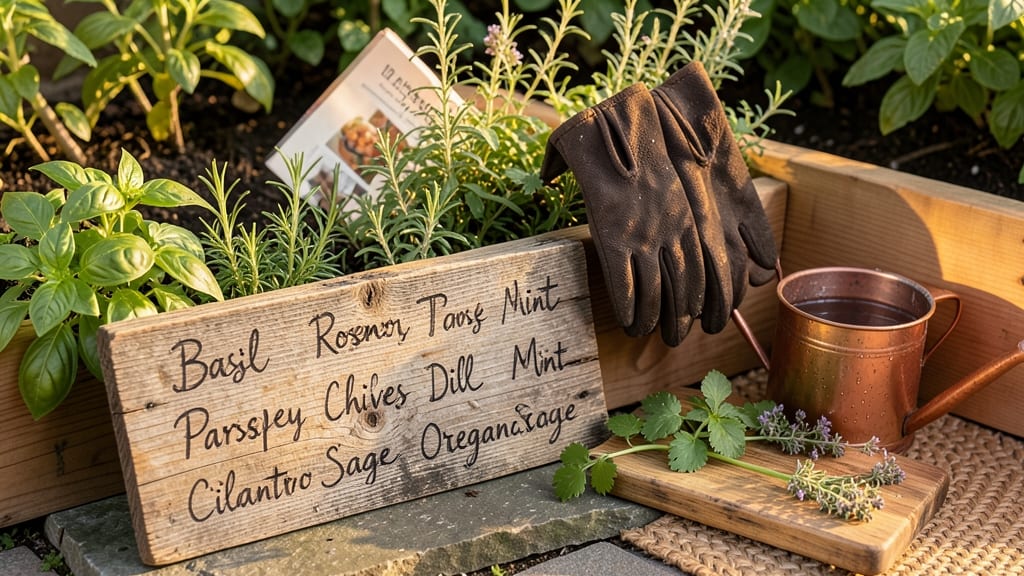
Many gardeners believe that certain edible herbs like parsley, chives, or mint are safe for pets, but some—such as chives, garlic, and onion—can be highly toxic, causing vomiting, anemia, or even organ damage in cats and dogs. Always research before planting near pets or offering as treats.
While parsley and mint are often considered pet-friendly, their toxicity depends on the herb's specific compounds. 🌿 The allium family (onions, garlic, chives) contains thiosulfates that destroy red blood cells, while parsley stems are safer than leaves.
Cats are far more sensitive than dogs, with symptoms appearing 24-48 hours after ingestion. Even small amounts can cause serious health issues, so always verify with a vet before introducing new plants to your garden or diet.
For pet owners, the key is choosing herbs from the Lamiaceae family like basil or catnip, which are non-toxic and even beneficial. 🐾 These alternatives provide similar flavors for cooking while keeping your furry friends safe.
Growing cat grass or wheatgrass in separate containers can also satisfy pets' natural grazing instincts without risk.
💡 In This Article
- Toxic Herb vs. Pet-Safe Herb: Key Differences
- Safe Pet-Friendly Herb Alternatives for Gardens
Toxic herb vs. pet-safe herb: key differences
The toxicity of herbs for pets comes down to their chemical composition. Herbs like garlic, onions, and chives contain thiosulfates and organosulfur compounds that trigger oxidative damage in red blood cells.
These compounds break down hemoglobin, causing hemolytic anemia—a condition where red blood cells rupture and release free hemoglobin into the bloodstream. Cats are particularly vulnerable because their red blood cells lack an enzyme that helps neutralize these toxins.
Even small amounts can be dangerous: 1/2 teaspoon of onion powder can cause toxicity in cats, while dogs may need to ingest 15-30 grams of fresh onion to show symptoms.
The delayed onset (24-48 hours) is due to how these compounds are metabolized in the liver. 🌱 In contrast, herbs like basil, catnip, or parsley stems contain no such compounds. Basil, for example, contains eugenol, which has mild antibacterial properties but is harmless to pets in culinary amounts.
Dosage matters too—what’s safe for humans isn’t always safe for pets. A single parsley leaf won’t harm a dog, but large quantities of parsley leaves (which contain psoralens) can cause photosensitivity in some animals.
Always opt for pet-safe alternatives like cat grass (wheatgrass) or basil, which are rich in fiber and vitamins without toxicity risks.
Another critical factor is how pets interact with plants. Cats groom themselves, so herbs with strong oils (like mint) can irritate their digestive systems even if ingested in tiny amounts.
Dogs, with their curious nature, are more likely to chew on plants, increasing exposure risks. 🐶 The key is choosing herbs from the Lamiaceae family (like oregano or thyme) or Poaceae family (like cat grass), which are non-toxic and even beneficial.
For gardeners, this means separating toxic herbs from pet-accessible areas. If you love cooking with garlic or chives, grow them in elevated planters or enclosed containers. Even a small accidental nibble can lead to gastrointestinal upset, lethargy, or weakness—symptoms that can escalate quickly in sensitive pets.
When in doubt, consult a vet or use the ASPCA’s toxic plant list as a reference. Many pet-safe herbs, like catnip or wheatgrass, can even be grown indoors for pets to enjoy safely.
The goal is to create a garden that’s as beautiful for your pets as it is for you.