
Light Requirements
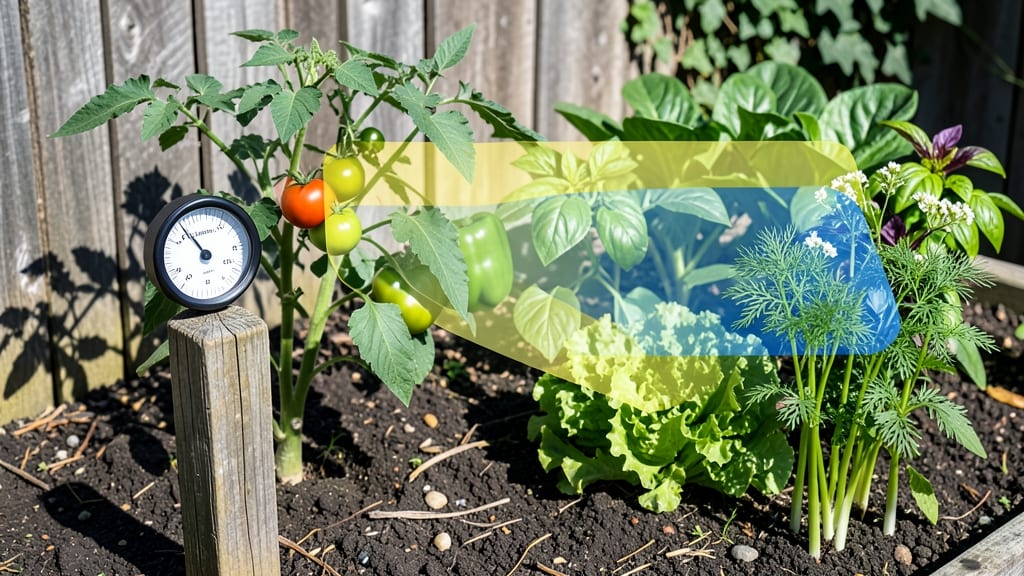
A vegetable garden needs 6 to 8 hours of sunlight daily to thrive, but the exact amount depends on what you’re growing and where you live. 🥬
Picture this: you’ve spent weeks preparing your soil, planting seeds, and nurturing your seedlings—only to watch them wilt or bolt too soon. That’s often a sign you’re not giving them enough light, or maybe too much.
The right balance isn’t just about hours; it’s about matching your plants to your garden’s natural light patterns.
In USDA Zone 6a, like many spring gardens, sunlight shifts with the seasons. Early spring might offer only 4 to 5 hours of direct light, while summer can push past 10 hours.
Knowing how to adjust—whether by choosing shade-tolerant crops or strategically placing taller plants—can mean the difference between a harvest and a disappointment.
Below, I’ll break down the sunlight needs for your favorite vegetables, how to spot when your garden is getting it wrong, and practical tips to maximize every ray—no matter your space or zone.


Sunlight requirements by vegetable type: full sun vs. partial shade needs
Sunlight is the lifeblood of your vegetable garden, but not all plants crave the same amount. Full sun lovers like tomatoes and peppers thrive with 6-8+ hours daily, while partial shade plants such as lettuce prefer 3-6 hours.
Understanding these needs helps you design a garden that maximizes growth and minimizes stress on your plants. Let’s break down the sunlight spectrum and match it to your garden layout for optimal yields.
Your garden’s sunlight exposure depends on location, time of year, and surrounding structures. South-facing plots typically get the most sun, while north-facing areas may struggle. Even a 5-foot-tall fence can cast enough shade to reduce sunlight by 30-50% during peak hours.
Use this knowledge to strategically place your sun-hungry crops where they’ll shine—and tuck shade-tolerant varieties in protected spots.
Here’s a quick reference for common vegetables and their sunlight needs. This summary table will help you visualize how to organize your garden for success.
| Vegetable | Sunlight Needs | Ideal Placement | Notes |
|---|---|---|---|
| Tomatoes | 6-8+ hours | South or west side of garden | Needs afternoon sun; avoid morning shade |
| Peppers | 6-8+ hours | Full sun exposure | Heat-loving; avoid cold drafts |
| Leafy Greens (Lettuce, Spinach) | 3-6 hours | Partial shade or morning sun | Bolt in hot sun; mulch to retain moisture |
| Carrots | 4-6 hours | Partial shade; avoid intense afternoon sun | Thin seedlings for optimal root growth |
| Cucumbers | 6-8 hours | Trellis on south side for support | Needs vertical space to avoid disease |
| Green Beans | 5-6 hours | Partial shade in hot climates | Bush varieties tolerate less sun than pole types |
| Onions | 4-6 hours | Morning sun, afternoon shade | Prevents bolting in heat |
| Basil | 6+ hours | Full sun; container-friendly | Harvest regularly to encourage growth |
Now that you’ve matched your vegetables to their sunlight needs, let’s talk about garden layout strategies. Start by mapping your garden’s sunlight patterns throughout the day. Use a sunlight calculator (available online) to estimate how many hours each spot gets sun.
For example, a 6-foot-tall tree can block sunlight for 4+ hours daily, creating a natural shade zone perfect for leafy greens.
If your garden lacks natural shade, consider adding shade cloth (30-50% coverage) to protect heat-sensitive crops like lettuce. For full-sun plants, place them near the garden’s edges where they’ll receive unobstructed light.
Raised beds on the south side of structures also maximize sunlight exposure. Pro tip: Rotate crops annually to prevent soil depletion and ensure even sunlight distribution.
For urban gardeners with limited space, prioritize vertical gardening. Trellises for cucumbers or pole beans can double your harvest in the same footprint while optimizing sunlight access.
Even a balcony garden can thrive with the right placement—south-facing containers get the most sun, while east or west sides work for partial-shade plants like Swiss chard.
Don’t forget to account for seasonal sunlight changes. In summer, days are longer, but intense heat can scorch delicate plants. Use drip irrigation to keep soil moist and reduce stress. In winter, shorter days mean supplemental grow lights may be needed for seedlings.
Adjust your planting schedule to align with your garden’s sunlight availability—spring crops like peas thrive in cooler, sunnier mornings, while fall crops benefit from gentle afternoon light.
Finally, observe your garden’s performance throughout the season. If your tomatoes are small or lettuce bolts prematurely, it’s a sign of sunlight mismatches. Adjust by transplanting or adding shade where needed.
With the right layout, you’ll create a high-yield garden that makes the most of every sunny (or shady) spot.
Ready to map your garden’s sunlight? Grab a notebook, sketch your space, and note where the sun hits at different times
How to adjust sunlight exposure for different USDA hardiness zones
Adjusting sunlight exposure is key to thriving vegetables, especially when moving between USDA Zone 4 (short summers) and Zone 10 (year-round warmth). In cooler zones like Zone 4, plants need maximum sunlight during limited growing seasons, while Zone 10 gardens must protect delicate crops from intense midday rays.
The trick lies in understanding seasonal shifts and microclimates within your space.
For example, a tomato plant in Zone 4 might need 8+ hours of sun from May to September, but a basil plant in Zone 10 could scorch if exposed to full sun after 11 AM.
Your garden’s layout, nearby structures, and even soil color can create microclimates that alter sunlight exposure by 20-30%—sometimes just a few feet apart!
- 📍 Zone 4: Extend growing season with reflective mulch (white gravel) to bounce 20% more sunlight onto plants. Use cold frames to trap heat in spring/fall.
- 📍 Zone 7: Install adjustable shade cloth (30-50% coverage) for summer heatwaves. Rotate plants weekly to balance sun exposure.
- 📍 Zone 10: Plant heat-tolerant varieties (e.g., Okra, Sweet Potatoes) in morning sun only. Use lattice trellises to create dappled shade for leafy greens.
- 📍 All Zones: Prune overhead branches from trees to increase sunlight by 15-25%. Mirror panels on fences can redirect extra sunlight to shaded corners.
- 📍 Seasonal Tip: In Zone 5-8, move potted herbs between full sun and partial shade daily to prevent bolting or leaf scorch.
Seasonal variations demand flexibility. In Zone 4, I start seedlings indoors under grow lights (14-16 hours/day) in February to compensate for short daylight. By contrast, my Zone 10 garden uses drip irrigation with shade cloth during peak summer to keep soil cool and reduce evaporation.
Even a 5°F temperature drop can extend the growing season in cooler zones by 2-3 weeks!
Microclimates are your secret weapon. A south-facing wall can absorb heat and radiate 30% more sunlight to nearby plants, while a north-facing bed might need shade-tolerant crops like lettuce or spinach.
I’ve seen carrot yields double by planting them just 3 feet away from a black plastic mulch strip, which warms the soil faster in Zone 5.
For high-sun zones (Zone 9-10), prioritize drip irrigation over overhead watering to prevent leaf burn. In low-sun zones (Zone 3-5), group tall plants (like corn) on the north side of beds to avoid shading shorter crops.
Always test your garden’s sunlight with a $10 solar meter—you’ll be shocked how much variation exists in a 10x10 ft space!
Remember: Partial shade ≠ low light. A 30% shade cloth still lets through 70% of sunlight, enough for basil or peppers in Zone 10.
The goal is to match your plants’ needs to your zone’s unique sunlight patterns—not just the general rules. Start small, observe, and adjust!