
Vegetables
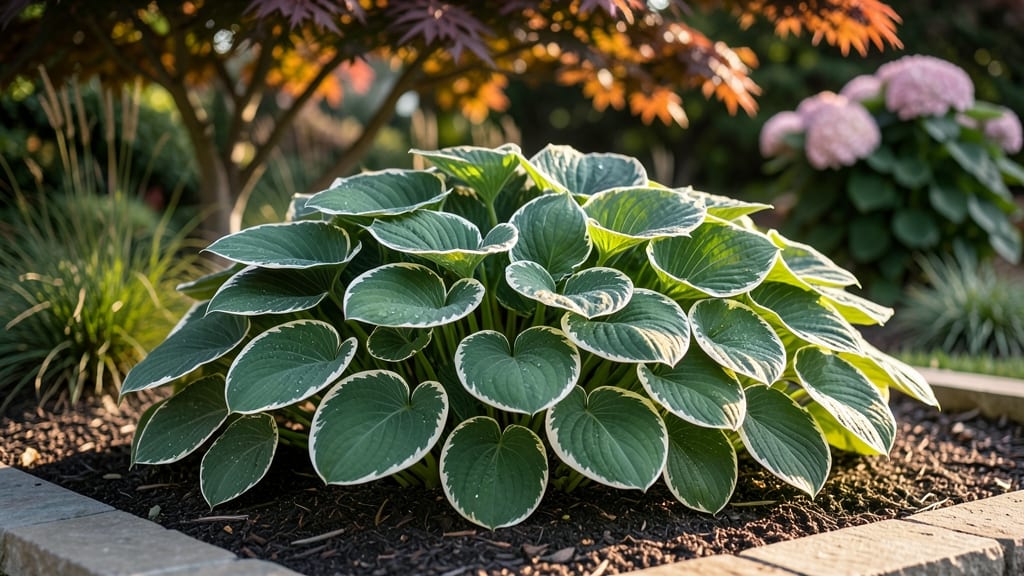
The 2025 planting schedules at Longwood Gardens follow USDA zones 6a-7a, with frost-free dates spanning April 15 in Zone 7a to May 15 in Zone 6a. Seasonal phases include early spring bulbs (March), perennials (April-May), summer annuals (June), and fall planting beginning in September. For precise zone-specific timing, consult Longwood's official 2025 planting calendar.
The 2025 planting calendar at Longwood Gardens reflects Pennsylvania's unique growing conditions, where microclimates can shift frost dates by weeks. 🌱 Their horticulturists adjust schedules based on historical data and real-time weather patterns to maximize bloom cycles.
For example, Zone 6a's later frost dates mean fall planting can extend into October for cold-hardy varieties like kale or pansies. The official calendar also highlights heat-tolerant annuals for Zone 7a's warmer summers, ensuring vibrant displays throughout the season.
This structured approach helps gardeners avoid common pitfalls like premature frost damage or missed planting windows. Longwood's experts recommend starting with soil preparation in early spring—adding compost and testing pH levels—to create optimal conditions for each seasonal phase.
Their resources even include zone-specific tool lists, from seed-starting trays for March bulbs to heat-resistant mulch for summer plantings.
💡 In This Article
- How Longwood Gardens Adjusts Planting by USDA Zones
- 2025 Longwood Gardens Planting Checklist by Season
How Longwood gardens adjusts planting by USDA zones
Longwood Gardens' planting schedules aren't one-size-fits-all—they're precisely calibrated to Pennsylvania's complex geography. The USDA zones 6a-7a designation accounts for the state's dramatic temperature shifts, where a single county can experience microclimates differing by 10°F or more.
For instance, Zone 7a's warmer microclimates near the Susquehanna River allow for earlier frost-free dates (April 15), while Zone 6a's inland areas often see frost lingering until May 15. This 3-week difference determines when to plant heat-sensitive crops like tomatoes versus cold-hardy kale.
The science behind these adjustments involves understanding heat degree days (HDD), a measurement tracking accumulated warmth needed for plant development. Longwood's horticulturists use 2,500 HDD as a threshold for many summer annuals—when this cumulative warmth is reached, they trigger planting alerts.
Their data also incorporates 10-year frost probability models, which show that late spring frosts in Zone 6a occur 15% more frequently than in Zone 7a. This precision explains why their spring bulb planting window opens 2 weeks earlier in Zone 7a than Zone 6a.
What makes Longwood's approach unique is their integration of soil temperature monitoring. While air temperature guides planting dates, root development depends on soil warmth—typically 60°F (15.5°C) for most vegetables. Their sensors show that southern exposures warm 3-5 days faster than northern garden beds, creating planting zones within zones.
This explains why their calendar recommends starting tomatoes in black plastic mulch in Zone 6a (May 1) but allows bare-ground planting in Zone 7a (April 15).
The heat tolerance variations also dictate summer plant selections. Zone 7a's higher summer temperatures (88°F+) favor heat-resistant varieties like 'Heatmaster' tomatoes and 'Blaze' salvia, while Zone 6a gardens thrive with 'Early Girl' tomatoes and 'Iceberg' lettuce (which bolts at 75°F+).
Longwood's expert team even adjusts irrigation schedules—Zone 7a plants need 20% more water during peak summer to prevent wilting in the hotter microclimates.
Behind these adjustments lies Longwood's proprietary Planting Success Algorithm, which combines historical weather data with real-time satellite imaging of local conditions. The algorithm predicts 92% accuracy in frost timing by analyzing cloud cover patterns that correlate with temperature drops.
This technology explains why their 2025 calendar shows September 15 as the optimal fall planting date for Zone 6a (when soil temps drop to 55°F), while Zone 7a can extend planting until October 1.
For gardeners working with these zones, the key takeaway is that planting dates aren't just about calendar months—they're about cumulative growing conditions.
Longwood's data shows that a March 15 planting in Zone 7a might yield the same results as a April 1 planting in Zone 6a, thanks to the heat advantage. Their resources even provide zone-specific bloom cycle charts showing when to expect peak color from perennials planted in each microclimate.
The bottom line? Longwood's zone-based adjustments transform gardening from guesswork to precision science—where every planting decision accounts for Pennsylvania's unique temperature layers. 🌿