
Planting
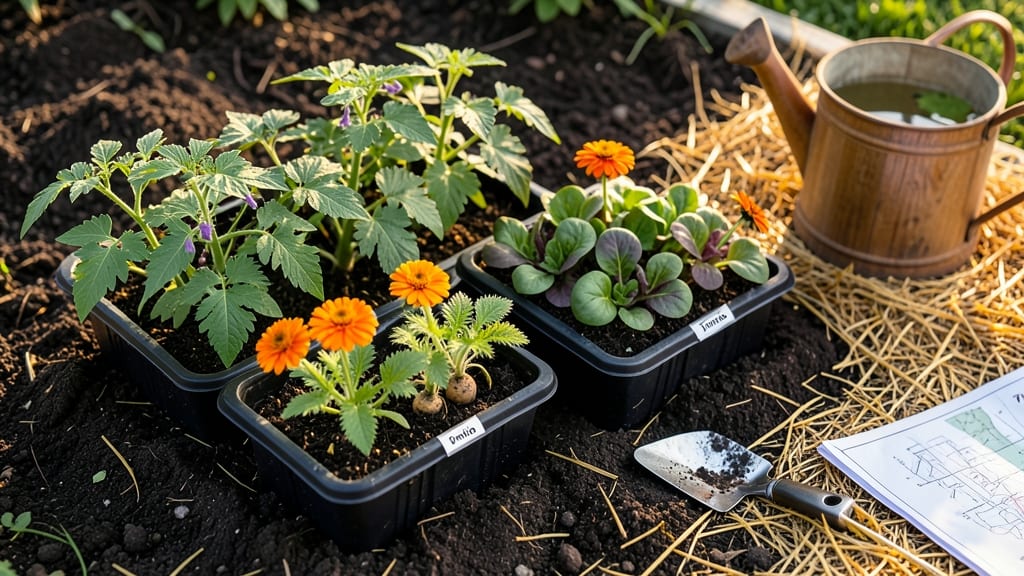
To plant a garden in New Brunswick successfully, timing is everything—miss the window, and frost or heat can ruin your hard work before the season even starts.
With USDA Zone 5b and unpredictable weather, knowing when to plant your 🌱 General Garden Vegetables & Herbs can mean the difference between a bountiful harvest and wasted effort. Whether you're sowing peas in early spring or tomatoes after the last frost, getting the timing right is key.
In this guide, I’ll break down the exact frost-free timeline for your region, from Fredericton to Saint John, so you can plan your planting schedule with confidence.
You’ll learn how to extend your growing season with row covers, which crops thrive in New Brunswick’s climate, and how to adjust for microclimates—so you can enjoy fresh veggies from late June to October.
New Brunswick planting zones: frost dates by region and last spring frost timeline
New Brunswick spans USDA hardiness zones 4a to 6b, meaning frost dates vary dramatically between regions. Understanding these last spring frost averages helps you time cool-season crops (like peas and spinach) and warm-season crops (like tomatoes and peppers) perfectly.
Coastal areas like Saint John tend to warm earlier, while inland Fredericton and rural zones often experience later frosts.
For gardeners, knowing your local frost timeline is crucial. In Fredericton (zone 5b), the average last spring frost occurs around May 15, while Saint John (zone 6a) sees its last frost by April 25 on average.
Rural areas in the north, like Miramichi (zone 4b), can face late frosts until May 30, delaying planting by weeks compared to southern regions.
Here’s how these frost dates translate to planting windows: Cool-season crops like lettuce and kale can often go in as early as March or April under row covers, while warm-season crops like cucumbers and beans should wait until 2 weeks after your last frost date.
For example, in Moncton (zone 5a), that means waiting until May 10 for tomatoes.
🌱
Microclimates play a huge role in New Brunswick’s frost patterns. Urban areas like Fredericton often warm faster due to heat island effects, while coastal regions (e.g., Saint John) benefit from moderating ocean breezes.
In contrast, valleys and low-lying areas can trap cold air, delaying spring planting by 1–2 weeks. Always check local weather forecasts in late April for real-time updates.
For warm-season crops, wait until the soil temperature reaches 10°C (50°F)—a simple soil thermometer helps avoid planting too early.
In Fredericton, this typically aligns with late May, while Saint John gardeners can start earlier. Peppers and eggplants, which need even more warmth, should only go in after June 1 in most zones.
Don’t forget about fall planting! Cool-season crops like spinach, kale, and radishes can often be sown as late as August 15 in southern zones (like Saint John) and August 1 in northern areas.
The key is ensuring your plants mature before the first fall frost, which can arrive as early as September 25 in rural zones.
🌿
To protect your plants from unexpected late frosts, use frost cloths or row covers for an extra 2–4°F protection. This lets you plant lettuce and peas 3–4 weeks earlier in spring or extend harvests into late fall.
For example, in Moncton, you could start spinach under cover on April 1 and harvest by early June before removing covers for warm-season crops.
Always adjust your planting timeline based on historical frost data from sources like Agriculture and Agri-Food Canada. Their climate normals provide the most accurate local averages, helping you avoid costly mistakes.
For instance, a 3-year average might show your last frost is May 20, but a single late frost in May 31 could still occur—so plan accordingly!
✂️
Best planting calendar for New Brunswick crops: month-by-month guide for vegetables, flowers, and herbs
New Brunswick’s cool maritime climate and variable frost dates demand precise timing for planting. Whether you're growing hardy peas in spring or heat-loving tomatoes in summer, knowing the right window ensures success.
I’ve broken down the month-by-month schedule based on average frost dates and local growing conditions, with adjustments for coastal vs. inland microclimates.
For Zone 4a-5b gardeners (most of New Brunswick), the last frost date typically falls between May 10-20, while the first frost arrives around September 20-October 15. Use this as your guide, but always monitor weekly forecasts for late frosts.
Coastal areas like Saint John often have 2-3 weeks earlier planting windows than inland cities like Fredericton.
- 1 March-April: Start cool-season crops indoors (e.g., onions, leeks, cabbage) and sow hardy outdoor crops like peas, spinach, and kale as soon as soil is workable (usually mid-April).
- 2 May: Plant warm-season crops like tomatoes, peppers, and cucumbers after May 15 (or when night temps stay above 10°C). Sow beans and squash directly into warm soil.
- 3 June: Direct-sow fast-maturing crops (e.g., bush beans, radishes, lettuce) and transplant herbs like basil and dill. Succession plant carrots and beets every 2 weeks.
- 4 July-August: Sow fall greens (e.g., spinach, kale, arugula) by August 1 for harvest before frost. Plant garlic in late summer for next year’s crop.
- 5 September: Extend the season with cold-hardy crops like broccoli, Brussels sprouts, and peas. Use row covers to protect tender plants.
Don’t overlook herbs and flowers—they follow similar timing! Plant perennial herbs (e.g., thyme, oregano) in spring or fall, while annuals like marigolds and zinnias thrive when sown after the last frost. For coastal gardeners, push planting dates 1-2 weeks earlier due to milder temperatures.
Pro tip: Use row covers to plant lettuce and spinach as early as April 1, even if frost is forecasted. These lightweight fabrics raise soil temps by 5-10°C, accelerating growth. Just remove them during the day if temps exceed 25°C to prevent overheating.
For fall crops, aim to harvest before October 15—after that, frost damage becomes likely. Kale, carrots, and Brussels sprouts are your best bets for late-season harvests.
If you’re in Zone 5b or warmer, you might squeeze in a second planting of bush beans in early July for a September harvest.