
Tools
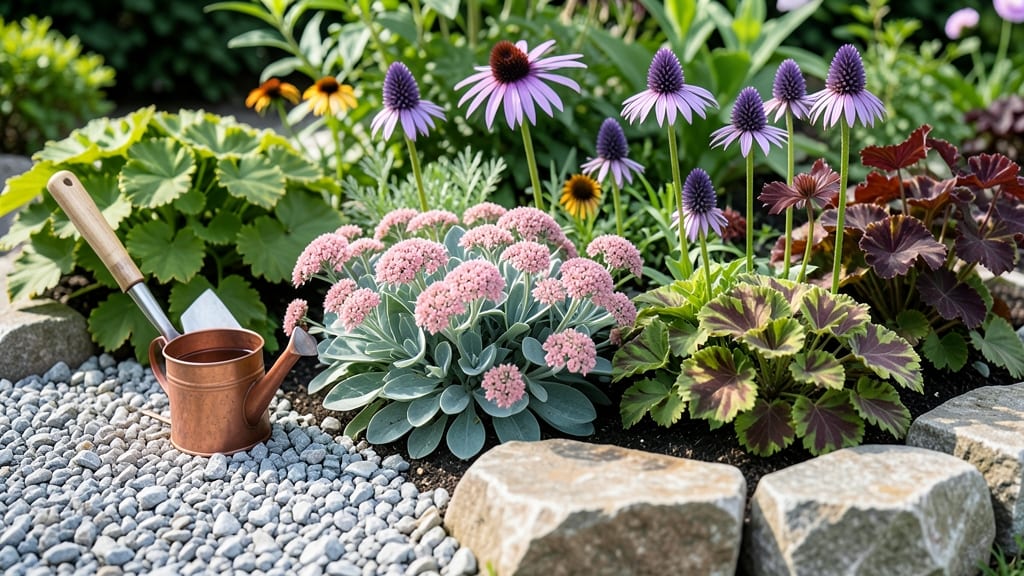
Using limestone in your garden raises soil pH for acid-sensitive plants by neutralizing acidic conditions, but overapplication can create overly alkaline soil. Use carefully—1-2 pounds per 100 square feet—while testing soil pH first for precise plant compatibility.
Limestone works as a natural soil amendment because it contains calcium carbonate, which reacts with hydrogen ions in acidic soil to raise the pH level. 🌱 This chemical process helps unlock essential nutrients like phosphorus and nitrogen that become unavailable in overly acidic conditions.
The key is moderation—too much limestone can make the soil too alkaline, harming plants that prefer neutral or acidic environments. I always recommend testing soil pH before application to determine the exact amount needed for your specific garden plants.
For best results, apply limestone in early spring before planting or after harvesting when the soil is workable. Sprinkle it evenly over the garden bed and lightly rake it into the top 2-3 inches of soil.
Plants like lavender, rosemary, and hydrangeas thrive in slightly alkaline conditions created by limestone, while others like blueberries and azaleas will struggle. Always pair limestone use with regular soil testing to maintain the perfect balance for your garden's ecosystem.
💡 In This Article
- How Limestone Affects Soil Chemistry and Plant Growth
- Best Plants for Limestone-Amended Soil and Application Tips
How limestone affects soil chemistry and plant growth
Limestone's power comes from its primary ingredient, calcium carbonate (CaCO₃), which acts like a chemical buffer in acidic soils. When you add limestone, it reacts with hydrogen ions (H⁺) in the soil, neutralizing them through a simple acid-base reaction that produces water and carbon dioxide.
This process gradually raises the soil's pH level, making it less acidic. For example, in a soil with a pH of 5.5 (moderately acidic), adding limestone can shift it toward 6.5-7.0 (neutral to slightly alkaline) over several months, depending on the soil type and climate.
The reaction isn't instant—it takes time because limestone dissolves slowly in soil water.
The rate depends on factors like soil moisture, temperature, and the limestone's fineness (powdered limestone works faster than chunks). 🌱 What's fascinating is how this pH shift affects nutrient availability: phosphorus becomes more accessible to plants at pH 6.5-7.0, while nitrogen fixation improves in slightly alkaline conditions.
However, micronutrients like iron and manganese become less available as pH rises above 7.0, which is why some plants (like blueberries) suffer in limestone-amended soil.
Organic matter plays a crucial role too. Limestone's calcium ions help stabilize soil structure by binding with organic acids, improving drainage and root penetration. The magnesium often present in limestone (as dolomitic limestone) also acts as a secondary nutrient, supporting plant metabolism. But here's the catch: the effects aren't uniform.
Sandy soils respond faster to limestone than clay soils because water and roots move more freely, accelerating the chemical reactions. In heavy clay, you might need to apply limestone 2-3 times over several seasons to see significant pH changes.
One common misconception is that more limestone equals better results. Actually, overapplication can create soil so alkaline that essential nutrients like phosphorus and zinc become locked away, while toxic levels of sodium or boron might accumulate.
The ideal approach is to test your soil every 2-3 years after amendment, aiming for a target pH based on your plants' needs. For instance, hydrangeas need pH 5.5-6.2 for blue flowers, while lavender thrives at 6.5-7.5—limestone can help you dial in that perfect range.
Consider this real-world example: A garden with acidic soil (pH 5.0) might need about 5-10 pounds of limestone per 100 square feet to raise pH to 6.5, but only 1-2 pounds if the soil is already near neutral.
The key is patience—limestone's effects are gradual, and rushing the process can lead to overshooting your target pH. Think of it like adjusting a recipe: you want to get it just right, not overcorrect.
The chemical process also explains why limestone works best in well-drained soils. In waterlogged conditions, the calcium carbonate can leach away before fully reacting, wasting your amendment. That's why I always recommend applying limestone in spring or fall when soil moisture is balanced but not saturated.
This timing gives the limestone time to work while avoiding the risks of erosion or nutrient runoff during heavy rains.