
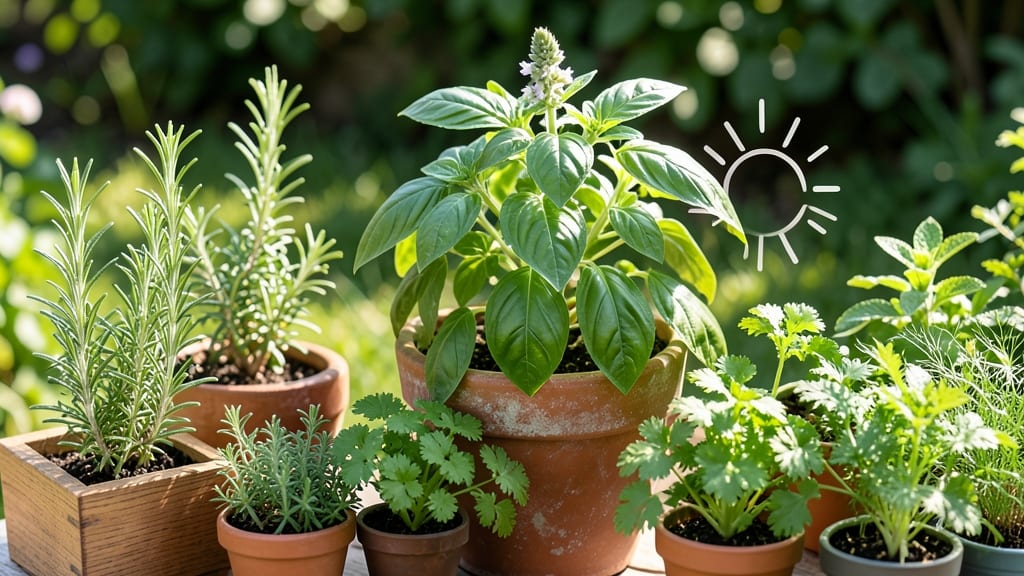
Herbs to Plant in the Garden: 15 Fast-Growing Picks for Year-Round Harvests

Planting

Herbs to Plant in the Garden: 15 Fast-Growing Picks for Year-Round Harvests

Planting herbs in the garden is the easiest way to turn your backyard into a flavor-packed, pest-repelling powerhouse šŸŒ±ā€”and you don’t need a green thumb to make it work.

Imagine stepping into your kitchen and snipping fresh basil for pasta or mint for lemonade, all grown just steps away. The best part? Many of these fast-growing herbs thrive with minimal effort, offering year-round harvests if you plant them right.

From sun-loving rosemary to shade-tolerant parsley, each herb brings unique benefits—whether it’s boosting dishes, soothing ailments, or keeping bugs at bay. Below, I’ll share 15 top picks with their care secrets, so you can grow like a pro (or at least avoid killing them).

Ready to transform your garden into a culinary and medicinal goldmine? Let’s dive into the easiest herbs to grow, their ideal conditions, and how to keep them thriving all season long.

Best Time to Plant
Spring
Plant when soil is warm and workable
🌱 spring Planting Recommended

15 Fast-growing herbs for year-round harvests and their best growing conditions

Growing your own herbs is one of the most rewarding ways to enhance your garden—and your kitchen. These fast-growing herbs deliver flavorful leaves, fragrant blooms, and even medicinal benefits within weeks. Whether you're a seasoned gardener or just starting, these year-round harvest options thrive with the right conditions.

Let’s explore the top 15 herbs that grow quickly, their ideal growing conditions, and how to maximize their potential in your garden.

From sun-loving basil to shade-tolerant mint, each herb has unique needs. Understanding their sunlight requirements, soil preferences, and spacing needs ensures a bountiful harvest. We’ll also cover the best planting times for each herb, so you can plan your garden like a pro.

Plus, I’ll share companion planting tips to keep pests away and boost growth naturally.

🌱

How to choose and plant herbs for maximum flavor and pest resistance

Selecting the right herbs for your garden isn’t just about aesthetics—it’s about creating a flavorful, pest-resistant sanctuary that thrives year-round. The key lies in matching herb varieties to your climate and choosing between container gardening or in-ground planting.

For example, rosemary and thyme love dry, rocky soil and full sun, while basil and cilantro prefer moist, well-draining soil with partial shade in hot climates.

Before planting, consider your local hardiness zone and microclimates in your yard. Coastal areas with mild winters can grow perennial herbs like oregano and sage, while colder regions may need to treat herbs as annuals or overwinter them indoors.

Even a small balcony can host container-friendly herbs like mint or chives, proving that space isn’t a limitation.

āš ļø Avoid These Common Herb-Planting Mistakes

Planting herbs too close together stifles growth and invites disease. Overwatering can drown roots, while underwatering causes bitter flavors. Skipping soil amendments like compost or aged manure leads to nutrient deficiencies. Ignoring pest prevention (e.g., not planting marigolds nearby) risks aphids and spider mites.

Pro Tip: Test soil pH (ideal: 6.0–7.0 for most herbs) and amend with organic matter like worm castings or leaf mold for flavorful, resilient plants.

Start by amending your soil with organic matter like compost or aged manure to boost nutrient density. Herbs thrive in well-draining soil, so avoid heavy clay by mixing in perlite or sand if needed.

For container gardening, use pots with drainage holes and a lightweight potting mix blended with coconut coir or peat moss. In-ground planting benefits from raised beds, which warm up faster in spring and improve drainage.

To deter pests organically, interplant herbs with marigolds or nasturtiums, which repel aphids and whiteflies. Neem oil (applied weekly) controls fungal issues like powdery mildew on basil. Companion planting also works—pair basil with tomatoes to enhance flavor and rosemary with cabbage to deter cabbage moths.

Rotate crops annually to prevent soil-borne diseases.

Pruning herbs correctly encourages bushier growth and higher yields. Pinch back basil and mint regularly to prevent flowering, which makes leaves bitter. For perennials like thyme and oregano, trim back by one-third in early spring to stimulate new growth.

Always use clean, sharp pruners to avoid spreading disease, and harvest leaves in the morning after dew dries for peak flavor.

Monitor your herbs for signs of stress, like yellowing leaves (overwatering) or stunted growth (underwatering). Adjust care based on seasonal changes: reduce watering in winter and increase shade in summer.

With the right soil, spacing, and pest control, your herb garden will flourish—yielding bold flavors and natural pest protection all season long. 🌿

ā˜…ā˜…ā˜…ā˜…ā˜…4.5(4 reviews)
Categories Planting
Herb Sunlight Needs Soil Type Spacing (in) Hardiness Zones Best Planting Time
Basil Full sun (6-8 hrs) Well-draining, rich 12-18 3-11 Spring to early summer
Cilantro Partial sun (4-6 hrs) Moist, fertile 6-12 2-11 Early spring or fall
Thyme Full sun (6+ hrs) Dry, sandy, well-draining 12-18 3-9 Spring or early fall
Rosemary Full sun (6-8 hrs) Well-draining, sandy 18-24 7-10 Spring
Parsley Partial shade (4-6 hrs) Moist, rich 6-12 3-11 Spring or fall
Mint Partial shade (3-6 hrs) Moist, fertile 12-18 (containers best) 3-11 Spring
Chives Full sun to partial shade (4-6 hrs) Well-draining, fertile 6-12 3-10 Spring or fall
Oregano Full sun (6+ hrs) Well-draining, rocky 12-18 5-9 Spring
Dill Full sun (6-8 hrs)