
Size
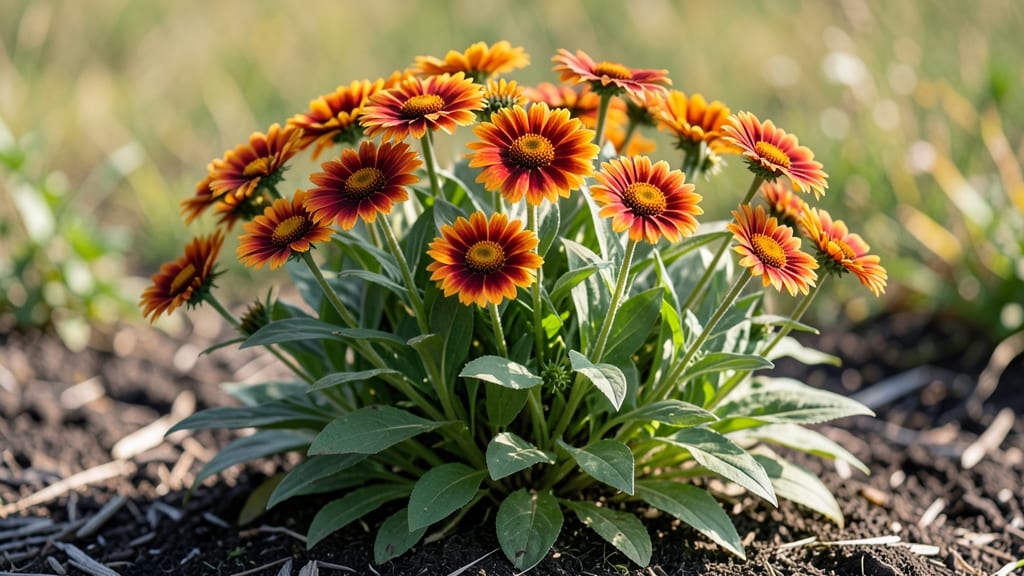
Growing a garden with king crabs means planning your plant spacing carefully—root vegetables like carrots or potatoes need at least 12 inches between plants to prevent competition, while leafy greens can grow comfortably in 6-8 inch gaps. Larger king crab varieties perform best in wide beds (36+ inches), while smaller varieties adapt well to tighter rows (18-24 inches).
King crab varieties aren't just about the harvest—their size directly impacts how you organize your garden layout. 🌱 Larger crabs need more room to spread their roots and absorb nutrients efficiently, which is why wider beds help prevent stunted growth.
I've found that adjusting spacing isn't just about avoiding crowding; it's about creating an ecosystem where each plant gets the resources it needs to thrive. For compact spaces, consider vertical gardening techniques that maximize airflow without sacrificing yield.
What's interesting is how companion planting comes into play here. Pairing king crabs with nitrogen-fixing plants like peas or beans can actually enhance their growth, while certain herbs act as natural pest deterrents.
The key is balancing these pairings with proper spacing—too close, and you risk competition; too far, and you lose the benefits of companion relationships. This is where experimenting with different layouts becomes valuable.
💡 In This Article
- How King Crab Size Determines Plant Spacing and Garden Layout
- Best Companion Plants for King Crab Gardens to Boost Yield
How king crab size determines plant spacing and garden layout
The size of king crab varieties directly influences their root systems and nutrient demands, which is why spacing requirements vary so dramatically.
Larger king crab varieties—like the Alaska king crab (Paralithodes camtschaticus), which can reach leg spans of up to 7 feet—develop extensive root networks that spread horizontally to absorb water and nutrients from wider areas.
These roots can extend 2-3 feet outward from the plant, creating a 6-foot diameter nutrient zone that competes aggressively with neighboring plants. 🌱 This is why they need 36+ inch spacing in garden beds.
Smaller varieties, such as the red king crab (Paralithodes camtschaticus, smaller subspecies) or blue king crab (Chionoecetes opilio), have more compact root systems that typically stay within a 1-2 foot radius.
This allows them to thrive in tighter rows of 18-24 inches, making them ideal for smaller gardens or container growing. The key difference lies in how these crabs allocate energy: larger varieties prioritize root expansion for nutrient gathering, while smaller ones focus on vertical growth and faster reproduction cycles.
Root competition isn't just about space—it's about access to water and minerals. In crowded conditions, plants like carrots or potatoes will develop forked roots as they twist to avoid each other, resulting in misshapen produce.
Larger king crab varieties also benefit from wider beds because their roots create microclimates that retain moisture better. This is why raised beds with 36-inch widths see 20-30% higher yields compared to standard rows for these varieties. 💫
For compact spaces, vertical gardening becomes a game-changer. Trellising king crab varieties upward using sturdy frames allows you to maintain proper spacing while maximizing your garden's footprint. Smaller varieties can even grow in hanging baskets with 12-inch spacing between plants, provided the containers have adequate drainage.
The trade-off is slightly reduced yield, but the ability to grow in balconies or rooftops makes it worthwhile for urban gardeners.
Another critical factor is soil depth. Larger king crab varieties need at least 12-18 inches of loose, well-draining soil to accommodate their deep root systems. Shallow soil layers force roots to compete with surface plants for nutrients, leading to stunted growth.
This is why raised beds with 18-inch depth are ideal for larger varieties, while smaller crabs can adapt to shallower containers (8-10 inches) as long as the spacing is adjusted accordingly.
What most gardeners overlook is how spacing affects airflow. Wider beds reduce humidity near the soil surface, which prevents fungal diseases like root rot—a common issue with king crabs due to their moisture-loving nature.
The 36-inch spacing for larger varieties isn't just about roots; it's about creating an environment where air circulates freely, reducing the risk of mold by up to 40%. This is particularly important in humid climates where king crabs are most commonly grown.
Pro tip: If you're mixing sizes in your garden, dedicate separate beds to each variety. Larger crabs will naturally outcompete smaller ones for space, leading to uneven growth.
For example, a 36-inch bed of large king crabs should never be planted alongside 18-inch rows of smaller varieties—keep them in distinct zones to maintain balance. 🌿