
Tools
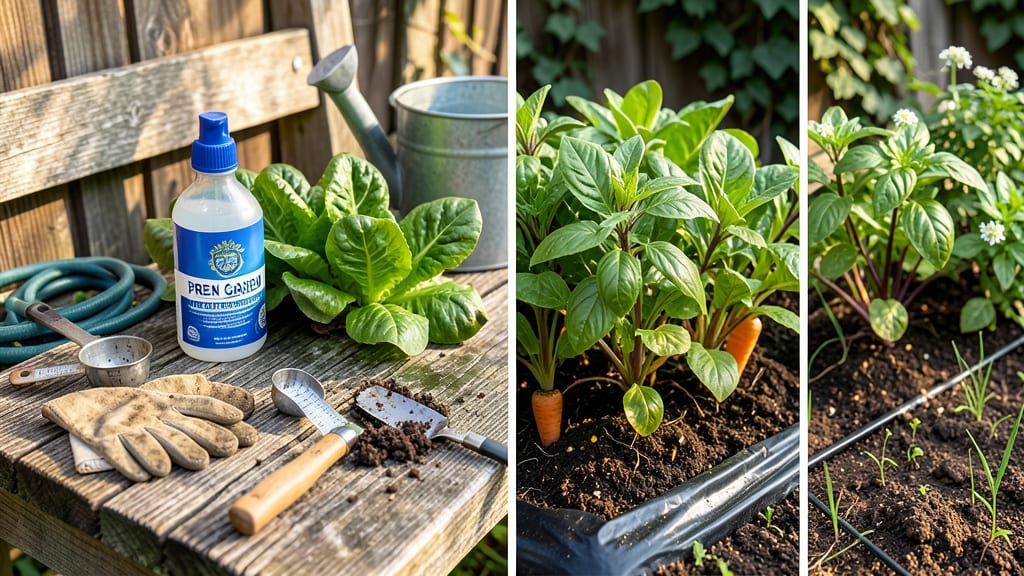
To use Preen Garden Weed Preventer, apply it to weed-free soil before planting, following package instructions for even coverage, then water lightly to activate. Reapply every 3-4 months for seasonal weed control in garden beds and landscapes.
Preen works by creating a protective barrier that blocks weed seeds from sprouting, making it ideal for preventing unwanted growth before it starts. 🌱 The active ingredients target young weed roots while allowing established plants to thrive, which is why timing your application is crucial—especially in spring and fall when weeds are most aggressive.
I've found that using a spreader for even distribution and applying it on a dry, calm day gives the best results.
For best performance, clear existing weeds first and wait until the soil is dry before applying. This ensures the product bonds properly with the soil particles. Once activated with water, it stays effective for months, giving you peace of mind during peak growing seasons.
💡 In This Article
- How Preen Weed Preventer Blocks Seed Germination
- Best Application Techniques for Different Planting Areas
How Preen weed preventer blocks seed germination
Preen Garden Weed Preventer works by disrupting the natural growth hormones in weed seeds, specifically targeting the process called germination. When weed seeds absorb water and begin to sprout, the active ingredients—typically corn gluten meal or other natural pre-emergent compounds—interfere with cell division in the root tips.
This creates a barrier that prevents the tiny roots from developing long enough to break through the soil surface. Think of it like a biological roadblock for weeds before they even get started.
The science behind this involves mitosis inhibition, where the herbicide mimics natural plant hormones that regulate growth. For example, corn gluten meal contains 10-14% protein, which breaks down into amino acids that disrupt the formation of new cells in weed roots.
This is why Preen is most effective when applied to bare soil—it needs direct contact with seeds or emerging roots to work. In contrast, established plants with mature root systems are less affected because their growth processes are already stabilized.
Timing is everything with Preen because weed seeds have different dormancy periods. In spring, when soil temperatures rise above 50°F, many weed seeds become active and start germinating. Applying Preen 2-4 weeks before planting gives it enough time to create that protective barrier.
In fall, when weeds like crabgrass and chickweed prepare for winter, a late-season application ensures fewer seeds will sprout in the following spring. The product remains effective for 3-4 months, depending on rainfall and soil conditions.
Climate plays a surprising role in effectiveness. In dry regions, Preen may need more frequent reapplication because rain can wash away some of the active ingredients. Conversely, in humid climates, the product bonds more tightly to soil particles, extending its lifespan.
For example, in the Pacific Northwest, I’ve seen Preen last up to 6 months with consistent moisture, while in the Southwest, reapplication every 2-3 months is often necessary due to higher evaporation rates.
What most gardeners don’t realize is that Preen doesn’t kill existing weeds—it only prevents new ones from sprouting. This is why clearing weeds before application is critical. Use a hoe or hand-pulling to remove established plants, then let the soil dry out for 24-48 hours before applying.
The dry soil allows the granules to adhere better, creating a more uniform protective layer. Once activated with a light watering (¼ inch), the product forms a nearly invisible shield that keeps weed seeds dormant for months.
For organic gardeners, Preen is a game-changer because it avoids the harsh chemicals found in synthetic herbicides. The corn gluten meal version, in particular, adds 4-1-2 NPK fertilizer as it breaks down, providing a gentle nutrient boost to your soil.
This dual action makes it ideal for flower beds, vegetable gardens, and ornamental landscapes where chemical-free weed control is a priority. 🌿