
Vegetables
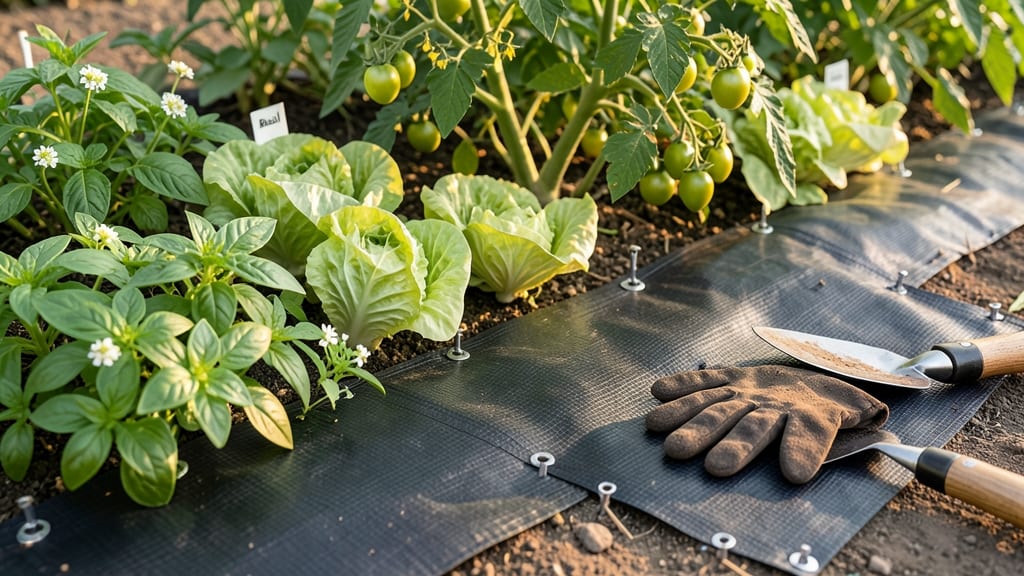
Guarding your garden against weeds with heavy-duty fabric is the smartest way to keep your soil healthy and your plants thriving without endless pulling.
Tired of pulling weeds by hand every week? Heavy-duty weed guard fabric could save you hours of backbreaking work while protecting your garden's soil and plants for three seasons or longer—but not all barriers are created equal.
This fabric isn’t just about blocking weeds—it lets water and air reach your soil while smothering unwanted plants. Whether you’re working with raised beds, containers, or in-ground planting, the right weed guard can transform your garden maintenance routine.
In this guide, I’ll break down the best types of weed guards, how to install them for maximum effectiveness, and tips to keep them working for years—so you can spend less time weeding and more time enjoying your garden.
How weed guard fabric works: blocking weeds while letting water and air through
Weed guard fabric is a game-changer for gardeners who want to eliminate weeds without using harsh chemicals. This permeable barrier works by blocking sunlight—something weeds need to grow—while still allowing water, air, and nutrients to reach your plants.
Unlike thick mulch or plastic sheets, weed guard fabric stays flexible and breathable, making it ideal for long-term use.
The fabric’s secret lies in its micro-perforated design. These tiny holes are large enough for water and air to pass through but small enough to smother weed seeds before they sprout.
This dual-action approach keeps your garden beds clean and healthy while supporting root development in your plants. Think of it as a selective filter for your soil.
Here’s how it compares to other weed suppression methods:
| Feature | Weed Guard Fabric | Mulch | Plastic Sheeting |
|---|---|---|---|
| Blocks Weeds | ✅ Yes (sunlight block) | ✅ Yes (physical barrier) | ✅ Yes (complete block) |
| Allows Water Through | ✅ Yes (micro-perforated) | ✅ Yes (absorbs moisture) | ❌ No (traps moisture) |
| Allows Air Through | ✅ Yes (breathable) | ✅ Yes (organic matter breaks down) | ❌ No (suffocates roots) |
| Lifespan (Seasons) | 3-5+ (UV-resistant) | 1-2 (decomposes) | 1-2 (degrades in sun) |
| Aesthetic Appeal | ✅ Neutral (hidden under mulch) | ✅ Natural (enhances garden) | ❌ Unnatural (visible) |
| Cost per Yard | $0.50-$1.50 | $0.20-$0.80 | $0.10-$0.30 |
The UV resistance of weed guard fabric is a critical factor in its longevity. Most high-quality fabrics are treated with UV inhibitors to prevent breakdown from sunlight, which can extend their lifespan to three seasons or more.
Without this protection, fabric can become brittle and tear easily, reducing its effectiveness. Always check the product label for UV resistance ratings before purchasing.
Another key advantage is how weed guard fabric maintains soil temperature. Unlike plastic sheets that can overheat soil in summer, this fabric allows for natural temperature regulation.
This is especially beneficial for heat-sensitive plants like lettuce or spinach, which thrive in cooler conditions. The fabric’s breathability also prevents soil compaction, ensuring roots grow freely.
When installed correctly, weed guard fabric creates a physical barrier that blocks 95% of weed seeds from germinating. The remaining 5% that slip through are easy to pull by hand since they’re young and small.
This makes maintenance a breeze compared to battling established weeds. For best results, pair the fabric with a 2-3 inch layer of mulch on top to further suppress weeds and improve moisture retention.
One common misconception is that weed guard fabric will suffocate plant roots. In reality, the fabric’s perforated design allows roots to penetrate through the holes, especially when combined with organic amendments like compost.
Always cut X-shaped slits in the fabric where you plan to plant to create easy access for roots while keeping weeds at bay.
For long-term use, choose fabrics made from polypropylene or polyester, which are known for their durability. Avoid cheaper, thinner fabrics that can tear under pressure or degrade quickly.
Investing in a heavy-duty option (typically 3-5 oz per square yard) will pay off in reduced weed growth and easier garden maintenance over multiple seasons.
Pro tip: If you’re using weed guard fabric in raised beds or containers, secure the edges with landscape staples or rocks to prevent shifting. This ensures the fabric stays in place, especially during wind or rain.
Over time, you’ll notice fewer weeds and healthier plants, making the initial effort well worth it.
🌱
Best weed guard fabrics for different garden types (containers, raised beds, IN-ground)
Choosing the right weed guard fabric depends entirely on your garden setup. For containers, lightweight, breathable materials work best, while raised beds need heavier-duty options to resist shifting.
In-ground gardens require fabrics that blend seamlessly while blocking weeds for 3+ seasons. Let’s break down the top choices and their ideal uses.
My go-to for containers is biodegradable weed barrier cloth—it’s thin enough to fit snugly but blocks weeds effectively. For raised beds, I swear by UV-stabilized landscape fabric because it lasts longer and handles moisture well.
In-ground gardens? A geotextile fabric with a 3-year warranty is my secret weapon for heavy foot traffic.
Weed Guard Fabric Comparison
Landscape Fabric
- Durable (3-5 years)
- Blocks 95%+ weeds
- Affordable ($0.50/sq ft)
- Can degrade in UV
- May trap too much heat
- Harder to cut
Biodegradable Cloth
- Breathable for roots
- Disintegrates safely
- Great for containers
- Shorter lifespan (1-2 years)
- More expensive ($1.50/sq ft)
- Less durable
Geotextile Fabric
- UV-resistant (5+ years)
- Handles foot traffic
- Balances airflow
- Costlier ($1.20/sq ft)
- Thicker (harder to install)
- Overkill for containers
For containers, I recommend cutting biodegradable cloth to fit snugly around the edges. Secure it with staples or landscape pins to prevent shifting when watering.
In raised beds, overlap landscape fabric seams by 6 inches and weigh down the edges with rocks or pavers to keep it in place.
If you’re working with in-ground gardens, opt for geotextile fabric with a perforated design to allow water and nutrients to penetrate while blocking weeds. This type is ideal for high-traffic areas like vegetable patches or flower beds where durability is key.
Just remember to cut holes for plants before laying it down.
One common mistake I see is using regular plastic sheeting—it blocks all airflow and can suffocate plant roots. Instead, always choose a fabric labeled for weed suppression with water-permeable properties. For long-term use, invest in UV-stabilized options to avoid degradation from sun exposure.
Pro tip: Test a small section first in an inconspicuous area to see how it performs in your specific garden conditions. Adjust your choice based on soil type, climate, and planting density—this ensures you pick the perfect weed guard for your needs. 🌱