
How To
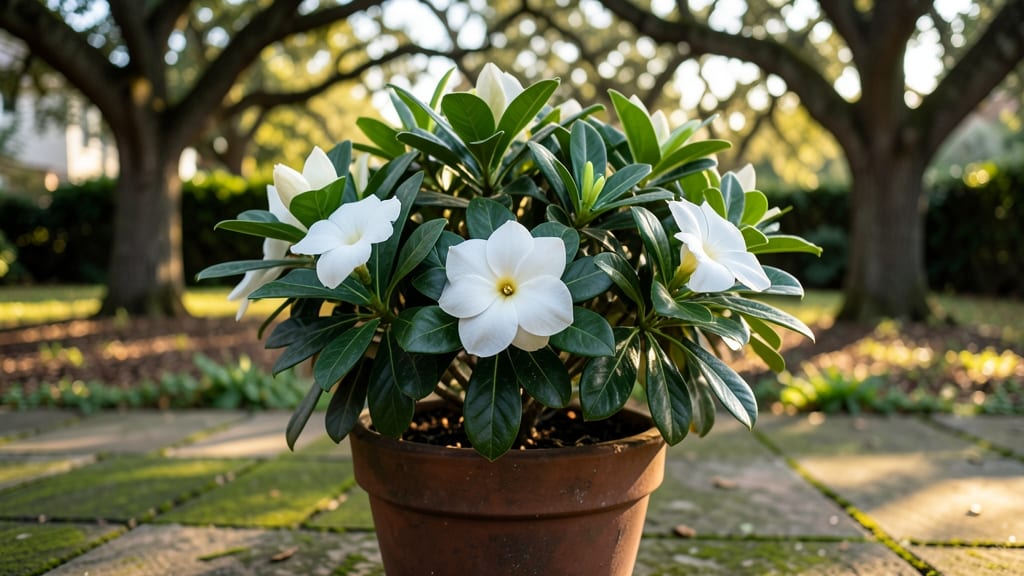
How tall gardenia plants grow to maturity can vary dramatically—between 2 and 6 feet, depending on the variety and growing conditions—a range that can transform your garden from a cozy corner to a fragrant focal point.
Picture this: your 🌸 gardenia starts as a delicate spring transplant, but by summer, it’s either a compact shrub hugging your patio or a towering beauty that needs a second thought for placement. The difference? Variety, pruning, and where you live.
If you’re planning your landscape, knowing whether your gardenia will stay at 3 feet or stretch toward 6 feet makes all the difference. Some types, like the classic Gardenia jasminoides, lean toward the taller side, while dwarf varieties keep things neat and manageable.
In this guide, I’ll break down the height secrets by variety, how climate and care shape their growth, and the simple tricks to keep them at your ideal size—whether that’s a bushy border or a statement shrub.


Gardenia mature height by variety: compact vs. towering types
If you're planning your garden layout, knowing how tall gardenias grow is essential. These fragrant shrubs come in stunning varieties with dramatically different mature heights, from petite patio plants to towering landscape stars.
The most popular type, Gardenia jasminoides, typically reaches 4-6 feet at maturity, but some varieties stay as short as 2 feet—perfect for containers or small gardens.
Choosing the right variety isn't just about space—it also affects flowering intensity and maintenance needs. Dwarf varieties bloom just as heavily as their taller cousins but require less pruning.
Meanwhile, standard gardenias create stunning focal points in larger landscapes. Let's explore how these varieties compare so you can pick the perfect fit for your garden.
🌱 Pro Tip: Always check your local climate zone—some varieties grow taller in warmer regions (like USDA Zone 8+) where they can thrive year-round.
| Variety | Mature Height | Growth Habit | Best For |
|---|---|---|---|
| Gardenia jasminoides 'Kleim's Hardy' | 3-4 ft | Bushy, rounded | Cold-hardy gardens |
| Gardenia jasminoides 'Radicans' | 2-3 ft | Trailing, spreading | Containers, hanging baskets |
| Gardenia jasminoides 'Veitchii' | 4-6 ft | Upright, pyramidal | Privacy screens, hedges |
| Gardenia augusta 'Fortuniana' | 6-8 ft | Tall, arching branches | Tropical landscapes |
| Gardenia jasminoides 'Mystery' | 1-2 ft | Compact, bushy | Patio pots, window boxes |
| Gardenia jasminoides 'Prosperity' | 3-5 ft | Broad, multi-stemmed | Foundation plantings |
For small-space gardens, I recommend Gardenia jasminoides 'Mystery' or 'Radicans'—both stay under 3 feet and thrive in containers. These varieties produce double white blooms with that signature gardenia fragrance without overwhelming your patio.
Their compact size makes them ideal for balconies, decks, or even indoor growing near bright windows.
If you're designing a tropical-themed garden, consider Gardenia augusta varieties like 'Fortuniana', which can reach 8 feet in ideal conditions. These towering beauties create stunning vertical interest and work well as privacy screens or backdrop plants.
Just be prepared for their heavier canopy—these need sturdy support and regular pruning to maintain shape.
My personal favorite for mixed borders is 'Veitchii'—it grows to 6 feet but maintains a neat, pyramidal shape that pairs beautifully with camellias or azaleas. The dark green foliage contrasts perfectly with its creamy white flowers, making it a standout in any landscape design.
One common misconception is that taller gardenias always produce more flowers. In reality, dwarf varieties often bloom just as prolifically—they're simply more space-efficient. The key difference lies in their growth rate: taller varieties may take 3-5 years to reach maturity, while compact types establish more quickly.
When planning your garden, consider not just height but also spread. Some varieties like 'Radicans' grow wide rather than tall, making them perfect for ground covers or spiller plants in containers. Always check the mature spread (typically 3-5 feet for most varieties) to avoid overcrowding.
🌿 Quick Tip: If you love the look of tall gardenias but have limited space, try pruning young plants to encourage bushier growth. Regular tip-pruning in spring can reduce height by 20-30% while increasing flower production.
For urban gardeners, dwarf varieties offer the most flexibility. You can easily move potted garden
How climate and pruning affect gardenia height growth
If you’ve ever wondered why your gardenia seems to stretch toward the sky or stay stubbornly small, the answer lies in two key factors: climate conditions and pruning techniques.
Gardenias thrive in specific environments, and even the slightest shift in temperature, humidity, or sunlight can send their growth patterns in unexpected directions. Meanwhile, how—and when—you prune can either encourage a bushy, compact shape or let them grow into towering shrubs that need a ladder to admire.
For example, my Gardenia jasminoides in Florida grows nearly 6 feet tall with minimal pruning, while the same variety in cooler climates like USDA Zone 6 might max out at 3-4 feet unless I take aggressive shaping steps.
Understanding these dynamics lets you control your gardenia’s height—whether you want a privacy hedge or a container-friendly shrub for your patio.
- 1
- 2
- 3
- 4
- 5
Seasonal growth patterns also play a role. Gardenias in warm climates grow year-round, while those in cooler regions experience spring and summer flushes of new growth.
If you live in USDA Zone 7 or colder, plan to prune in late winter or early spring to avoid cutting back new buds that form after dormancy. I’ve seen gardenias in my zone add 12-18 inches in a single growing season with proper care!
To control overgrowth, focus on structured pruning. For example, if your gardenia is becoming too tall, prune the top third of the tallest stems in late summer to encourage lateral branching.
Avoid heavy pruning in fall—this can stress the plant before winter. Instead, I recommend light shaping prunes in September to maintain height while keeping the plant healthy for dormancy.
Pro tip: Use support stakes for young gardenias to guide their growth direction. This prevents them from leaning or becoming top-heavy, which can lead to breakage during storms. Pair this with monthly balanced fertilizer (like 10-10-10) to support steady, controlled growth without sudden height spikes.
By mastering these climate and pruning strategies, you’ll transform your gardenia from a wild, unruly shrub into a well-manicured feature that fits your landscape perfectly—whether you prefer a 3-foot bush or a 6-foot statement plant. 🌸✂️🌿