
Size
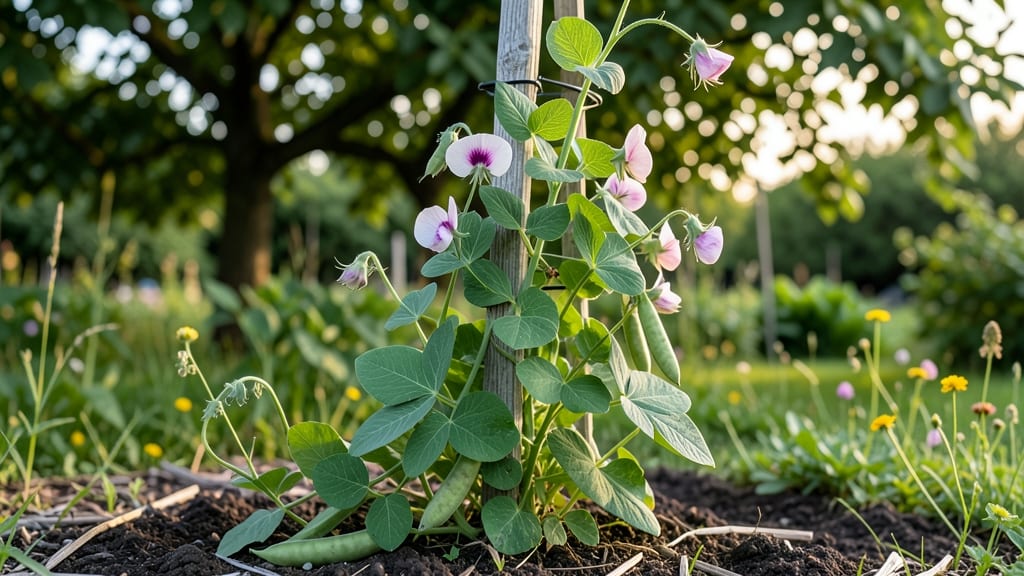
Garden peas grow anywhere from 1 to 6 feet tall, depending on the variety you choose—some stay compact like a bush, while others climb like a vine to the sky.
If you're planning a vertical garden or tight-space planting, knowing how tall garden peas grow could save you from crowding out other plants—or missing out on their sweet rewards.
Dwarf varieties like 'Little Marvel' stay under 2 feet, perfect for containers or small gardens, while tall climbers like 'Sugar Snap' can reach 6 feet or more with the right support.
Below, I’ll break down the height differences, how to pick the right variety for your space, and the best ways to keep them growing strong—no matter how tall they get.


Garden pea heights by variety: dwarf vs. climbing types explained
When planning your garden, knowing how tall garden peas grow helps you choose the right varieties for your space. Peas come in two main types: dwarf (bush) varieties that stay compact and climbing (vining) varieties that reach impressive heights.
The difference isn't just about space—it affects harvest timing, support needs, and even flavor. Let's break down the key differences so you can pick the perfect pea for your garden layout.
Dwarf varieties typically stay between 12 and 36 inches tall, making them ideal for containers, small gardens, or areas where vertical space is limited. These bush peas don’t require trellises, saving you time and materials.
On the other hand, climbing varieties can grow 4 to 10 feet tall, thriving when given sturdy support like trellises or fences. Their height makes them perfect for maximizing vertical gardening or adding greenery to fences and arbors.
Here’s the key distinction: dwarf peas focus on bushy growth with multiple pods produced close to the ground, while climbing peas produce fewer but larger pods higher up. The height of your peas also impacts when you’ll harvest—dwarf varieties often mature faster, giving you an earlier crop.
Climbing varieties, however, may take slightly longer but reward you with a longer harvest season if properly supported.
Before you plant, consider your garden’s layout. If you’re working with limited horizontal space, dwarf varieties are your best bet. But if you have a trellis, fence, or tall cage, climbing peas will let you grow more peas in the same footprint.
Both types thrive in similar conditions—cool temperatures, full sun, and well-draining soil—but their height requirements change how you’ll care for them.
Let’s dive into the top 3 dwarf varieties that are perfect for small gardens or containers. Little Marvel is a classic, reaching just 18–24 inches tall and producing sweet, tender pods.
It’s a great choice for beginners because it’s disease-resistant and early maturing. Tom Thumb is another compact option, staying under 2 feet tall and thriving in cooler climates. Its small size makes it ideal for window boxes or hanging baskets.
For those who love sugar snap peas, Sugar Ann is a dwarf variety that grows to about 24–30 inches tall. It’s a heavy producer with crisp, sweet pods that are perfect for snacking or stir-fries.
Unlike its climbing cousins, Sugar Ann doesn’t need support, making it a low-maintenance choice. If you’re growing in containers or raised beds, these dwarf varieties will fit perfectly without taking up much space.
Now, let’s talk climbing peas, which are the stars of vertical gardens. Sugar Snap peas are a favorite among gardeners because they can grow 6–8 feet tall with the right support.
Their pods are crisp, sweet, and perfect for eating raw or lightly cooked. Oregon Sugar Pod is another excellent climbing variety, reaching 5–7 feet tall and producing long, sugar-rich pods. It’s known for its high yield and disease resistance, making it a reliable choice for larger gardens.
If you’re looking for a heavy producer, Wando is a climbing variety that can grow up to 8 feet tall. It’s resistant to fusarium wilt, a common disease in peas, and produces abundant pods that are great for freezing or fresh eating.
To get the most out of climbing peas, install a trellis or fence at least 6 feet tall before planting. This gives the vines something to cling to as they grow, preventing them from sprawling on the ground and improving air circulation.
Harvesting your peas at the right time ensures the best flavor and encourages more production. For dwarf varieties, start checking for pods about 50 days after planting. Look for pods that are plump but still firm, about 1–2 inches long.
For climbing varieties, wait until 60–75 days, depending on the variety. Harvest frequently—every 2–3 days—to keep the plants producing. If you leave pods on the vine too long, they’ll become tough and woody, ruining the sweet flavor.
One final tip: height affects harvest ease. Dwarf peas are easier to pick because they’re at waist level, while climbing peas require a ladder or stool to reach the top pods. If you have children or mobility concerns, dwarf varieties might be the better choice.
But if you’re up for a little extra effort, climbing peas reward you with a longer harvest season and the satisfaction of watching them grow toward the sky.
How to choose pea varieties based on garden space and support needs
Choosing the right pea variety depends entirely on your garden space and how much support you're willing to provide. Dwarf varieties thrive in containers or small plots, while climbing types need trellises or cages to reach their full potential.
The key is matching your space constraints with the growth habits of the pea.
For example, bush peas like 'Little Marvel' stay compact at just 12-18 inches tall, making them perfect for window boxes or balcony gardens. Meanwhile, climbing varieties such as 'Sugar Snap' can soar to 6 feet or more if given proper vertical support.
Let's break down your options based on what your garden can handle.
🌱 Pea Variety Support Needs
- Dwarf/Bush Peas (12-24") → No support needed (ideal for containers or small plots)
- Semi-Dwarf Peas (24-36") → Low trellis (3-4 ft) (great for raised beds)
- Climbing Peas (4-10 ft) → Tall trellis (6-8 ft) (best for fences or pergolas)
If you're working with limited space, prioritize dwarf varieties like 'Tom Thumb' or 'Green Arrow', which stay under 2 feet tall. These are perfect for small gardens or urban balconies where vertical growth isn't an option.
Just ensure your soil depth is at least 6 inches—shallow roots can struggle in containers.
For larger gardens, climbing peas are a game-changer. Install a 6-foot trellis near your pea plants to guide their growth upward, freeing up valuable ground space for other crops. Pair them with fast-growing companions like radishes or lettuce, which mature before peas need full attention.
Pro tip: Use companion planting to maximize vertical space. For example, plant bush beans at the base of your pea trellis—they won’t compete for height but will benefit from the peas' nitrogen-fixing roots. This dual-layer approach boosts yield without expanding your footprint.
Remember, overcrowding stunts growth, so follow spacing guidelines: 2 inches apart for dwarfs and 4-6 inches for climbers. With the right variety and support, your peas will thrive—whether they're waist-high wonders or sky-scraping vines. 🌿