
Watering
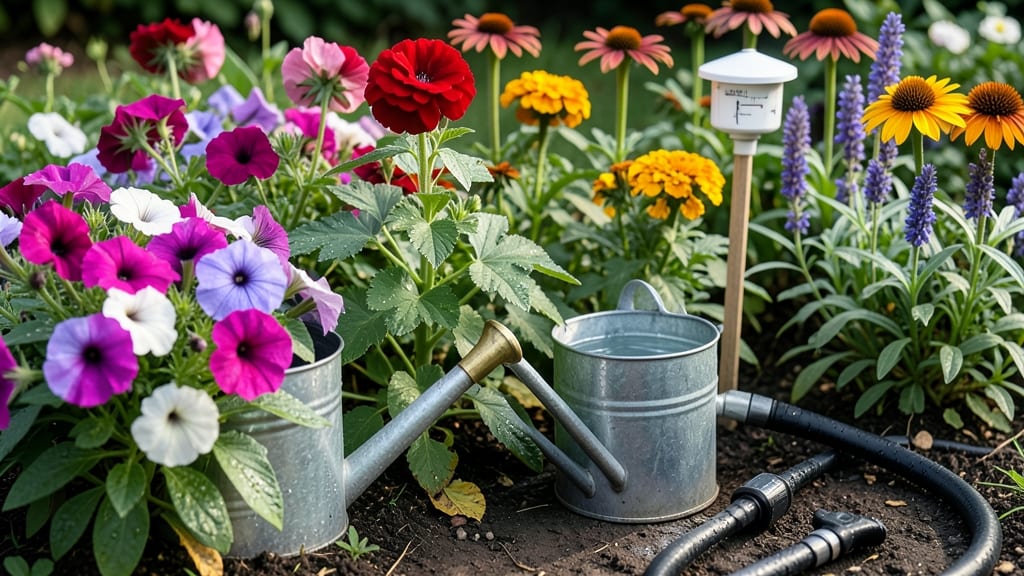
Watering your flower garden the right way means knowing how often to water without guessing—because too much or too little can turn your blooms into a sad, wilted mess.
Struggling to keep your flower garden vibrant without drowning the roots? Overwatering or underwatering can both kill your blooms—so timing is everything.
Most flowers thrive with deep, infrequent watering—think 1-2 inches per week in spring and fall, but ramp up to every 2-3 days when summer heat turns the soil into a desert. The key? Checking soil moisture before you water.
Below, I’ll break down the perfect watering schedule by season, plant type, and climate—plus the tools and tricks to keep your 🌸 Flower Garden looking its best year-round.
Seasonal watering schedule for flower gardens: month-by-month guide
Watering your flower garden isn’t a one-size-fits-all task—it’s a seasonal dance between root health and bloom vitality. Too much water suffocates roots, while too little stresses plants into drooping petals and wilting stems.
The key? Adjusting your watering schedule to match temperature shifts, rainfall patterns, and plant maturity. Whether you’re in a humid Southeast or arid Southwest, this month-by-month guide keeps your garden thriving.
Start by checking your soil moisture before watering—stick your finger 1-2 inches deep. If it’s dry, it’s time. For newly planted flowers, water daily for the first week to help roots establish.
Mature plants, however, can often handle longer dry spells, especially drought-tolerant varieties like lavender or yarrow. Always water early morning to minimize evaporation and fungal risks.
🌱 Seasonal Adjustments are critical. Spring brings gentle rain and warming soil, while summer demands deep, frequent watering. Fall slows growth, and winter often requires minimal watering—unless you’re in a mild coastal climate. Below, I’ve broken down the ideal watering frequency for each season, with tips for humid vs. dry regions.
| Season | Watering Frequency | Notes for Dry Climates | Notes for Humid Climates |
|---|---|---|---|
| Spring (March-May) | Weekly (deep soak) | Water every 5-6 days; mulch heavily. | Reduce to bi-weekly if rain exceeds 1 inch. |
| Summer (June-August) | 2-3x per week (daily in heatwaves) | Water early morning; use drip irrigation. | Water every 3-4 days; avoid wetting foliage. |
| Fall (September-November) | Bi-weekly (reduce in late fall) | Water every 10-14 days; stop by frost. | Cut back to monthly if no rain. |
| Winter (December-February) | Monthly (or none in frost) | Water only if soil is bone-dry; avoid freezing roots. | Skip unless drought persists. |
Spring (March-May) is all about balancing moisture as soil warms. New growth demands consistent hydration, but avoid soggy soil—root rot is a silent killer. In dry regions, water deeply every 5-6 days to encourage deep root growth. If you’re in a humid climate, like the Pacific Northwest, you may only need to water once every 2 weeks unless it’s unusually dry.
For annuals like petunias or perennials such as coneflowers, aim for 1-1.5 inches of water per week, including rainfall. Use a rain gauge or tuna can to measure—your eye can trick you!
Mulch with 2-3 inches of organic matter (like shredded leaves or straw) to retain moisture and regulate soil temperature. This is especially helpful in spring’s temperature swings.
When summer heat rolls in (June-August), your watering routine needs an upgrade. Most flowers will thrive with 2-3 deep waterings per week, but heatwaves push that to daily in arid zones.
Water before 10 AM to let foliage dry by evening—this prevents powdery mildew and black spot. For container gardens, check soil moisture daily—pots dry out 3x faster than in-ground beds.
In humid summers, like those in the Southeast, focus on targeted watering. Avoid overhead sprinklers that promote fungal diseases. Instead, use soaker hoses or drip irrigation to deliver water directly to the roots.
Watch for yellowing leaves or mushy stems, which signal overwatering in these conditions. Drought-tolerant flowers, like blanket flower or black-eyed Susan, can handle longer dry spells—adjust accordingly.
As fall arrives (September-November), growth slows, and water needs drop significantly. Shift to a bi-weekly schedule, reducing further in late
How to adjust watering frequency by flower type: drought-tolerant vs. high-maintenance plants
Not all flowers have the same thirst—some thrive on neglect while others wilt without daily attention. The key is understanding your plants' watering needs to avoid root rot or wilting blooms.
Drought-tolerant varieties like lavender and yarrow can survive on weekly deep watering, while tropical hibiscus or canna lilies demand daily moisture in heat. Let’s break down the differences so you can water like a pro.
First, identify your flower categories. Annuals like petunias and marigolds often need frequent watering because their roots are shallow, while perennials like coneflowers or black-eyed Susans store water in their roots and require less. Succulents and cacti are the extreme low-maintenance champions—overwatering them is easier than underwatering most flowers!
Know your plants’ natural habitats too: desert natives need less, while rainforest plants crave humidity.
Signs of overwatering include yellowing leaves, mold at the soil surface, or plants that feel mushy when touched. Underwatering shows as crispy edges, drooping foliage, or soil pulling away from pot sides. If you spot these, adjust immediately: overwatered plants need drying soil and better drainage, while underwatered ones require a deep soak and mulch to retain moisture.
For high-maintenance plants, like hibiscus or orchids, I recommend using a moisture meter to track soil conditions.
Stick it 1-2 inches deep—if it reads dry, water thoroughly until it runs out the drainage holes. Drought-tolerant plants, on the other hand, benefit from drip irrigation on a timer to deliver consistent, slow moisture without wasting water. This mimics natural rainfall and reduces stress on your plants.
Recovery is possible if you catch issues early. For overwatered plants, stop watering immediately and repot in well-draining soil if needed.
Trim any mushy roots and let the soil dry completely before watering again. Underwatered plants often bounce back with a deep soak and a layer of mulch to lock in moisture. If leaves are crispy, trim them back to encourage new growth—your plant will thank you!
Pro tip: Group plants with similar watering needs together in your garden. This makes maintenance easier and ensures no one gets neglected. For example, place succulents near the front of a border where they’re less likely to get overshadowed by thirstier neighbors.
With this approach, your flower garden will stay lush, healthy, and low-stress for you to enjoy. 🌸