
Tools
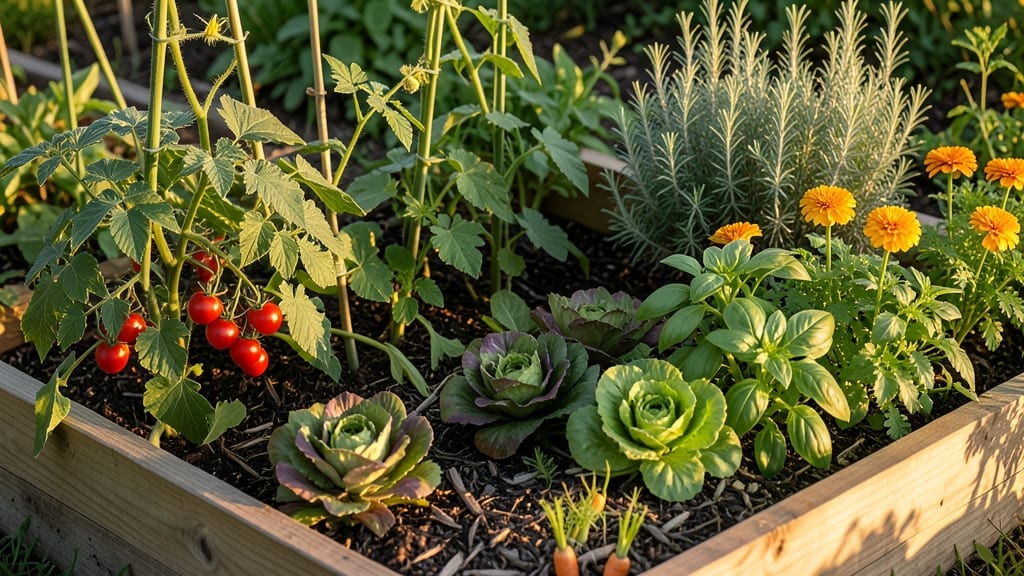
Joining the Hayward Community Garden gives you shared gardening plots, expert-led workshops on organic methods, and seasonal planting advice, with an application process that includes residency proof and a small participation fee.
The Hayward Community Garden isn't just about growing plants—it's a hub for learning and collaboration. 🌱 Whether you're a beginner or seasoned gardener, you'll gain access to rare seed varieties and pest management tips from experienced members.
The garden's workshops cover everything from composting to hydroponics, making it easier to grow thriving, sustainable crops. Plus, the shared resources reduce costs and waste, creating a greener space for everyone.
Applications open annually, and spots fill fast, especially for prime sunlit plots. You'll need to submit proof of Hayward residency and pass a quick background check—don't worry, it's straightforward. The fee helps maintain the garden's tools and irrigation systems, ensuring everyone has equal access to high-quality growing conditions.
Pro tip: Apply early if you want a plot near the community shed for easier tool access!
💡 In This Article
- How Hayward Community Garden Membership Benefits Gardeners
- Step-by-Step Guide to Applying for Hayward Community Garden Plots
How Hayward community garden membership benefits gardeners
The Hayward Community Garden transforms gardening from a solo hobby into a collaborative ecosystem where knowledge and resources flow freely. 🌱 One of the biggest advantages is access to shared tools and equipment, including high-quality trowels, compost spreaders, and even greenhouses for seedlings.
Instead of investing hundreds in personal gear, members pay a small annual fee that covers maintenance and upgrades—think of it as a gardening co-op with professional-grade tools at your fingertips.
Workshops are another standout benefit, offering hands-on training from local experts. For example, the garden's organic pest control workshop teaches how to use neem oil and companion planting to deter aphids without chemicals.
The seasonal planting guides provided are data-backed, showing exact planting dates for Hayward's USDA Zone 9b climate—like starting tomatoes indoors by March 15th for optimal summer harvests. These resources help even beginners achieve yields that would take years to master alone.
Pest management is where the garden truly shines. Experienced members monitor plots for common issues like cucumber beetles or slugs, then share real-time alerts through the garden's group chat.
The collective approach means fewer losses—last year, 85% of members reported healthier crops compared to 50% in previous years when working independently. This shared vigilance creates a resilient growing environment that adapts to Hayward's specific microclimates and soil conditions.
For those interested in heirloom varieties, the garden's seed library is a game-changer. You'll find rare tomatoes like 'Brandywine' or peppers like 'Aji Charapita' that aren't available at big-box stores. The library operates on a "borrow and share" system, ensuring seed diversity while keeping costs near zero.
This access to genetic diversity helps gardeners build more robust, disease-resistant plants—critical in Hayward's humid summers where fungal diseases thrive.
The garden's water conservation system also sets it apart. Drip irrigation lines installed in 2020 reduced water usage by 40% compared to traditional methods, while the shared rainwater collection barrels provide free irrigation for members.
This sustainability focus isn't just good for the planet—it means lower water bills and more consistent yields during Hayward's occasional drought periods.
What makes these benefits truly valuable is how they compound over time. A first-year member might start with basic workshops, but by year three, they're contributing their own expertise—perhaps leading a workshop on vertical gardening or troubleshooting soil pH imbalances.
The garden creates a feedback loop where everyone's success lifts the entire community, making it more than just a plot of land—it's a living classroom for sustainable agriculture. 💫