
Tools
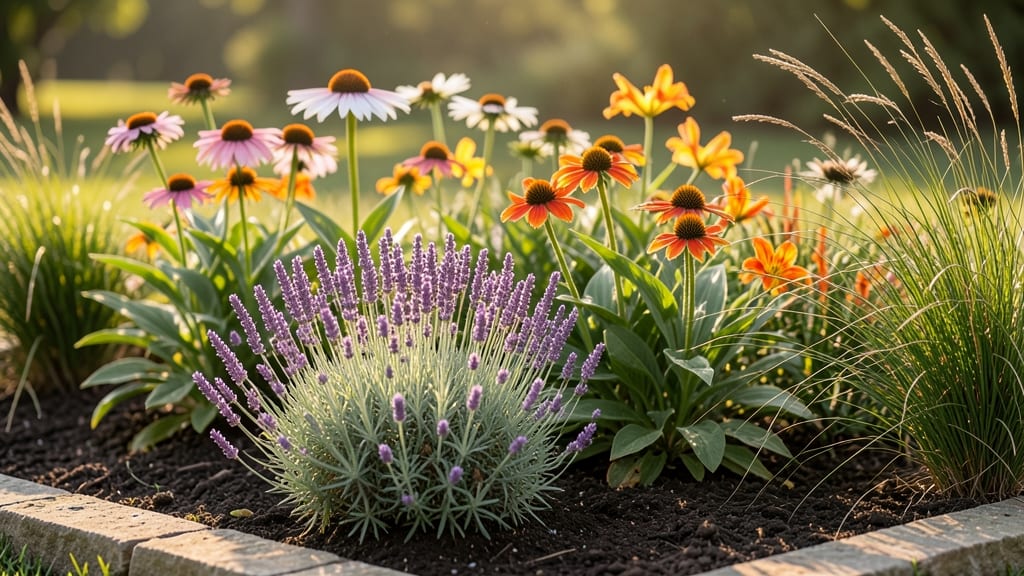
The best place for a garden depends on sunlight, soil, and space — but getting these three right can transform your patch of earth from a struggle into a thriving oasis 🌱.
Struggling to decide where to plant your garden? The right location can mean the difference between a lush, productive harvest and struggling plants that barely survive.
Sunlight is the most critical factor — most vegetables and flowers need at least 6 hours of direct light, while shade-loving plants like ferns thrive in dappled areas. But it’s not just about sun: soil drainage, wind protection, and even nearby trees can make or break your garden’s success.
Below, I’ll walk you through how to assess your property’s natural features, match plants to the perfect spot, and even uncover unexpected garden locations that work surprisingly well — whether you’re in a backyard, balcony, or urban lot.
Optimal sunlight requirements for different plant types in garden locations
Choosing the best place for a garden starts with understanding how much sunlight your plants truly need. Not all plants thrive in the same conditions—some crave full sun exposure, while others prefer partial shade or even deep shade.
Matching your plants to the right spot ensures healthier growth and better yields. Let's break down the sunlight needs for common plant categories and how to map them to your garden's natural light zones.
First, assess your garden's sunlight patterns. Observe how sunlight moves across your yard throughout the day—morning sun casts long shadows, while afternoon sun hits more directly. South-facing areas typically receive the most sunlight, followed by west-facing spots.
East-facing gardens get gentle morning light, and north-facing spots often remain shady. Use this knowledge to strategically place plants based on their light requirements.
| Plant Type | Sunlight Needs | Best Garden Location | Examples |
|---|---|---|---|
| Vegetables | 6-8+ hours | South or west-facing beds | Tomatoes, peppers, cucumbers |
| Herbs | 4-6 hours | Partial sun spots (morning sun) | Basil, parsley, cilantro |
| Flowers | 4-6 hours (varies) | East or south-facing borders | Marigolds, sunflowers, impatiens |
| Shade-Tolerant Plants | 2-4 hours (or less) | North-facing or under trees | Hostas, ferns, astilbe |
| Fruit Trees | 6-8+ hours | Open, south-facing areas | Apple, peach, cherry |
For vegetables like tomatoes and peppers, aim for 6-8+ hours of full sun in the most productive part of your garden. These plants thrive in south or west-facing beds where they receive intense afternoon sunlight.
If your garden lacks full sun, consider using reflective surfaces like white gravel or light-colored mulch to maximize light exposure.
Herbs often get overlooked but have specific needs too. Basil and oregano love 4-6 hours of morning sun, making east-facing spots ideal.
Avoid placing them in hot afternoon sun, which can scorch their leaves. Parsley and cilantro, on the other hand, tolerate partial shade, so they’re perfect for dappled sunlight areas under trees or near structures.
When it comes to flowers, diversity is key. Sun-loving varieties like marigolds and sunflowers need 6+ hours of sun, while shade-friendly impatiens and ferns thrive in 2-4 hours of indirect light.
Create layered garden beds with taller sun-lovers at the back and shade-tolerant plants in front to maximize space and visual appeal.
Don’t overlook shade-tolerant plants for areas under trees or along north-facing walls. Hostas and astilbe add texture and color without competing for sunlight. These plants often reward gardeners with longer blooming seasons because they’re not stressed by heat.
Use them to soften harsh shadows and add greenery to otherwise overlooked corners of your garden.
If you’re working with limited space or urban constraints, prioritize plants that match your available light. A balcony garden with east-facing exposure? Opt for herbs and leafy greens. A south-facing patio?
Try compact vegetables like cherry tomatoes or peppers. Even deep shade areas can support plants like mosses or shade-loving ground covers for a lush, low-maintenance look.
Pro tip: Use movable containers to adjust plant placement as sunlight patterns change with the seasons. For example, move potted herbs from morning sun to afternoon shade during peak summer heat. This flexibility ensures your plants get the optimal sunlight they need year-round.
Finally, observe your garden throughout the day to identify microclimates—small areas with unique light conditions. A spot near a fence might get less sun than the open yard, while a south-facing slope could be a hotspot.
Use these observations to strategically place plants and create a balanced, thriving garden that works with nature, not against it.
By matching plant types to sunlight zones, you’ll create a garden that’s not only beautiful but also productive and sustainable. Start small, experiment with different placements, and watch your plants reward you with healthier growth and bountiful harvests! 🌱☀️🌿
How to assess soil quality and space constraints in potential garden spots
Choosing the best place for a garden starts with understanding your soil quality and available space constraints. Healthy soil provides essential nutrients, while proper spacing ensures plants thrive without competing for resources. Let’s break down how to evaluate these critical factors before digging in.
First, assess your soil drainage by performing a simple water test. Dig a small hole, fill it with water, and observe how quickly it drains. If water pools for more than an hour, your soil is clay-heavy and may need amendments like sand or compost.
Well-draining soil should absorb water within 30-60 minutes.
Raised Beds vs. In-Ground Planting
Raised Beds
- Pros: Better drainage, warmer soil, customizable soil mix
- Cons: Higher initial cost, limited space for large plants
In-Ground Planting
- Pros: Lower cost, larger planting area, natural soil structure
- Cons: Poor drainage risk, soil quality depends on location
Next, test your soil pH using a pH tester kit or send a sample to a local extension office. Most vegetables prefer a slightly acidic to neutral pH (6.0-7.0), while blueberries thrive in acidic soil (4.5-5.5).
Adjust pH with lime to raise it or sulfur to lower it, following package instructions carefully.
Measure your available space by sketching your garden layout. Consider the mature size of plants—tomatoes need 18-24 inches of space, while sunflowers require 12-18 inches. If space is limited, opt for vertical gardening or container gardening to maximize growth without overcrowding.
Improve soil nutrients by adding organic matter like compost or aged manure. Work it into the top 6-12 inches of soil before planting. For poor-quality soil, consider planting cover crops like clover or vetch in the off-season to enrich the soil naturally.
Finally, observe your garden spot throughout the day. Note how sunlight shifts and where shade patterns fall. Combine this with your soil assessment to match plant types to their ideal conditions—sun-lovers like tomatoes in full sun, while leafy greens prefer partial shade.