
Tools
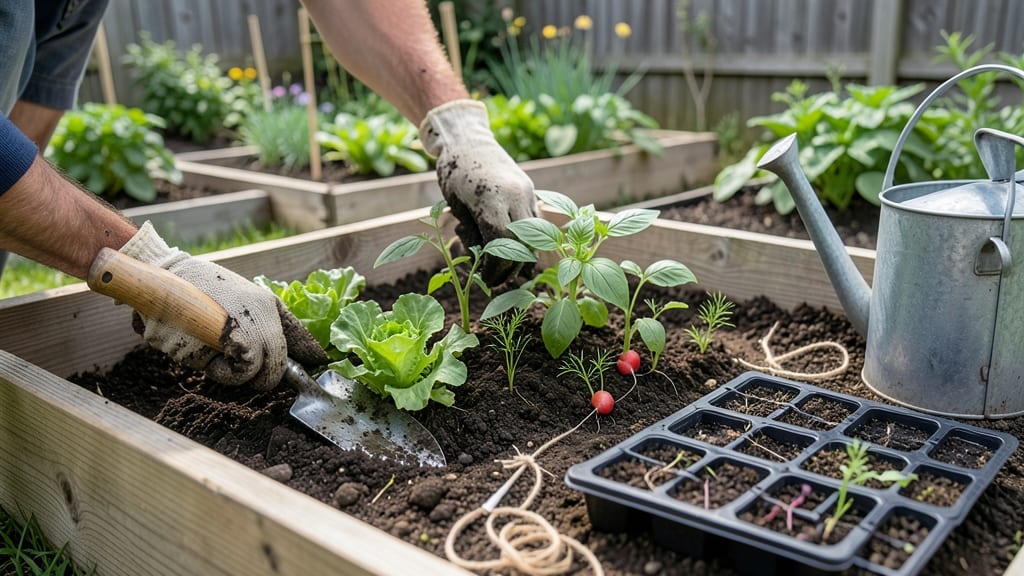
An 8x8 raised garden turns even the smallest outdoor space into a high-yield growing powerhouse—ideal for urban balconies, patio corners, or backyard corners with limited room.
Imagine harvesting fresh tomatoes, leafy greens, and herbs from just 64 square feet—no sprawling rows or wasted space. This isn’t just gardening; it’s a game-changer for anyone who wants flavorful produce without the commitment of a full yard.
Whether you’re a beginner or a seasoned grower, the right layout can double your harvest while keeping weeds and pests at bay. Below, I’ll walk you through space-saving designs, companion planting tricks, and soil secrets to make your 🌱 8x8 raised garden thrive all season long.
From crop rotation plans to material choices that last, you’ll learn how to maximize every inch—so you can enjoy a bountiful harvest without the headache.
Optimal 8x8 raised garden layouts for maximum yield
Transforming an 8x8 raised garden into a high-yield powerhouse starts with smart planning. The key is using square-foot gardening principles—dividing your 64 square feet into 16 one-foot squares to maximize space efficiency.
This method lets you grow more by eliminating wasted space between plants, a game-changer for small gardens like yours.
I’ve designed layouts that combine companion planting and crop rotation to boost yields while keeping pests at bay. For example, pairing basil with tomatoes repels pests naturally, while carrots and onions deter each other’s pests. These pairings aren’t just theory—they’re battle-tested strategies that work in real 8x8 beds.
Here’s how to structure your bed for peak productivity: Start with a grid layout where each 1-foot square hosts a different crop or group of crops. Tall plants like tomatoes or peppers go on the north side to avoid shading shorter plants.
Leafy greens and herbs thrive in the sunniest southern exposure, while root vegetables like radishes or beets need consistent moisture.
For spring planting, focus on cool-season crops like lettuce, spinach, and peas in the north half of your bed. These thrive in cooler temps and won’t bolt in early summer heat.
In the southern half, plant radishes or green onions—they grow quickly and clear space for summer crops like tomatoes and peppers by June.
One of my favorite layouts is the "Four Seasons Square", where each quadrant represents a different season’s crops. For example, the northwest quadrant hosts winter greens (kale, arugula), while the southeast becomes a summer herb garden (basil, cilantro, dill).
This keeps your harvests diverse and your bed productive year-round.
Don’t forget to leave 1-foot pathways between beds for easy access. In an 8x8 raised garden, this means placing your bed on a 4x4 grid with walkways in between. Use mulch to suppress weeds and retain moisture—straw or wood chips work perfectly and keep your garden looking tidy.
To maximize yield, I recommend succession planting fast growers like bush beans or lettuce. Plant a new batch every 2-3 weeks, ensuring a continuous harvest.
For example, in a 1-foot square, you can fit 9 radishes in early spring, then replace them with 9 bush beans by late May, and finally 9 carrots in early summer.
Pro tip: Use dwarf varieties of fruits and vegetables to save space. For instance, bush beans and dwarf tomatoes take up less room than their full-sized counterparts. Pair them with trailing plants like cucumbers or zucchini to utilize vertical space without sacrificing sunlight for ground crops.
Finally, keep a planting journal to track what works in your 8x8 garden. Note which crops thrive, which struggle, and how companion pairings perform. Over time, you’ll refine your layout to create a personalized high-yield system tailored to your climate and taste preferences. 🌱
Best crops for an 8x8 raised garden by season
Your 8x8 raised garden can produce an abundance of food year-round with the right seasonal planning. Each season offers unique opportunities—cool-weather crops thrive in spring and fall, while heat-loving plants shine in summer.
I’ll break down the best high-yield crops for each season, including fast-growing varieties and vertical gardening options to maximize your 64 square feet.
Start with spring crops like lettuce, radishes, and peas, which tolerate cooler temperatures and mature quickly. These plants create space for summer staples like tomatoes, peppers, and cucumbers as temperatures rise.
Don’t forget herbs and flowers—basil, cilantro, and marigolds add flavor and beauty while deterring pests. For fall, switch to kale, carrots, and spinach, which thrive in cooler weather.
For fast-growing crops, prioritize radishes, lettuce, and bush beans—they mature in as little as 3-4 weeks, giving you quick rewards. Use succession planting by sowing new seeds every 2-3 weeks to keep a steady harvest.
For example, plant radishes in early spring, then again in late summer for a fall crop.
Make the most of vertical space with trellising for cucumbers, pole beans, and peas. These plants grow upward, freeing up valuable ground space for other crops. Install a simple trellis or cage along one side of your raised bed—it’s a game-changer for compact growing.
Pair climbing plants with shallow-rooted companions like lettuce or herbs to optimize every inch.
Extend your harvest into late fall by using row covers or cold frames to protect tender crops. Hardy varieties like kale and carrots can often survive light frosts, while others like spinach and arugula become sweeter after a frost.
Plan your fall succession crops in early summer so they’re ready to harvest before winter sets in.
Don’t overlook herbs and flowers—they’re low-maintenance, high-reward additions. Basil, cilantro, and thyme thrive in small spaces, while marigolds and nasturtiums deter pests naturally. Place them near your tomatoes or peppers to create a thriving, pest-resistant ecosystem.
With these seasonal strategies, your 8x8 raised garden will stay productive from spring to frost. 🌱