
Vegetables
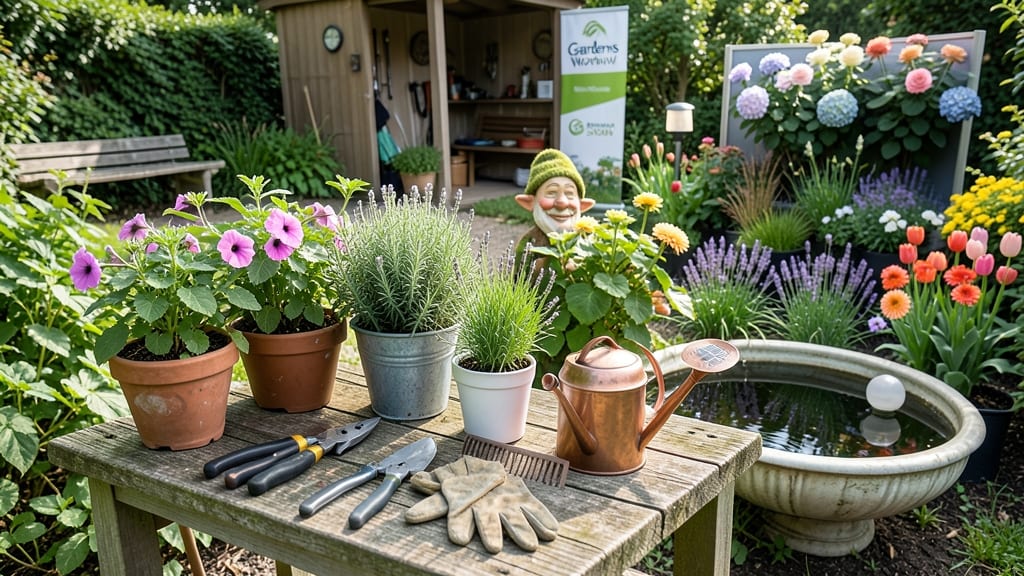
The Gardens World Show showcases breathtaking botanical displays, hands-on workshops led by horticulture experts, and immersive exhibits featuring rare plants, eco-friendly gardening methods, and innovative cultivation technologies. Attendees can wander through themed gardens, connect with industry leaders, and uncover the latest trends in sustainable landscaping.
The Gardens World Show is a must-visit for plant enthusiasts and green thumbs alike, offering a perfect blend of education and inspiration. 🌿 This annual event transforms into a living classroom where you can see drought-resistant plants in action, learn about heirloom varieties from master growers, and even get hands-on with hydroponic setups.
What sets it apart is the mix of practical knowledge—like how to revive struggling houseplants—and aspirational designs, from vertical gardens to pollinator-friendly landscapes.
Whether you're a seasoned gardener or just starting your green thumb journey, the show's interactive exhibits make complex concepts accessible.
For example, the "Future of Food" pavilion demonstrates how urban farming can thrive in small spaces, while the rare orchid collection offers a glimpse into botanical wonders most of us only see in magazines.
Pro tip: Arrive early to secure spots in popular workshops, and bring a notebook—you'll leave with more than just pretty pictures!
💡 In This Article
- Key Highlights and Themed Gardens at This Year’s Show
- Pro Tips for Maximizing Your Visit to the Gardens World Show
Key highlights and themed gardens at This year’s show
The Gardens World Show transforms into a vibrant botanical playground, where each themed garden tells a unique story.
The Tropical Oasis recreates lush rainforest conditions with humidity levels around 70-80% and temperatures maintained at 75-85°F—ideal for showcasing rare ferns, bromeliads, and orchids like the Cattleya labiata, whose blooms can reach 6-8 inches in diameter.
Visitors can see how these plants thrive in layered canopies, mimicking their natural habitats with drip irrigation systems that deliver water directly to roots while keeping foliage dry.
For those focused on sustainability, the Drought-Resistant Paradise garden is a masterclass in water conservation. Here, plants like agave and yucca demonstrate how to flourish with as little as 1 inch of water per month once established.
The exhibit includes a live demonstration of mulching techniques using wood chips, which reduce evaporation by up to 30% while suppressing weeds. 🌵 This section also features native grasses that require zero irrigation after the first growing season—a game-changer for modern landscapes.
The Pollinator-Friendly Meadow offers a sensory experience unlike any other, with 15+ varieties of wildflowers strategically planted to bloom sequentially from spring through fall. Bees and butterflies create a dynamic, living tapestry as they move between purple coneflowers (which attract monarchs) and black-eyed Susans (a magnet for honeybees).
The exhibit explains how this diversity supports pollinator health, with signs detailing which plants provide nectar, pollen, or shelter at different life stages.
Don’t miss the Heirloom Vegetable Garden, where master growers demonstrate how 100-year-old tomato varieties like the Brandywine produce fruits weighing 1-2 pounds each—far larger than modern hybrids.
The garden compares traditional breeding methods with modern genetic techniques, showing how flavor profiles (measured on a 1-10 taste scale) often peak in heirloom varieties despite lower yields.
Visitors can sample these tomatoes straight from the vine, experiencing the difference between 2.5% sugar content in heirlooms versus 1.5% in commercial varieties.
Behind the scenes, the Cutting-Edge Greenhouse reveals futuristic growing technologies. Here, you’ll see vertical farming systems that stack plants 20 feet high while using 95% less water than traditional methods.
LED grow lights tuned to specific wavelengths (like 450nm blue for leafy greens) demonstrate how artificial lighting can replace sunlight entirely. The exhibit even includes a hydroponic strawberry tower producing 3x more berries per square foot than ground cultivation.
For plant nerds, the Rare Orchid Conservatory is the crown jewel, housing 50+ species from around the world. The Ghost Orchid (Dendrophylax lindenii), for example, is so elusive that fewer than 100 plants exist in cultivation—its translucent white blooms emerge from ghostly vines that cling to cypress trees.
Curators explain how these orchids rely on specific mycorrhizal fungi for nutrients, a relationship that takes 5-7 years to establish. The exhibit also highlights conservation efforts, showing how climate change threatens 30% of orchid species with habitat loss.