
Flowers
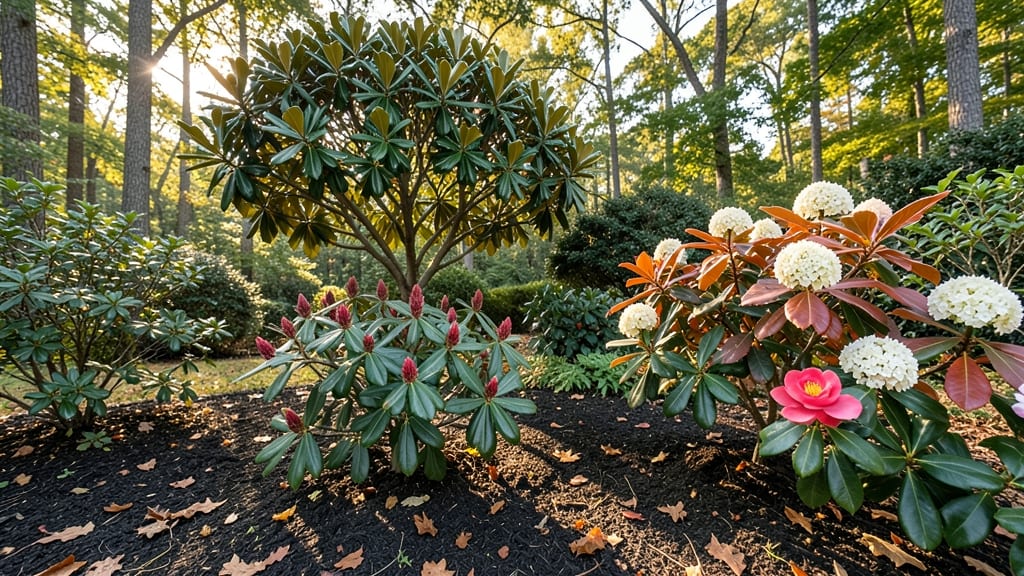
Exploring gardens in Ball Ground Georgia reveals vibrant native plant collections at spots like the Ball Ground City Park Botanical Garden and Garden Park at the Georgia Mountains Center, offering year-round beauty with educational trails for all visitors.
Ball Ground’s public gardens stand out for their commitment to showcasing region-specific flora that thrives in Georgia’s Piedmont climate. 🌿 These native collections require minimal watering once established, making them both ecologically sound and low-maintenance for visitors.
The gardens also serve as vital habitats for local pollinators like bees and butterflies, creating a self-sustaining ecosystem that changes dramatically with each season.
The area’s four distinct seasons transform these gardens into ever-evolving landscapes. Spring brings wildflowers and azaleas, summer showcases sun-loving perennials, autumn displays fiery foliage, and winter reveals structured evergreens.
Many gardens offer free admission and self-guided trails, making them perfect for families or nature enthusiasts looking to connect with the local environment.
💡 In This Article
- Why Native Plant Gardens Thrive in Ball Ground’s Climate
- Best Public Gardens for Seasonal Plant Viewing in Ball Ground
Why native plant gardens thrive in Ball Ground’s climate
Ball Ground’s gardens flourish because they’re designed around plants perfectly adapted to Georgia’s Piedmont region. The area’s climate—with hot summers (85-95°F), mild winters (30-50°F), and 45-55 inches of annual rainfall—creates ideal conditions for native species like black-eyed Susans and oakleaf hydrangeas.
These plants evolved here, developing deep root systems that access groundwater during dry spells and tolerate the region’s slightly acidic, clay-heavy soil without needing chemical amendments. 🌱
The ecological advantage is twofold: native plants require 30-50% less water once established compared to non-native species, and their flowers provide nectar for Georgia’s declining pollinator populations.
For example, the Ball Ground City Park Botanical Garden features milkweed, which supports monarch butterflies during their migration—a critical food source that’s disappearing in many urban areas. The garden’s layered planting design also mimics natural ecosystems, with taller species shading ground covers to conserve moisture.
Seasonal transitions create dramatic visual shifts. Spring’s 40-60°F temperatures trigger blooms like trilliums and bloodroot, while summer’s humidity (often 70-80%) encourages lush foliage in plants like Japanese holly.
Autumn’s cooler air (50-70°F) brings fiery hues from sumacs and sweetgums, and winter’s 35-45°F temperatures reveal evergreens like Eastern red cedar that provide year-round structure. This cyclical beauty makes the gardens educational living classrooms about regional ecology.
One often-overlooked benefit is how native gardens reduce maintenance costs. Without importing water-thirsty species or synthetic fertilizers, these spaces stay vibrant with minimal intervention.
The Georgia Mountains Center’s Garden Park, for instance, uses mulch made from local wood chips to retain soil moisture and suppress weeds—an approach that mirrors natural forest understories. This low-impact design also makes the gardens more sustainable for public use.
The climate’s variability actually enhances biodiversity. Freeze events (below 28°F) prune back invasive species while preserving hardy natives, and summer heat waves test drought tolerance.
Visitors can observe these adaptations firsthand, like how southern magnolias drop leaves during droughts but regrow quickly when rains return—a survival strategy that’s less common in non-native plants. This resilience makes Ball Ground’s gardens both beautiful and ecologically robust.
For gardeners, this means you can replicate these benefits at home. Start with native species from local nurseries and mimic the layered planting seen in public gardens.
The Georgia Native Plant Society offers regional plant lists tailored to your specific microclimate—whether you’re in Ball Ground’s 1,800-foot elevation zone or nearby areas with slightly different conditions. 🌿