
Planting
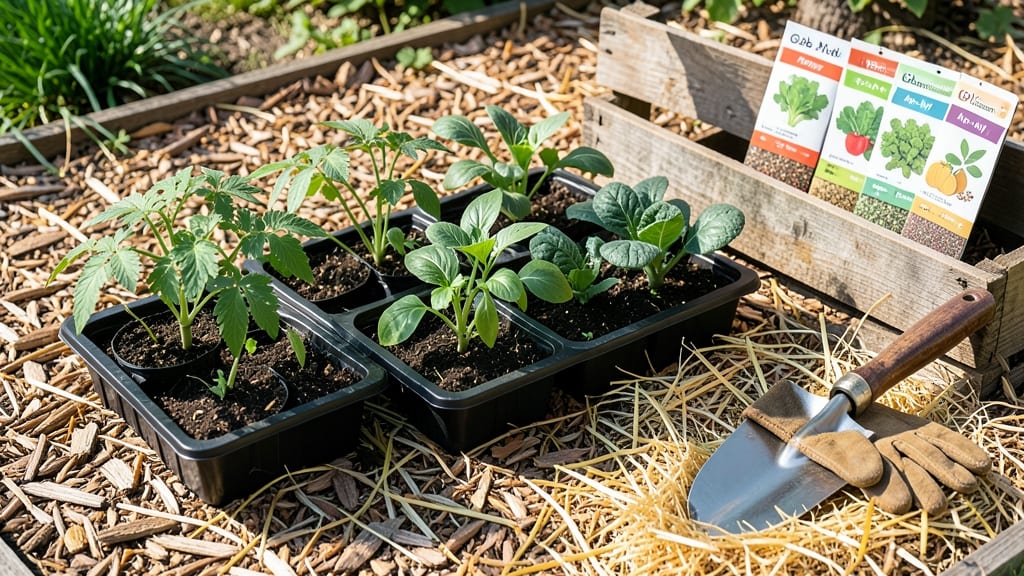
Planting a garden in Georgia at the right time means the difference between a bumper crop and a sad, wilted mess — and the best window opens earlier in the south than in the mountains.
Picture this: you’ve spent months dreaming of fresh tomatoes and fragrant azaleas, only to watch them freeze overnight because you planted too soon. Or worse, you wait too long, and the heat arrives before your seedlings even think about flowering. Georgia’s climate is forgiving, but timing is everything.
From the Coastal Plain’s early springs to the Piedmont’s moderate shifts and the Mountains’ late frosts, each region has its own rhythm.
Below, I break down the exact frost-free dates by zone, the best months for vegetables, flowers, and perennials, and how to adjust for Georgia’s unpredictable weather — so you can finally stop guessing and start growing.
You’ll learn how to read soil temperatures, when to start seeds indoors, and which crops thrive in Georgia’s heat (like okra and peaches) without wilting. No more wasted seeds or disappointed dreams — just a garden that actually produces.
Georgia planting zones: frost-free dates by region (2024 guide)
Georgia’s diverse climate—from the cool mountain valleys of North Georgia to the humid coastal plains—creates wildly different planting windows. Knowing your USDA zone and average last frost date is the first step to a thriving garden.
For example, Zone 7a areas like Blairsville may see frost until April 15, while Zone 8b in Savannah enjoys frost-free conditions by February 15. These differences mean your neighbor’s planting schedule might not work for you!
Microclimates add another layer of complexity. Urban areas like Atlanta (Zone 7b-8a) often experience urban heat islands, delaying frost by 1-2 weeks compared to rural areas.
Meanwhile, valley locations like Dalton can be 5-10°F colder than nearby ridges. Always check local weather records and consider your specific elevation and exposure when planning.
Below is a zone-by-zone breakdown of Georgia’s frost-free dates, including historical averages and key planting windows. Use this as your starting point, then adjust based on your garden’s unique conditions.
Remember: warm-season crops like tomatoes and peppers need soil temperatures above 60°F to thrive, while cool-season crops like lettuce and broccoli can handle lighter frosts.
🌱
In Zone 7a, gardeners in the Blue Ridge Mountains should wait until mid-April to plant warm-season vegetables, as late frosts are common. Start cool-season crops like peas and spinach in early March under row covers.
The shorter growing season means prioritizing fast-maturing varieties and using season extenders like cold frames.
For Zone 8b gardeners in Savannah or Brunswick, the early frost-free date means you can plant warm-season crops like okra and sweet potatoes as early as February. However, summer heat and humidity can stress plants, so focus on heat-tolerant varieties and provide afternoon shade for delicate crops.
Fall planting can continue until late November for crops like collards and turnips.
Atlanta’s Zone 7b-8a climate offers a balance, but urban heat islands can create microclimates where sidewalks and buildings delay frost by up to 2 weeks. Use a soil thermometer to confirm when soil reaches 60°F for warm-season crops.
Rural areas may experience earlier frosts, so monitor local weather forecasts and have row covers ready for late spring or early fall plantings.
Pro tip: Track your garden’s frost dates for 3-5 years to identify patterns. For example, my garden in Zone 8a Macon saw frost as late as April 5 in 2022, delaying my tomato planting by 2 weeks. Adjust your schedule based on these observations rather than relying solely on averages.
🌿
If you’re new to Georgia gardening, start with cool-season crops like lett
Best planting schedule for Georgia vegetables, flowers, and herbs
Georgia’s extended growing season lets you plant almost year-round, but timing matters for success. Cool-season crops like kale and broccoli thrive in spring and fall, while warm-season favorites such as tomatoes and peppers need summer’s heat.
Even herbs like basil have ideal planting windows to avoid bolting or wilting. Let’s break down the best months for each category based on Georgia’s diverse climate zones.
For North Georgia (Zones 7a-7b), where frosts linger until mid-April, start cool-season crops indoors in February. In contrast, South Georgia (Zones 8a-8b) can plant warm-season crops like okra and sweet potatoes as early as March.
The key is matching your plant’s needs with your local frost dates and soil temperatures.
🌱 Georgia Planting Timeline by Category
- 🌿 Cool-Season Vegetables (Kale, Broccoli, Spinach)
Plant: February-March (spring) or August-September (fall). Use row covers for late frosts. - 🍅 Warm-Season Vegetables (Tomatoes, Peppers, Okra)
Plant: April-May (after last frost) or July-August (succession plant). Okra thrives in Georgia’s heat! - 🌼 Flowers (Marigolds, Zinnias, Petunias)
Plant: March-April (spring) or August (fall). Marigolds deter pests naturally. - 🌿 Herbs (Basil, Cilantro, Parsley)
Plant: March-April (basil) or September (cilantro). Basil bolts in summer heat—plant in partial shade. - 🌱 Succession Planting Tips
Sow lettuce every 2 weeks from March to October for continuous harvests. Replace spent plants with fast growers like radishes.
Georgia’s heat-tolerant varieties shine in summer. Try ‘Clemson Spineless’ okra, which thrives in the humidity, or ‘Celebrity’ tomato, a disease-resistant favorite. For herbs, basil loves the heat but needs consistent moisture, while cilantro bolts quickly—plant it in fall for a longer harvest.
Don’t overlook fall planting! Many gardeners forget that crops like collards and turnips grow sweeter after a light frost. Start seeds in August for a September harvest, and use mulch to protect young plants from early chills. This “second season” extends your garden’s productivity.
Pro tip: Use a soil thermometer to check when soil reaches 60°F for warm-season crops or 50°F for cool-season starts. Georgia’s unpredictable weather means flexibility—always have backup dates ready for late frosts or early heatwaves.
With this schedule, you’ll maximize your garden’s potential year-round. Whether you’re growing heat-loving peppers or frost-hardy kale, timing is everything in Georgia’s diverse climate! 🌱