
Tools
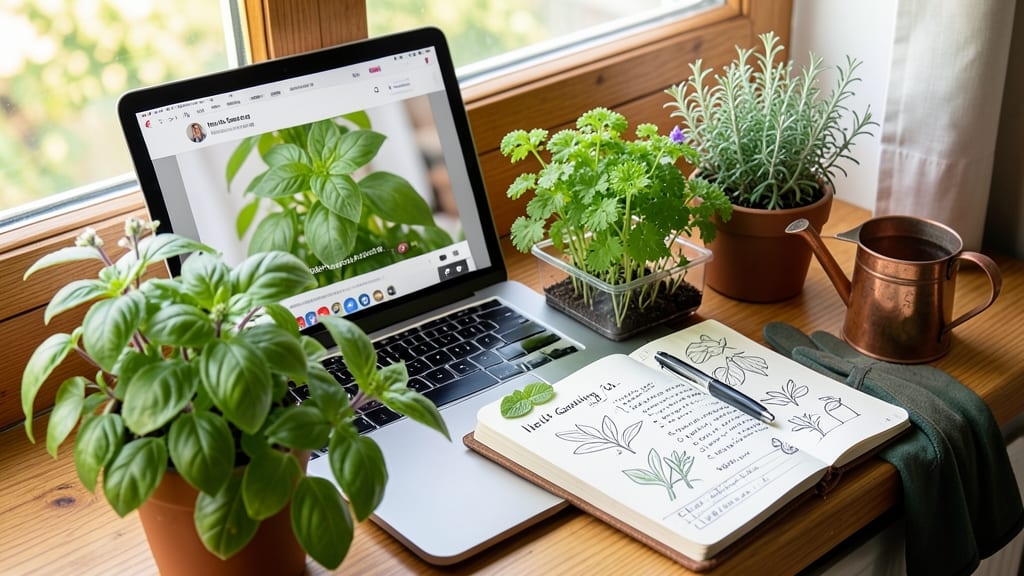
Online gardening schools provide accredited horticulture education that combines classroom theory with practical certifications, covering topics like plant biology, organic growing techniques, and eco-friendly landscaping through interactive digital tools and expert mentorship. Leading programs like Penn State's World Campus and Michigan State University Extension deliver career-ready training with flexible scheduling.
These programs stand out by replicating real-world gardening challenges through virtual simulations and remote project submissions. 🌱 For example, students might analyze soil samples using digital microscopes or design sustainable garden layouts with 3D modeling software.
The best online schools partner with local nurseries for hands-on components, ensuring graduates gain both theoretical knowledge and practical skills—perfect for those balancing work, family, or travel while pursuing green-thumb expertise.
What sets truly valuable programs apart is their certification focus. Look for credentials like the Certified Professional Horticulturist (CPH) or Organic Crop Production Specialist designations, which require passing exams and often include fieldwork components.
Many states also recognize these certifications for professional licensing, making them particularly valuable for careers in agriculture or landscape design. Always verify accreditation through organizations like the American Association of State Horticultural Societies (AASHS) or your state's agricultural extension office.
💡 In This Article
- How Online Gardening Programs Deliver Hands-On Learning
- Key Certifications to Look For in Accredited Online Gardening Courses
How online gardening programs deliver hands-on learning
Online gardening programs replicate real-world horticulture through advanced digital tools that bridge the gap between theory and practice. At the core are virtual plant labs, where students use high-resolution 3D plant models to study growth patterns, leaf structures, and root development at microscopic scales—something impossible in traditional classrooms.
For instance, Penn State's World Campus offers soil science modules where students analyze virtual soil samples using digital microscopes that simulate 100x magnification, revealing microbial communities and organic matter composition with precision.
The technology extends to interactive garden simulations that let students experiment with variables like sunlight exposure, watering schedules, and pH levels in real time. These platforms track outcomes—such as how tomato plants respond to 6 hours of direct sunlight vs. 4 hours
Michigan State University Extension takes this further with remote project submissions, where students photograph their own gardens or community plots, upload them to the platform, and receive feedback from instructors using annotated overlays. This mirrors the diagnostic process of professional horticulturists but with the flexibility of online learning. What makes these tools so effective is their ability to combine quantitative data with qualitative observations. For example, a student studying compost decomposition might monitor temperature changes in a virtual compost bin (ideal range: 135-160°F for optimal microbial activity) while also analyzing the texture and aroma of real compost samples they collect locally. This dual approach ensures graduates develop both analytical skills and practical intuition—critical for careers in organic farming or landscape design. However, the most successful programs don't rely solely on digital tools. They integrate partnerships with local nurseries, farms, and botanical gardens to create hybrid learning experiences. Students might receive seed packets to grow specific varieties, then document their progress through photo journals or live video check-ins with instructors. Some schools even offer mobile lab kits, which include pH testers, moisture meters, and seed-starting trays—delivered to students' doorsteps—so they can conduct experiments in their own backyards or community gardens. The result is a learning experience that feels surprisingly tactile, despite being online. When you're analyzing a virtual hydrangea leaf for signs of powdery mildew, you're simultaneously receiving feedback on how to treat a real plant in your garden. This fusion of digital precision and hands-on application is what sets modern online gardening education apart from traditional methods—and why it's gaining traction among professionals and hobbyists alike. Consider this: A student in Texas might study drought-resistant plants in a virtual lab, then apply those lessons to their own xeriscape project, while a learner in Maine could focus on cold-hardy perennials. The adaptability of these programs ensures relevance regardless of geographic location, making them ideal for anyone serious about mastering horticulture without relocating. 🌱