
Flowers
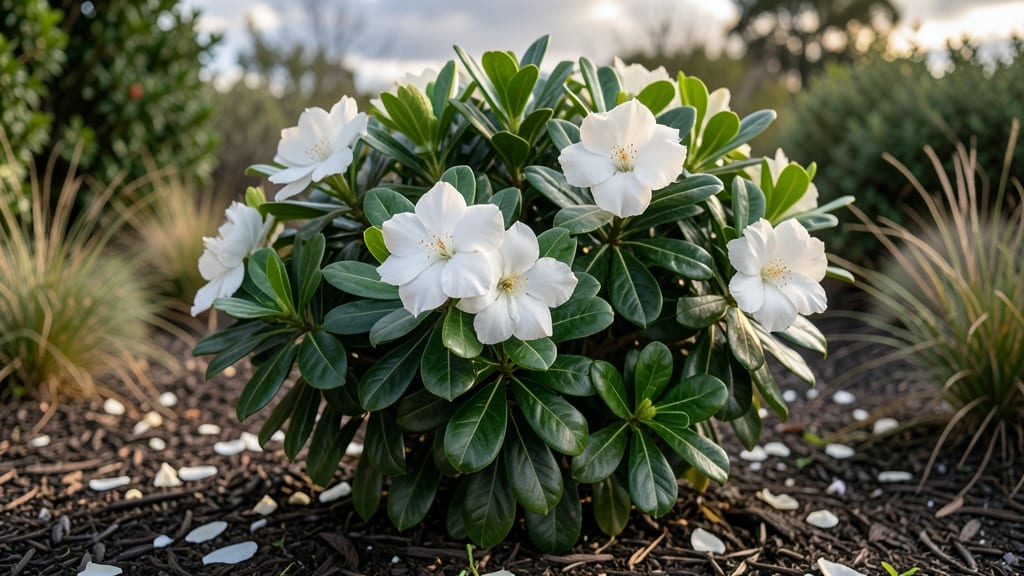
Growing gardenias in Texas is absolutely possible with the right heat-resistant varieties and care routine. Choose tougher cultivars like 'Radicans' or 'Kleimschmidtiana,' plant them in partial shade, water deeply 2-3 times weekly, and use mulch to shield roots from scorching temperatures.
Texas's brutal summers can stress gardenias, but these tropical beauties actually love the heat when given the right support. 🌿 The key is selecting varieties bred for heat tolerance—like 'Radicans' with its glossy leaves and 'Kleimschmidtiana' with its compact growth—while shielding them from direct afternoon sun.
I've found that amending soil with sand improves drainage, which prevents root rot during our intense heatwaves. The real secret? Consistent moisture without soggy soil, achieved through deep watering and thick mulch layers that act like insulation for those delicate roots.
What many Texas gardeners overlook is the need for seasonal adjustments. During our peak summer months, I recommend reducing fertilizer use since gardenias go semi-dormant to conserve energy. A light pruning in late summer also helps maintain shape while promoting new growth for next season's blooms.
With these tailored techniques, you can enjoy fragrant gardenias year after year in even the hottest Texas zones.
💡 In This Article
- Heat-Resistant Gardenia Varieties for Texas Climates
- Texas-Specific Gardenia Planting and Maintenance Guide
Heat-resistant gardenia varieties for Texas climates
Texas gardeners face a unique challenge with gardenias—their tropical origins make them sensitive to our intense heat and humidity swings. The key to success lies in selecting varieties specifically bred to handle these conditions.
For example, 'Radicans' stands out for its exceptional heat tolerance, thanks to its native habitat along coastal regions where temperatures often exceed 95°F.
This variety develops a thicker cuticle on its leaves, which acts like a natural sunscreen, reducing water loss during our scorching afternoons. 🌞 The glossy dark green foliage also helps reflect excess sunlight away from the plant's core.
Another top performer is 'Kleimschmidtiana,' which thrives in Texas's Zone 8-9 climates by producing smaller, more compact blooms that require less energy to maintain.
Unlike traditional gardenias that may struggle with 100°F+ temperatures, these varieties have adapted through selective breeding to handle our summer heatwaves while still producing that signature intoxicating fragrance. The trade-off?
They may bloom slightly later in the season compared to tropical varieties, but the trade-off is worth it for their reliability in our climate.
What most gardeners don't realize is how Texas's heat affects the blooming cycle. When temperatures consistently exceed 90°F for extended periods, gardenias enter a semi-dormant state to conserve energy.
This is why you might see fewer blooms during peak summer—it's not a sign of poor health, but rather the plant's survival mechanism. The good news? Varieties like 'Radicans' compensate by producing more foliage and smaller but more frequent blooms throughout the year, rather than one big flush in spring.
For those considering larger gardenia varieties, 'Veitchii' offers a middle ground with its medium-sized blooms and moderate heat tolerance. However, it requires more frequent watering (3-4 times weekly during summer) to maintain its lush appearance.
The key difference between these varieties lies in their root systems—heat-tolerant types develop deeper, more extensive roots that can access moisture from lower soil layers, while less adapted varieties remain shallow and vulnerable to drought stress.
When selecting gardenias for Texas, pay attention to the leaf structure as well. Varieties with thicker, waxier leaves—like 'Radicans'—handle our dry heat better than those with delicate, thin foliage. The waxy coating helps reduce transpiration, meaning the plant loses less moisture through its leaves during those 100°F+ days.
This adaptation is crucial because gardenias naturally grow in humid tropical environments where air moisture helps regulate their temperature. 🌿 In Texas's dry heat, this natural cooling mechanism becomes less effective.