
Pruning
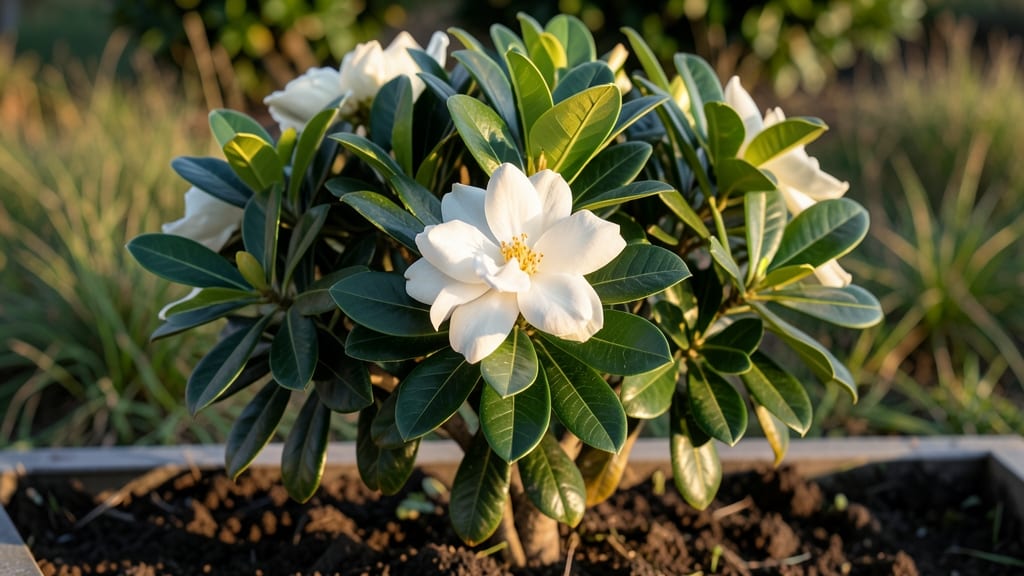
Your gardenia tree’s height can reach anywhere from 3 to 15 feet, depending on the variety and care you provide.
Wondering how tall your gardenia tree will grow—or whether it’ll fit in your backyard? Gardenia tree height varies dramatically by variety, and knowing the right size can help you plan for stunning blooms without overpowering your space.
Some gardenias stay compact at just 3 to 5 feet, perfect for containers or small gardens, while others tower toward 15 feet in ideal conditions.
The key to managing its size lies in pruning, sunlight, and soil—all of which we’ll break down to keep your 🌸 thriving at the perfect height for your space.
Below, you’ll find variety-specific growth charts, pruning tips to control height, and the five factors that actually determine how big (or small) your gardenia becomes over time.

Gardenia tree height by variety: growth charts & mature size expectations
Choosing a gardenia tree means balancing dreamy fragrant blooms with your garden’s space constraints. The Gardenia jasminoides, the most popular variety, can reach 6 to 15 feet tall at maturity—but not all gardenias grow this large.
Some stay compact enough for container gardening, while others need room to spread as shrub-like trees. Let’s break down the height expectations by variety so you can pick the perfect fit for your space.
Understanding gardenia growth rates is key to planning. Most varieties grow 6 to 12 inches per year, but dwarf types may only add 3 to 6 inches annually.
This means a 3-foot dwarf gardenia could take 3 to 5 years to reach maturity, while a 12-foot standard might need a decade. Your pruning habits and growing conditions will also influence how quickly (or slowly) your gardenia climbs the height ladder.
If you’re eyeing a Gardenia jasminoides for your backyard oasis, the standard variety will dominate space with its 10-to-15-foot stature. But if you’re working with a small urban garden, the 'Kleim's Hardy' dwarf version stays under 5 feet—perfect for container gardening or tucked near patios.
Even the climbing Gardenia radicans can reach 10 feet when trained on a trellis, adding vertical interest without sprawling.
For shadier spots, Gardenia augusta tops out at 6 feet and thrives in partial shade, making it ideal for woodland gardens or under trees. Its slower growth rate means you’ll enjoy fragrant blooms sooner than with faster-growing varieties.
Meanwhile, 'Veitchii' strikes a balance at 6 to 8 feet, offering a compact yet substantial presence for medium-sized yards.
Your gardenia’s final height also depends on whether you prune regularly. Without pruning, even dwarf varieties can grow taller over time. But with strategic trimming, you can encourage bushier growth and control height.
For example, pinching back new growth in spring can reduce height by 20–30% while promoting fuller blooms. This is especially useful for container gardenias, where space is limited.
Before planting, check your gardenia’s mature height against your space. A 12-foot gardenia near a 6-foot fence will quickly become a crowding problem, while a 3-foot dwarf in a large pot might feel
How to control gardenia tree height: pruning techniques for compact growth
If your gardenia tree is reaching for the sky faster than you’d like, don’t worry—pruning is your secret weapon for height control. With the right techniques, you can shape your gardenia into a compact bush while keeping those fragrant blooms coming.
The key? Timing, tools, and a little patience to avoid mistakes that can harm your plant.
Before grabbing your shears, know that gardenia trees respond best to light pruning during specific seasons. Over-pruning can stress the plant, while strategic cuts encourage bushier growth and manageable height.
Whether you’re dealing with a 6-foot dwarf or a towering 15-foot standard, these steps will help you maintain the perfect size for your space.
⚠️ Important: Always use sterilized pruning shears to prevent disease. Wear gloves—gardenia leaves can irritate skin! And never prune more than one-third of the plant at once, or you risk shocking it.
Step-by-Step Pruning Guide for Compact Gardenia Growth
- Step 1: Choose the Right Time Prune right after flowering (late spring to early summer) or late winter (before new growth starts). Avoid pruning in fall—this can stimulate tender growth that won’t survive winter.
- Step 2: Gather Your Tools Use sharp, sterilized pruning shears (for small branches) and loppers (for thicker stems). Disinfect tools with rubbing alcohol to prevent bacterial spread.
- Step 3: Identify Target Branches Look for overly tall stems or branches growing inward. Cut these back to a bud or outward-facing leaf to encourage bushier growth. Never cut into old wood—this won’t regrow.
- Step 4: Make Clean Cuts Cut at a 45-degree angle, just above a leaf node or bud. This promotes new growth in the right direction. Avoid leaving stubs—they can rot and attract pests.
- Step 5: Thin Out the Center Remove 1-2 oldest branches from the center to improve airflow and sunlight penetration. This reduces disease risk and encourages fuller growth on the outer edges.
- Step 6: Fertilize After Pruning Apply a balanced, acid-loving fertilizer (like 10-10-10) to help the plant recover. Water deeply to reduce stress and encourage new growth.
- Step 7: Monitor and Repeat Prune annually to maintain height. For faster results, do a light pruning every 6 months, but avoid heavy cuts in the same season.
One of the biggest mistakes gardeners make is pruning too late in the season. If you cut back in late summer or fall, your gardenia may produce tender growth that won’t harden off before winter, leading to dieback.
Another common error? Cutting too aggressively—this can remove next year’s flower buds, leaving you with fewer blooms.
For potted gardenias, pruning is even more critical since root space is limited. Trim back overly long branches to keep the plant balanced and encourage denser foliage. Just remember: less is more—gardenia trees bounce back best with gentle, strategic cuts rather than drastic reshaping.
With these techniques, your gardenia tree will stay lush, blooming, and perfectly sized for your garden—without sacrificing its natural beauty. Happy pruning! 🌿✂️🌸