
How To
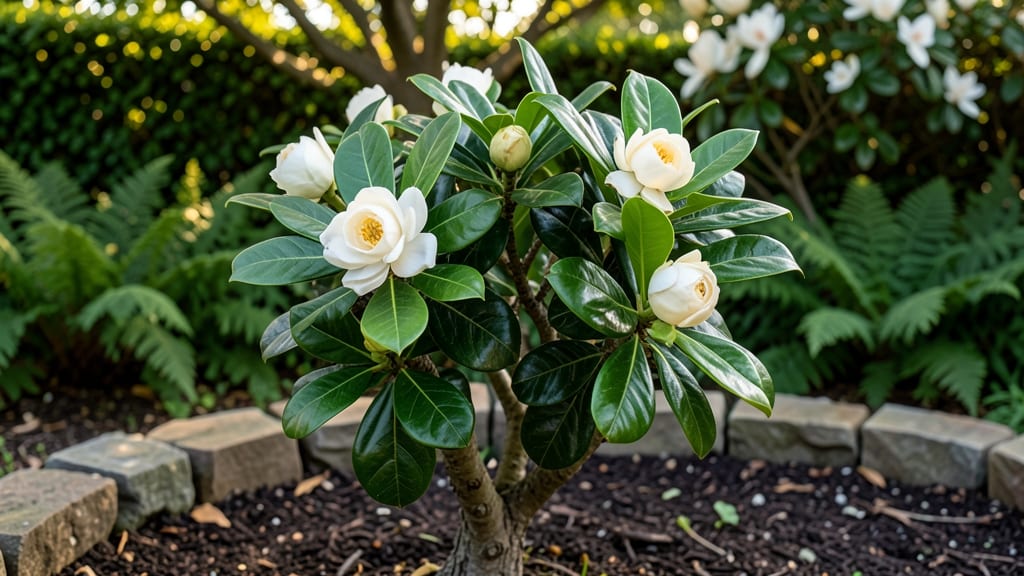
Gardenia trees grow between 6 and 15 feet tall, depending on the variety and care you provide—so whether you’re planning a fragrant hedge or a towering statement plant, your options are wide open.
If you're dreaming of fragrant gardenias but wondering whether they’ll dwarf your backyard or thrive as a small shrub, the answer depends entirely on the variety—and we’ve got the exact height ranges you need to plan your garden perfectly.
Standard gardenia trees like Gardenia jasminoides can reach 10 to 15 feet in ideal conditions, while dwarf varieties stay compact at just 3 to 5 feet, making them perfect for containers or small spaces.
Below, I’ll break down how to control growth through pruning, sunlight, and soil, plus the best varieties for your space—so you can grow the perfect-sized gardenia 🌸 for your home.


Gardenia tree height by variety: small vs. large growing habits
When planning your garden, knowing how tall a gardenia tree grows can make all the difference between a stunning centerpiece and an overgrown mess. The Gardenia jasminoides, the most common variety, typically reaches 6 to 15 feet at maturity, but some varieties stay compact or grow much taller.
If you love the intoxicating fragrance but have limited space, dwarf cultivars are your best bet—and I’ll show you exactly which ones stay under 3 feet.
Your garden’s layout depends entirely on the variety you choose. Standard gardenias like Fortuniana can tower over your patio, while dwarf varieties like Radicans thrive in containers.
Understanding these differences helps you avoid overcrowding or underutilizing space. Let’s break down the height ranges so you can pick the perfect gardenia for your yard.
Note: Height varies based on pruning, soil quality, and sunlight. Even the same variety can grow taller in ideal conditions. Always factor in 1-2 extra feet for mature size when spacing plants.
If you’re growing Gardenia jasminoides in your yard, expect it to reach 6–15 feet without pruning. This variety is the most versatile but requires regular maintenance to keep it from becoming too tall.
For example, if you plant it near a 6-foot fence, it will easily outgrow it within a few years.
On the other hand, dwarf varieties like Gardenia augusta stay under 5 feet, making them perfect for containers or small gardens. These compact plants are ideal if you want that sweet fragrance without sacrificing space. I’ve seen them thrive in 15-gallon pots for years with minimal height increase.
Pruning plays a huge role in controlling height. For taller varieties, prune in late winter or early spring to reduce height by 25–30%. This encourages bushier growth and prevents leggy stems. For dwarf varieties, a light trim after flowering keeps them neat without stunting growth.
Soil and sunlight also impact height. Gardenias grown in partial shade with acidic, well-draining soil (pH 5.0–6.5) tend to grow more slowly and stay compact. In full sun, they may grow taller but require more frequent watering to prevent stress.
Always amend your soil with peat moss or compost to ensure optimal conditions.
For large landscapes, consider Gardenia fortuniana, which can reach 15 feet and makes an excellent privacy screen. If you’re working with limited space, Gardenia radicans spreads instead of growing tall, perfect for ground cover or borders. Choose based on your space and care capacity!
Pro tip: If you’re unsure about height, start with a dwarf variety in a container. You can always transplant it later if it outgrows its space. This way, you test the waters without committing to a large plant right away.
How to control gardenia tree growth for optimal size
Gardenia trees are stunning additions to any landscape, but their growth can quickly spiral out of control if left unchecked. With the right techniques, you can shape them into compact shrubs or let them grow into tall specimens—it’s all about timing and precision.
The key lies in understanding when and how to prune, along with proper spacing and seasonal care.
Most gardenia varieties, like the classic Gardenia jasminoides, naturally reach 6 to 15 feet at maturity. However, with strategic pruning, you can keep them under 5 feet for container gardening or allow them to grow taller for a dramatic focal point.
The secret? Prune at the right time and avoid over-trimming, which can stress the plant.
⚠️ callout-warning
Pruning gardenias after their flowers fade (typically late summer) can remove next year’s buds. Always prune right after flowering (spring/early summer) to encourage new growth without sacrificing blooms. Over-pruning weakens the plant and reduces fragrance.
Start by spacing your gardenia 8 to 10 feet apart if you want a full-sized tree. For dwarf varieties like ‘Radicans’, reduce spacing to 3 to 5 feet to maintain a bushy shape.
Mulch around the base to retain moisture and prevent root competition from weeds, which can stunt growth.
Seasonal care is critical. In spring and early summer, focus on light feeding with acidic fertilizer (like azalea food) to promote blooms. Reduce watering slightly in fall and winter to encourage dormancy, which helps control unruly growth.
Always water deeply in the morning to avoid fungal issues that can weaken the plant.
Use sharp, sterilized pruners to make clean cuts just above a leaf node. Avoid heavy-handed pruning—never remove more than one-third of the plant’s foliage in a single session. Thin out crowded branches to improve airflow, which reduces disease risk and keeps the plant healthy.
If your gardenia grows too tall too fast, it’s often a sign of over-fertilizing or excessive sunlight. Move it to partial shade (morning sun + afternoon shade) and cut back on fertilizer.
For a more controlled shape, prune new growth tips in late spring to redirect energy into bushier growth.