
Planting
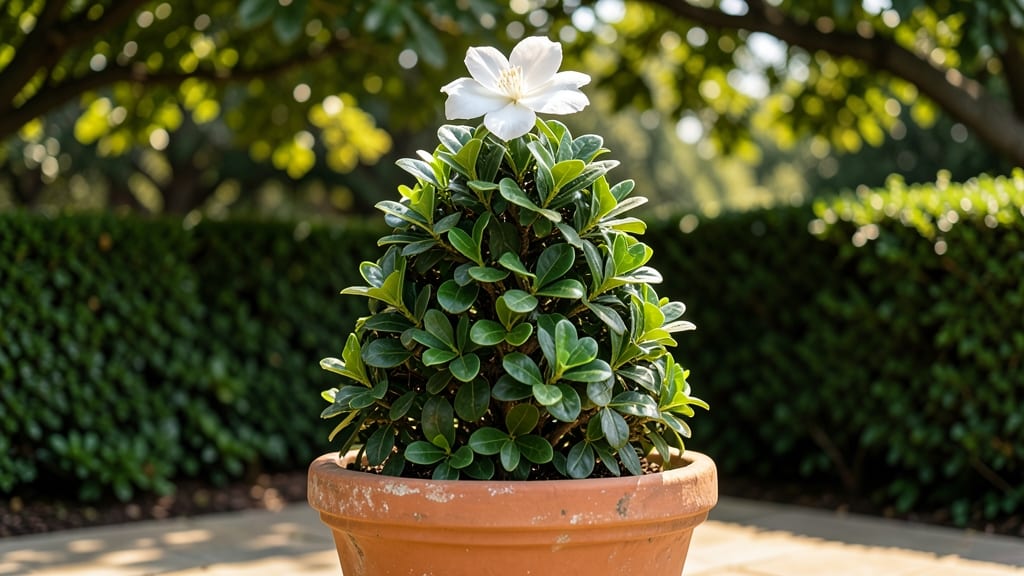
Creating a gardenia topiary plant involves strategic pruning of new growth to develop fullness, securing branches with supportive wire frameworks, and consistent trimming to maintain its glossy leaves and sweet fragrance—while avoiding excessive cuts that weaken the plant. These plants flourish best in dappled sunlight and acidic, well-draining soil for vibrant blooms.
A gardenia topiary plant transforms ordinary shrubs into living art with its elegant, controlled shapes. 🌿 The key to success lies in patience—you'll need to start shaping when the plant is young (around 1-2 feet tall) to establish the foundation for your design.
Unlike many plants, gardenias respond well to gentle training, so I recommend using soft floral wire wrapped around branches to guide growth into spirals, globes, or even tiered designs. The goal is to mimic natural growth patterns while keeping the plant's signature glossy leaves and intoxicating scent intact.
Beyond shaping, gardenias demand specific care to reward your efforts. They crave acidic soil (aim for a pH of 5.0–6.5) and consistent moisture—never letting the roots dry out completely, but avoiding waterlogged conditions that invite rot.
I've found that morning sun followed by afternoon shade creates the perfect balance, preventing leaf scorch while maintaining the energy needed for blooming. The payoff? A fragrant, evergreen centerpiece that becomes the jewel of your garden or patio.
💡 In This Article
- Step-by-Step Guide to Pruning and Training Gardenia Topiary
- Optimal Growing Conditions for Thriving Gardenia Topiary
Step-by-step guide to pruning and training gardenia topiary
The foundation of gardenia topiary starts with pinching when the plant reaches 6-12 inches tall.
This technique involves removing the top set of leaves and the growing tip to stimulate lateral branching. 🌱 What happens next is fascinating: the plant's natural growth hormones (auxins) redistribute, prompting dormant buds along the stem to awaken and form new shoots.
These side branches will become the building blocks of your topiary's structure, creating that lush, full look gardenias are known for.
Once your gardenia has developed a sturdy framework of branches, it's time to introduce wire supports.
Use 1.5-2mm floral wire (thin enough to bend easily but strong enough to hold) and wrap it gently around the main stems, securing them into your desired shape—whether that's a classic spiral, a rounded globe, or a tiered design.
The wire should be snug but not cutting into the bark; think of it like a gentle hug that guides growth rather than restricts it. I've found that starting with a basic framework in late spring gives the plant's natural flexibility time to adapt before winter dormancy.
Regular trimming is where the magic happens to maintain your topiary's shape. Aim to prune every 4-6 weeks during the growing season (spring through early summer), always cutting just above a leaf node where new growth will emerge.
Here's a pro tip: use bypass pruners for clean cuts—these leave a smaller wound area than shears, reducing stress on the plant. Never trim more than one-third of the plant's foliage at once, as this can shock the gardenia and lead to sparse blooming or even defoliation.
There are two critical mistakes to avoid when training gardenia topiary. First, never prune in fall or winter—this is when the plant is already stressed by cooler temperatures and shorter days, making it vulnerable to disease.
Second, avoid over-tightening the wire—as the plant grows, the wire can cut into the bark, leaving unsightly scars. Always check your wire supports every 2-3 months and loosen or remove them as the branches thicken.
For those aiming for intricate designs, consider using a template method. Create a wire frame of your desired shape (like a spiral) and gently weave the gardenia's branches through it, securing with soft ties.
This approach works best for younger plants (under 3 years old) whose branches are still pliable. The key is patience—complex shapes take 1-2 growing seasons to fully develop, but the result is a showstopping centerpiece that smells as good as it looks.
One final secret: gardenias respond beautifully to light shaping touches throughout the year. Even a quick trim to remove spent blooms or wayward shoots keeps the plant healthy and encourages new growth.
The fragrance alone makes the effort worthwhile—those creamy white blooms release their sweetest scent in the early morning hours, making your topiary a living perfume garden.