
Light Requirements
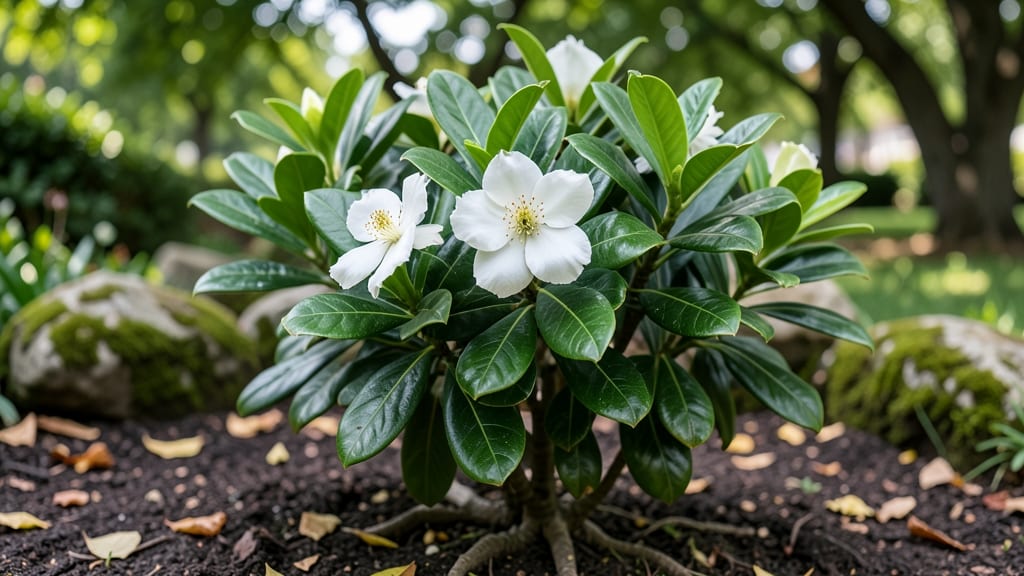
Frost-proof gardenias have specific sun requirements to thrive year-round, needing 4–6 hours of bright, indirect sunlight daily to balance blooms and cold resilience.
Struggling to keep your gardenias blooming through winter? Frost-proof varieties demand precise sunlight to survive harsh seasons—get the exact sun exposure formula to ensure year-round floral perfection.
Here’s the key: morning sun builds energy, while afternoon shade prevents stress in USDA Zone 9b and cooler regions. Too much direct light scorches leaves; too little stunts growth.
Below, I break down the perfect sunlight mix for your climate, seasonal tweaks, and how to fix common mistakes that kill frost-resistant gardenias.

Optimal sunlight hours for frost-proof gardenias by climate Zone
Frost-proof gardenias thrive when given the right balance of sunlight, especially in USDA zones 7-11. Unlike their frost-sensitive cousins, these varieties need adjusted light exposure to survive winter dormancy while still producing year-round blooms.
Morning sun is ideal, while harsh afternoon rays can scorch leaves—especially in Zones 9-11.
In Zones 7-8, gardenias enter dormancy when temperatures drop, requiring reduced sunlight exposure during winter. However, they still need 4-6 hours of morning light to maintain energy reserves. Meanwhile, Zones 9-11 enjoy frost-free winters, so gardenias can bask in 6-8 hours of filtered sunlight year-round.
Here’s how to tailor sunlight for frost-proof gardenias based on your climate zone. The comparison table below breaks down daily sun needs, seasonal adjustments, and ideal morning vs. afternoon exposure.
| USDA Zone | Daily Sunlight (Hours) | Morning Sun (AM) | Afternoon Sun (PM) | Winter Adjustments |
|---|---|---|---|---|
| 7a-7b | 4-5 (spring/fall) | 3-4 hours (east-facing) | 0-1 hour (dappled) | Reduce to 2-3 hours (Dec-Feb) |
| 8a-8b | 5-6 (year-round) | 4-5 hours (east/southeast) | 1 hour max (filtered) | Maintain 4-5 hours (Dec-Feb) |
| 9a-9b | 6-7 (year-round) | 5-6 hours (east-facing) | 1-2 hours (dappled) | No adjustment needed |
| 10a-11 | 6-8 (year-round) | 6 hours (east/southeast) | 2 hours max (shade cloth) | No adjustment needed |
In Zones 7-8, gardenias need gentle morning sunlight to kickstart growth in spring. Use sheer curtains or lattice screens to diffuse harsh afternoon rays, especially in July and August when temperatures soar.
For Zones 9-11, where winters are mild, gardenias can handle more direct sun, but always prioritize morning exposure to prevent leaf burn.
One of my biggest mistakes was placing a frost-proof gardenia in full afternoon sun in Zone 9. Within weeks, the leaves turned crispy—even though it was a frost-resistant variety. The key is morning light dominance paired with afternoon shade, regardless of zone.
For Zones 7-8, reduce sunlight to 2-3 hours daily during winter dormancy (December-February). In Zones 9-11, maintain 6-7 hours year-round but monitor for heat stress in summer. A simple trick? Plant near tall evergreens or use 30% shade cloth to filter intense midday sun.
Pro tip: Prune leggy branches in late winter to encourage denser foliage, which naturally shades tender new growth. This works especially well in Zones 7-8 where winter dormancy can leave plants vulnerable to sun scald when they wake up.
If you’re in Zone 10 or 11, consider dwarf varieties like 'Kleim’s Hardy'—they tolerate more direct sun but still thrive with morning-focused light. These varieties are bred to handle hotter climates while maintaining frost resistance in unexpected cold snaps.
Remember, frost-proof doesn’t mean heat-proof. Even tough gardenias need protection from midday intensity. Use mulch around the base to regulate soil temperature and water deeply in the morning to help the plant cool down naturally.
🌸
How to adjust sun exposure for winter blooms without frost damage
Winter’s chill can turn your gardenia’s lush blooms into sad, frost-nipped buds—unless you adjust their sun exposure strategically. Frost-proof varieties like Gardenia jasminoides thrive on morning sunlight but need protection from harsh afternoon rays when temperatures drop.
The key? Balancing light while shielding delicate foliage from frost damage and sunburn.
Start by observing your gardenia’s current light conditions. If it’s in a cooler zone (USDA 7-8), reduce direct sun to 2–3 hours daily during winter months. In mild climates (Zone 9+), extend gentle morning light to 4–5 hours while blocking afternoon sun with sheer curtains or lattice screens.
This tweak prevents bud drop while keeping leaves vibrant and blooms abundant.
🌿 5 Steps to Adjust Sun Exposure Safely
- 1. Prune for Balance: Trim overgrown branches in late fall to reduce leaf surface area exposed to cold. Focus on southeast-facing growth to limit frost exposure.
- 2. Create Microclimates: Plant near southeast-facing walls or use evergreen hedges (e.g., boxwood) as windbreaks. This traps warmth and deflects cold winds.
- 3. Use Sheer Shade Cloth: Drape 30–50% shade cloth over containers or outdoor plants during peak winter sun (11 AM–2 PM). Secure with clips to avoid tearing.
- 4. Rotate Pots Indoors: For container gardenias, move them 180° weekly near an east-facing window to prevent leggy growth from one-sided light.
- 5. Supplement with Grow Lights: In low-light winters, add 12–14 hours of LED grow lights (6000K color temp) to mimic spring conditions. Place lights 6–12 inches above the plant.
For gardenias in containers, winter transitions require extra care. Move pots to a protected porch or garage during freezing nights (below 32°F). If indoors, ensure humidity stays high (use a pebble tray) to mimic outdoor moisture levels.
Avoid placing them near heat vents, which dry out leaves and stress the plant.
Monitor your gardenia’s leaf color and bud development as a barometer. Yellowing leaves signal too much light or nutrient burn, while dropping buds mean insufficient light or temperature fluctuations.
Adjust gradually—sudden changes can shock the plant. For example, if buds fail to open in winter, increase light by 1 hour daily over 7–10 days.
Pro tip: Use a digital light meter (or smartphone app) to measure foot-candles in your gardenia’s spot. Aim for 1,000–2,000 foot-candles during winter—any lower, and blooms will suffer.
Pair this with mulching (2–3 inches of pine bark) to insulate roots and retain moisture, which is critical for frost resistance.
With these adjustments, your frost-proof gardenia will reward you with year-round blooms, even in winter’s chill. The secret? Precision in light and protection from extremes—no frost damage in sight! 🌸