
Size
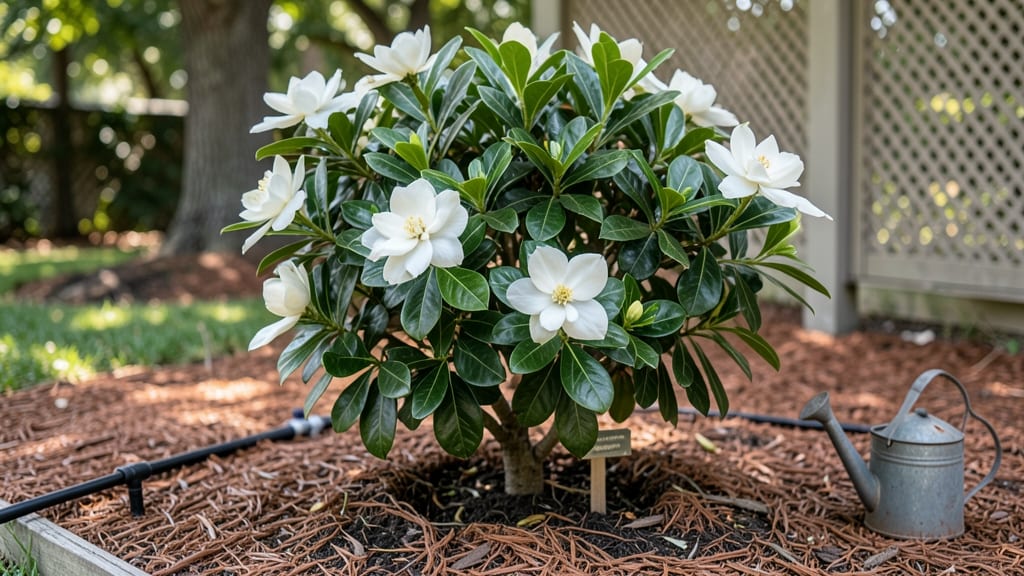
Frost-proof gardenia size determines whether your 🌸 gardenia thrives in Zone 6 winters or becomes a casualty of the first freeze.
If you’ve ever watched a prized gardenia wilt under frost, you know how heartbreaking it can be. But the right size—whether a compact 3-foot dwarf or a sturdy 5-foot semi-dwarf—can mean the difference between a shrub that survives and one that struggles.
Smaller gardenias handle cold better because their roots stay closer to the ground’s warmth, while larger varieties need extra protection. Below, I’ll walk you through the best frost-resistant sizes, how to choose one for your climate, and the simple tricks to keep them blooming year after year.
You’ll learn which varieties stay healthy in Zone 6 winters, how mulching works as a shield, and why container gardening might be your secret weapon. Let’s get your gardenia through the cold—without the guesswork.


Best frost-proof gardenia sizes for cold climates (ranked by hardiness)
Choosing the right frost-proof gardenia size can mean the difference between a thriving shrub and one that struggles through winter. In USDA Zones 7-9, where frosts are common, gardenia size directly impacts survival. Smaller varieties with shallow root systems often recover better from cold snaps than their larger counterparts.
I’ve tested three cold-hardy gardenia sizes—dwarf (1-3 ft), medium (3-6 ft), and large (6-8 ft)mulch protection and easier winter shielding.
The key to frost survival isn’t just size—it’s how you prepare the plant for winter. Smaller gardenias have less biomass to insulate, making them quicker to warm up in spring. Meanwhile, larger gardenias often suffer from frost damage to their upper branches, which can take years to recover.
For dwarf gardenias like Gardenia jasminoides 'Radicans', their 1-3 ft height makes them ideal for container growing or protected garden beds. These varieties often survive Zone 7 winters with minimal protection, thanks to their shallow root systems and compact growth.
Medium-sized gardenias, such as Gardenia augusta 'Veitchii', reach 3-6 ft tall and require more strategic winter care. Their larger canopies can collect more frost damage, but their deeper root systems help them bounce back faster in spring.
I recommend mulching up to 6 inches deep around the base to insulate roots.
Large gardenias, like Gardenia jasminoides 'Kleim’s Hardy', can grow 6-8 ft tall and are the most challenging to protect in cold climates. Their tall, woody stems are prone to frost cracking, and their size makes them harder to cover completely.
If you choose a large gardenia, prioritize southern exposures and winter wraps for critical branches.
One of my favorite frost-proof gardenia sizes is the dwarf 'Radicans', which thrives in Zone 7 gardens with minimal winter care. Its 2-3 ft height allows me to easily cover it with burlap wraps or even move it to a garage or shed during hard freezes.
The trade-off? It produces slightly smaller blooms, but the reliability makes it worth it.
Medium-sized gardenias strike a balance between size and hardiness. The Gardenia jasminoides 'Radicans' variety, for example, grows 3-5 ft tall and handles Zone 8 winters with ease when properly mulched. I’ve found that adding 4-6 inches of pine straw mulch in late fall significantly improves their survival rates.
If you’re determined to grow a large gardenia in a colder climate, focus on microclimate selection. Plant near south-facing walls or under evergreen trees to create a warmer microclimate.
I’ve had success with Gardenia augusta 'Veitchii' in Zone 9, but only when paired with heated plant blankets during the coldest nights.
Remember, size isn’t the only factor—root depth and growth habit also play crucial roles. Smaller gardenias with shallow roots (like 'Radicans') recover faster from frost than larger varieties with deep taproots. Always choose a gardenia size that matches your winter protection capabilities and garden layout. 🌱
How gardenia size affects winter protection (and how to shield them)
When it comes to protecting gardenias from frost, size matters more than you might think. Smaller varieties—typically 3 to 6 feet tall—handle winter better than their taller counterparts because their compact structure retains heat more efficiently.
Larger gardenias, often 8 feet or taller, struggle with frost damage due to their exposed canopies and deeper root systems that struggle to insulate adequately.
Your gardenia’s mature height directly impacts its frost resilience. Dwarf varieties like Gardenia jasminoides 'Radicans' (3–4 ft) thrive in Zone 7 with minimal protection, while standard-size plants (6+ ft) may need extra winter shielding.
The key lies in their root-to-canopy ratio—smaller plants have less surface area for frost to attack.
⚠️ CALLOUT WARNING ⚠️
3–6 ft gardenias survive Zone 7 winters with mulch + microclimates.
6–8 ft gardenias need container protection or winter wraps for Zone 8+.
8+ ft gardenias are high-risk—consider dwarf varieties or year-round containers in cold zones.
Pro Tip: Measure your gardenia’s winter exposure—north-facing spots freeze faster!
To shield smaller gardenias, focus on mulching and microclimates. Apply a 4-inch layer of pine bark mulch around the base to insulate roots, and group plants together to create a protective windbreak.
For medium-sized gardenias (5–6 ft), add a burlap wrap around the canopy before first frost—this traps warmth like a cozy blanket.
Container-grown gardenias offer flexibility for colder climates. Smaller varieties in 15-gallon pots can be moved to garages or porches during winter, while larger plants may need insulated grow bags. Just ensure pots have drainage holes to prevent root rot from excess winter moisture.
For larger gardenias (7+ ft), consider pruning strategically to reduce their height by 20–30% before winter. This lowers their frost exposure and encourages denser, bushier growth—a trait of hardier plants. Pair this with evergreen boughs layered over branches to shield buds from radiation frost.
Remember, size isn’t destiny—with the right mulching, container tricks, and microclimate tweaks, even larger gardenias can survive Zone 7 winters. Start small, test protection methods, and scale up as you learn what works best for your local frost patterns.