
Size
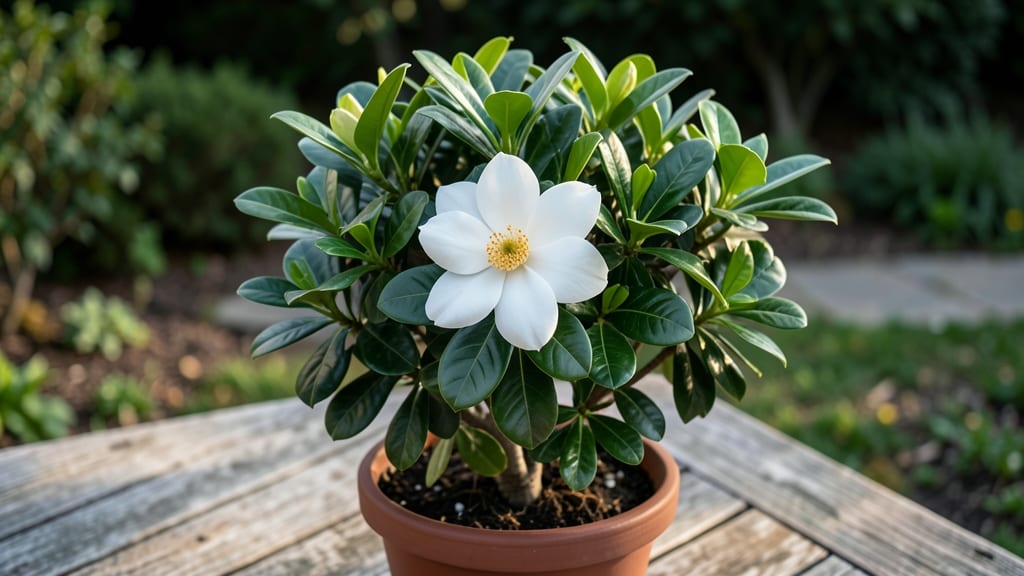
A gardenia shrub’s size can transform your yard from a fragrant dream to a space-crushing reality if you don’t plan ahead — most mature plants reach 4 to 6 feet tall with a spread of 3 to 5 feet, depending on the variety.
If you’re dreaming of fragrant blooms but worried about whether a gardenia shrub will overwhelm your landscape, understanding its mature size is key to planning the perfect spot.
Some varieties, like the compact ‘Kleim’s Hardy’, stay under 3 feet, making them ideal for small gardens or containers, while others, like the standard ‘Radicans’, can stretch toward 6 feet if left unchecked.
Below, I’ll break down how sunlight, pruning, and soil type influence growth, plus the best spacing tricks to keep your gardenia looking polished without sacrificing those intoxicating blooms.


Gardenia shrub size by variety: how tall do they grow?
Choosing a gardenia shrub for your landscape starts with understanding its mature size. These fragrant beauties come in stunning varieties, from compact dwarfs perfect for containers to towering hybrids that need ample space.
Knowing each variety’s growth potential helps you plan spacing, pruning, and even container sizes to keep your gardenia thriving without crowding other plants.
Most gardenias belong to the Gardenia jasminoides species, but hybrids like Gardenia augusta and modern cultivars offer diverse sizes. Whether you’re designing a small patio garden or a lush backyard, selecting the right variety ensures your gardenia fits beautifully while maximizing its blooming potential.
Here’s a quick reference for gardenia shrub sizes by variety, including their mature heights and ideal growing conditions:
| Variety | Mature Height | Mature Spread | Growth Rate | Best For |
|---|---|---|---|---|
| Gardenia jasminoides 'Kleim's Hardy' | 3–4 ft | 3–4 ft | Moderate (12–18 in/year) | Cold-hardy gardens, borders |
| Gardenia jasminoides 'Radicans' | 2–3 ft | 3–5 ft (spreading) | Slow to moderate | Containers, hanging baskets, slopes |
| Gardenia jasminoides 'Veitchii' | 4–6 ft | 4–6 ft | Moderate (12–18 in/year) | Backyard shrubs, hedges |
| Gardenia augusta 'Fortuniana' | 6–8 ft (tallest) | 5–7 ft | Slow (6–12 in/year) | Large gardens, specimen plants |
| Gardenia jasminoides 'Dwarf' | 1.5–2.5 ft | 2–3 ft | Slow (6–12 in/year) | Containers, patios, small gardens |
| Gardenia jasminoides 'Mystery' | 3–5 ft | 3–4 ft | Moderate (12–18 in/year) | Foundation plantings, mixed borders |
The dwarf varieties, like 'Dwarf' gardenias, are perfect if you’re working with limited space. These stay under 3 feet tall and thrive in containers, making them ideal for balconies or small yards.
On the other hand, varieties like 'Veitchii' or 'Fortuniana' can reach 6–8 feet, requiring more room to spread their glossy leaves and fragrant blooms.
If you’re planting multiple gardenias, consider spacing them 4–6 feet apart for standard varieties to prevent overcrowding. Dwarf types can be spaced 2–3 feet apart or grouped in containers.
Always check the growth rate of your chosen variety—some, like 'Radicans', spread wider than they grow tall, while others like 'Veitchii' grow upright.
Pruning plays a huge role in managing size. Most gardenias benefit from a light pruning after flowering to shape them and encourage bushier growth. For varieties prone to legginess, like 'Fortuniana', prune in early spring to control height and improve airflow, which reduces disease risk.
For container gardening, choose dwarf or semi-dwarf varieties and ensure your pot is at least 12–18 inches deep with drainage holes. Gardenias hate soggy roots, so containers need excellent drainage and regular watering. A 15-gallon pot works well for a 2–3 foot gardenia, while larger varieties may need 20–3
How growing conditions affect gardenia shrub size and spread
Your gardenia’s mature size isn’t set in stone—it’s shaped by the environment you provide. Too much sun or rich soil can send your 3-foot dwarf shooting up to 6 feet in just a few years, while proper pruning keeps even standard varieties compact.
Understanding these factors helps you control growth and avoid overcrowding in your landscape.
Sunlight exposure plays the biggest role in determining whether your gardenia stays small or sprawls. Full sun (6+ hours daily) encourages rapid vertical growth, while partial shade (4-6 hours) keeps plants bushier and more manageable.
In hot climates like USDA Zones 8-10, afternoon shade is essential to prevent stress that can stunt growth or trigger early blooming.
Soil fertility also impacts size dramatically. Gardenias thrive in acidic, well-draining soil (pH 5.0-6.5), but adding too much compost or fertilizer can lead to vigorous but leggy growth.
Over-fertilized plants may reach 2 feet taller than expected within a single season. Always use balanced, slow-release fertilizer and avoid nitrogen-heavy mixes that promote foliage over flowers.
Growing Conditions for Gardenia Size Control
✅ Pros of Ideal Conditions
- Compact growth in partial shade
- Healthier blooms with proper pruning
- Slower spread in cooler climates
- Stronger stems with balanced fertilizer
❌ Cons of Poor Conditions
- Rapid, leggy growth in full sun
- Weak stems from over-fertilizing
- Stunted blooms in hot, dry climates
- Uncontrolled spread in rich soil
Climate zone matters just as much as sunlight. Gardenias in cooler zones (6-7) grow more slowly, often staying under 4 feet without aggressive pruning. In warmer zones (8-10), they can reach 6+ feet if unchecked, especially with consistent moisture.
If you live in a humid area, prune for airflow to prevent fungal diseases that weaken plants and encourage sprawling growth.
Pruning habits are your secret weapon for size control. Light annual pruning keeps gardenias at their ideal variety size, while neglect leads to wild, unruly shapes. For dwarf varieties, prune just the tips to maintain a rounded form.
Standard types benefit from structured shaping—cut back old wood in late winter to encourage new, bushier growth from the base.
Even the container size affects growth. Root-bound gardenias in small pots may grow 2 feet taller than expected as they stretch for space. Always use at least 18-inch pots for dwarf varieties and 24-inch+ pots for standard types.
Amend container soil with peat moss to maintain acidity and prevent nutrient runoff that fuels rapid growth.
With the right balance of light, soil, pruning, and climate awareness, you can keep your gardenia at your desired size—whether that’s a compact 2-foot specimen or a tall, fragrant statement plant. Pay attention to how your plant responds each season, and adjust care accordingly for perfect proportions. 🌿