
Tools
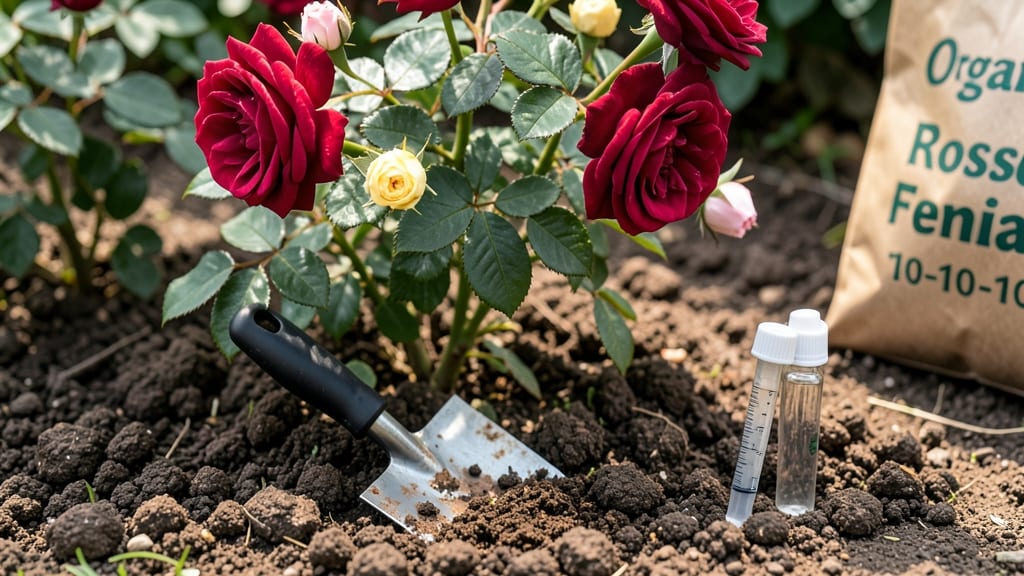
Creating garden soil for roses means blending a loose, slightly acidic medium with a pH of 6.0–6.5, packed with compost and coarse amendments like sand or perlite to ensure roots breathe while accessing essential nutrients for lush growth.
Roses thrive when their roots have access to both moisture and oxygen, which is why well-draining soil is non-negotiable. 🌸 The ideal pH range of 6.0–6.5 isn't arbitrary—it unlocks iron and phosphorus, two nutrients roses crave for vibrant blooms.
Organic matter like compost acts like a sponge, holding nutrients while preventing compaction. For heavy clay soils, I recommend mixing in builder's sand or perlite to create air pockets, while sandy soils benefit from peat moss or coconut coir to retain moisture without suffocating roots.
This blend isn't just about drainage—it's about creating a living ecosystem where beneficial microbes break down organic matter into forms roses can absorb. The key is balance: too much sand makes nutrients wash away, while too much clay cuts off oxygen.
I've found that a 50-50 mix of native soil and compost, with 20% perlite or coarse sand, works wonders for most climates. For existing rose beds, I suggest amending the top 6-12 inches of soil annually to maintain this perfect recipe.
💡 In This Article
- Why Rose Soil Needs the Right pH and Drainage
- DIY Rose Soil Blend: Step-by-Step Mixing Guide
Why rose soil needs the right pH and drainage
The ideal pH of 6.0–6.5 for rose soil isn't just a suggestion—it's a chemical necessity. At this slightly acidic level, iron and phosphorus become soluble, allowing roots to absorb these critical nutrients. 🌱 Iron deficiency (common in alkaline soils) causes yellowing leaves, while phosphorus fuels blooming.
Soil pH affects micronutrient availability too: zinc and manganese become more accessible in this range, which roses need for disease resistance. Most garden soils naturally sit around 6.5–7.5, so amending with sulfur or peat moss can lower the pH if needed.
Drainage prevents root suffocation by ensuring oxygen reaches the roots. When soil stays waterlogged, roots can't respire properly, leading to root rot—a silent killer of roses. The perfect blend should hold moisture like a sponge but release excess water within 24 hours.
Organic matter like compost improves drainage by creating macro-pores (large air pockets), while sand or perlite adds micro-pores for oxygen flow. Without this balance, even the hardiest rose varieties struggle, as their roots become starved for oxygen even when water is present.
Organic matter doesn't just improve drainage—it feeds the soil's microbial ecosystem. These tiny organisms break down compost into forms roses can absorb, like nitrogen, potassium, and trace minerals. A healthy soil food web also suppresses harmful pathogens.
I've seen roses in amended soil produce 30% more blooms than in unamended soil, thanks to this microbial activity. The texture of well-amended soil should resemble a moist, crumbly loaf of bread—light enough to hold its shape but loose enough to crumble easily between fingers.
Heavy clay soils (common in many gardens) compact easily, cutting off oxygen and trapping water. To fix this, mix in 30% coarse sand or perlite to create air pockets.
Sandy soils, on the other hand, drain too quickly, so adding 20% peat moss or coconut coir helps retain moisture while improving nutrient-holding capacity. The goal is to mimic the loose, fertile texture of a forest floor—where roses evolved to thrive.
Without this balance, even the most nutrient-rich fertilizer won't help if roots can't access oxygen or water properly.
Here's what happens when you get it wrong: alkaline soils (pH 7.5+) lock out iron, causing chlorosis (yellow leaves with green veins), while acidic soils (pH 5.5-) leach essential nutrients like calcium and magnesium.
Poor drainage leads to fungal diseases like black spot, while overly sandy soil causes nutrient runoff. The solution? Test your soil annually with a pH meter or kit and amend as needed—your roses will reward you with stronger stems and bigger blooms. 🌹