
Tools
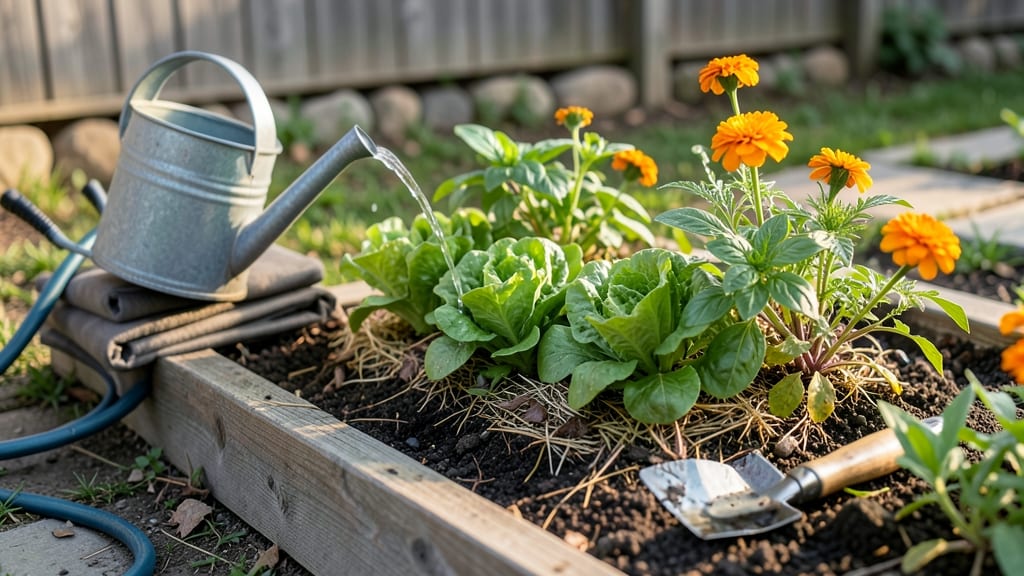
Watering your garden bed properly is the key to keeping plants thriving 🌱—whether you're dealing with thirsty tomatoes or delicate herbs, the right approach makes all the difference.
Struggling to keep your garden bed watered just right? Overwatering or underwatering can mean the difference between lush, thriving plants and wilting disappointment.
Most gardeners fall into the trap of either drowning their plants with daily sprinkles or letting them dry out completely between waterings. Neither approach works—roots need deep, consistent moisture to grow strong, but soggy soil suffocates them.
In this guide, I’ll break down the science-backed watering schedules for different plants, share smart tools to save time, and show you how to spot hydration problems before they ruin your harvest.
Optimal watering schedules for different garden bed plants
Mastering the watering schedule for your garden bed is the secret to thriving plants. Every plant type—whether it's leafy greens, herbs, or root vegetables—has unique hydration needs.
Understanding these differences ensures your garden gets the right amount of water at the right time, preventing both underwatering stress and overwatering damage. The key lies in deep watering, soil moisture checks, and adjusting for seasonal changes.
For most garden beds, morning watering is ideal because it allows foliage to dry quickly, reducing the risk of fungal diseases. Aim to water when the top 1-2 inches of soil feel dry to the touch.
However, the exact schedule depends on the plant type, soil type, and weather conditions. Sandy soils dry faster than clay soils, and hot, dry days demand more frequent watering than cool, cloudy ones.
Below is a science-backed watering guide tailored to common garden bed plants. Use this as your reference to keep your garden lush and productive year-round.
| Plant Type | Water Frequency | Best Time | Watering Depth | Seasonal Adjustments |
|---|---|---|---|---|
| Leafy Greens (Lettuce, Spinach, Kale) | Every 2-3 days | Morning | 1-2 inches deep | Increase to daily in summer |
| Root Vegetables (Carrots, Radishes, Beets) | Every 3-4 days | Morning | 2-3 inches deep | Reduce in fall/winter |
| Herbs (Basil, Parsley, Cilantro) | Every 2-3 days | Morning or Evening | 1 inch deep | Avoid soggy soil |
| Tomatoes & Peppers | Every 2-3 days | Morning | 2-3 inches deep | Increase during fruiting |
| Flowers (Marigolds, Zinnias, Sunflowers) | Every 3-4 days | Morning | 1-2 inches deep | Reduce in drought |
When watering, always aim for deep watering rather than shallow sprinkles. This encourages roots to grow deeper into the soil, making plants more drought-resistant. Use a soil moisture meter or your finger to check moisture levels—insert your finger about 1-2 inches into the soil.
If it feels dry, it’s time to water.
Adjust your schedule based on seasonal changes. During the hot summer months, you may need to water daily, especially for heat-loving plants like tomatoes and peppers.
In contrast, spring and fall typically require less frequent watering. Always water early in the morning to minimize evaporation and reduce the risk of pests and diseases.
Mulching your garden beds with organic matter, like straw or wood chips, helps retain moisture and regulate soil temperature. Apply a 2-3 inch layer of mulch around plants, keeping it a few inches away from the stems to prevent rot.
This simple step can cut down on watering needs by up to 30%.
For container gardens, watering needs differ slightly. Containers dry out faster, so check soil moisture daily during hot weather. Water until it runs out of the drainage holes, ensuring roots receive adequate hydration. Self-watering containers can help maintain consistent moisture levels, reducing the risk of underwatering stress.
Watch for visual signs of improper watering. Wilting leaves or yellowing foliage may indicate underwatering, while mushy stems or leaf spots often signal overwatering. Adjust your schedule based on these cues to keep your garden bed thriving.
By following these science-backed watering guidelines, you’ll create an optimal environment for your plants to grow strong and healthy. Consistency is key—stick to your schedule, and your garden will reward you with abundant harvests and vibrant blooms all season long. 🌱
How to avoid common garden bed watering mistakes
Watering your garden bed feels like a balancing act—too much and you drown roots, too little and plants wilt. The biggest mistake I see is surface-level watering, where moisture never reaches deep roots. This creates shallow root systems that struggle during heatwaves.
Even worse? Inconsistent schedules leave plants thirsty one day and soggy the next. And don't get me started on gardeners who rely solely on rainfall—unpredictable weather spells disaster for delicate seedlings.
Let's tackle these pitfalls head-on. First, understand that most plants need 1-2 inches of water per week, whether from rain or irrigation. But timing matters just as much as quantity.
Watering at the wrong time of day (like evening) invites fungal diseases, while morning watering gives plants a full day to absorb moisture. The key is consistency—stick to a schedule and adjust based on soil type and weather.
⚠️ callout-warning ⚠️
⚠️ 3 Watering Mistakes Killing Your Garden
- Mistake 1: Light sprinkling = roots stay shallow. Fix: Water until soil 6 inches deep is moist.
- Mistake 2: Inconsistent timing = stress cycles. Fix: Set a weekly schedule (adjust for seasons).
- Mistake 3: Over-relying on rain = drought risk. Fix: Use drip irrigation as backup.
💡 Pro Tip: Test soil moisture by sticking your finger 2 inches deep—if dry, it's time to water.
One of the sneakiest errors is overwatering, which suffocates roots by cutting off oxygen. You might think your plants are happy with puddles around them, but yellowing leaves and mushy stems are red flags. To fix this, let the top 1-2 inches of soil dry out between waterings.
For container gardens, check soil moisture daily—containers dry out 3x faster than in-ground beds. Invest in a moisture meter if you're unsure; it takes the guesswork out of hydration.
Seasonal changes throw off even the most disciplined waterers. In spring, young plants need frequent, shallow watering to establish roots. By summer, heat demands deep watering 2-3 times per week, while fall shifts back to moderate schedules.
Winter? Most plants enter dormancy—reduce watering to once every 2-3 weeks unless you're growing cold-hardy greens. The golden rule: adjust your schedule with the seasons, not just the calendar.
Don't underestimate the power of mulch—it's your secret weapon against watering woes. A 3-inch layer of organic mulch (straw, wood chips) locks in moisture, reduces evaporation, and keeps roots cool. For vegetable beds, use straw; for flower gardens, try shredded leaves.
Mulch also suppresses weeds, which compete for water. Just avoid piling it against plant stems to prevent rot. Think of mulch as your low-maintenance insurance policy for consistent soil moisture.
Finally, observe your plants—they’ll tell you what they need. Drooping leaves? Underwatered. Yellowing foliage? Overwatered. Crispy edges? Too much sun + not enough water. Keep a garden journal to track watering patterns and plant responses.
Note which days you water, how much, and any weather changes. Over time, you'll spot patterns and adjust before problems arise. Remember, perfect watering is a mix of science and intuition—pay attention to your garden's cues.