
Planting
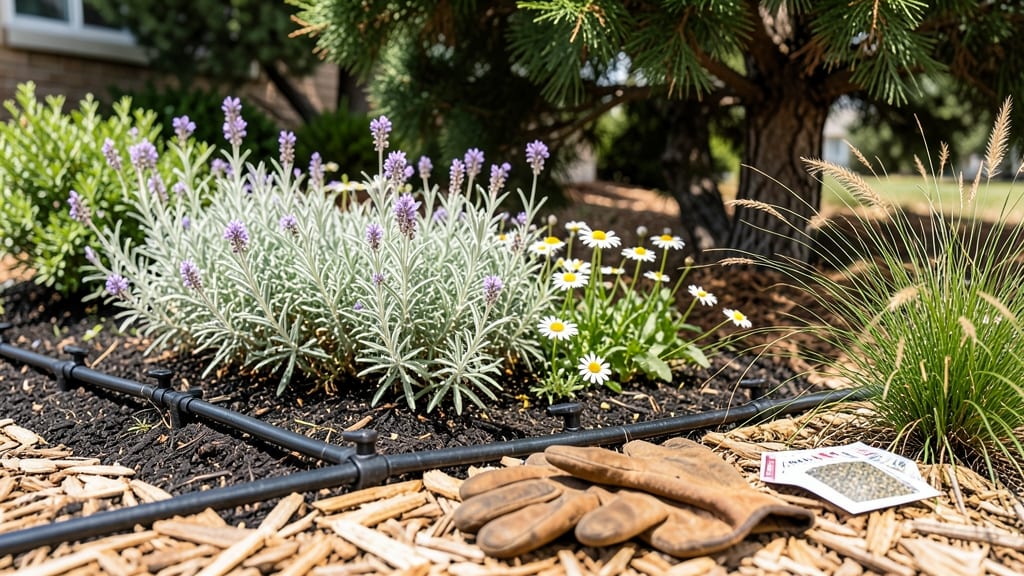
Fort Worth's gardening zone classification includes USDA Zones 8a and 8b, where winter lows typically range from 10°F to 20°F (-12°C to -6°C). Local variations like urban heat pockets or sheltered garden spots can push plant hardiness up to two zones higher, so always observe your specific microclimate before finalizing planting plans.
Understanding Fort Worth's gardening zone helps you choose plants that thrive in your specific conditions. 🌱 The USDA classification serves as a baseline, but local factors like building shade, concrete heat absorption, or wind patterns create microclimates that can dramatically alter what grows best.
For example, a south-facing garden may support tropical plants like bougainvillea, while a north-facing area might need cold-hardier options like Texas sage. I recommend testing soil temperature and monitoring frost dates for at least two seasons to refine your planting strategy.
Another key consideration is Fort Worth's extended growing season—typically from mid-March to November—where warm-season crops like tomatoes and peppers can flourish with proper timing. The city's clay-heavy soil also benefits from amendments like compost or sand to improve drainage.
By accounting for these local variations, you'll maximize your garden's potential beyond the standard USDA guidelines.
💡 In This Article
- USDA Zone 8a vs 8b: Key Temperature and Planting Differences in Fort Worth
- Microclimate Adjustments: Urban Heat, Soil Variances, and Wind Exposure in Fort Worth Gardens
USDA Zone 8a vs 8b: key temperature and planting differences in Fort Worth
The USDA classification divides Fort Worth into Zone 8a (10°F to 15°F) and Zone 8b (15°F to 20°F), based on the average annual minimum temperature. Zone 8a represents the colder extremes, where plants must survive occasional dips below 10°F, while Zone 8b enjoys slightly milder winters.
This 5°F difference translates to critical survival thresholds for many plants—like citrus trees, which can handle Zone 8b's lows but may suffer leaf damage in Zone 8a's colder snaps.
Frost dates reveal the practical impact: Zone 8a typically sees its last spring frost around March 15, while Zone 8b averages March 1—a two-week window that determines when to plant frost-sensitive crops like tomatoes or peppers.
Conversely, fall planting must account for first frost dates, which arrive around November 15 in Zone 8a but can extend to November 30 in Zone 8b. This timing affects dormancy cycles, as plants in colder Zone 8a may enter winter rest earlier, requiring staggered planting schedules for continuous harvests.
What this means for gardeners: Zone 8a's stricter cold tolerance allows only the hardiest plants (like Texas bluebonnets or yucca) to thrive without winter protection, while Zone 8b can support more tender varieties like hibiscus or bougainvillea.
The difference also influences soil temperature—Zone 8a soils warm more slowly in spring, delaying planting for warm-season crops by 10-14 days compared to Zone 8b. 🌱 For example, sweet potatoes need soil at 70°F to germinate, so Zone 8a gardeners should wait until late April, while Zone 8b can start in early April.
Dormancy cycles further complicate planting: Zone 8a's colder winters force plants to fully enter dormancy, while Zone 8b's milder conditions may allow some evergreens to remain semi-active. This explains why Zone 8a gardens require more winter mulching or frost cloths to protect tender perennials.
The 10°F threshold is particularly critical—many Zone 8b plants (like dwarf citrus) will suffer damage if exposed to Zone 8a's coldest nights, even if average lows stay above 10°F.
Consider these key planting windows for common Fort Worth crops:
- Spring planting: Zone 8a waits until after March 15; Zone 8b can start March 1
- Fall planting: Zone 8a must finish by November 15; Zone 8b extends to November 30
- Warm-season crops: Zone 8a plants 2 weeks later than Zone 8b
- Cold-hardy veggies: Zone 8a can plant spinach in October; Zone 8b may need to wait until November
For example, a tomato plant in Zone 8a's colder microclimate might need row covers until late April, while the same variety in Zone 8b could be planted by early April.
The 5°F difference between zones translates to 10-14 days of growing season—critical for heat-loving crops that struggle with cool soils. 🌿