
Tools
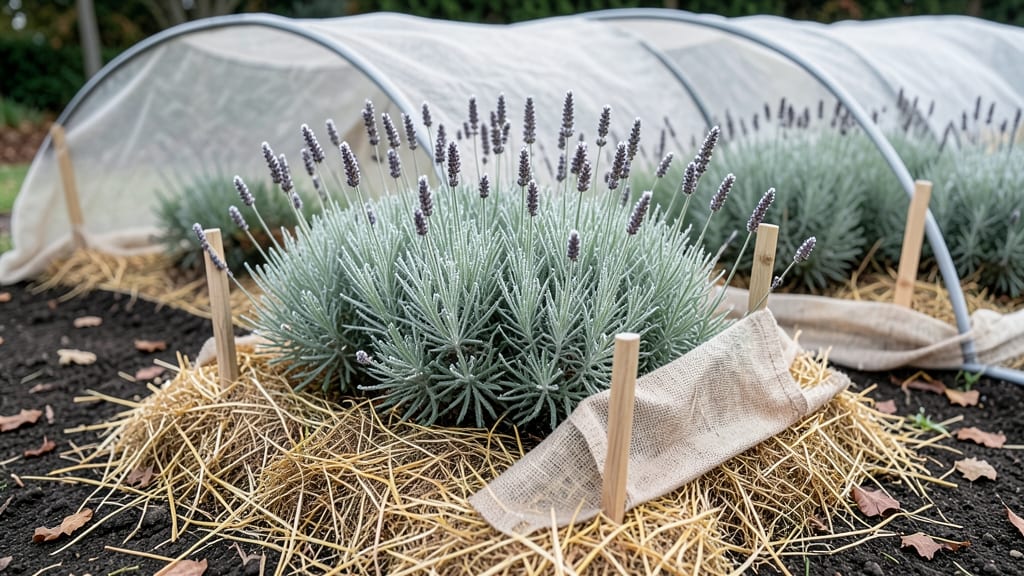
Winter protection for your garden is the difference between a thriving spring and a lost season.
Freezing temperatures can turn your thriving garden into a frostbitten wasteland—but with the right winter protection strategies, you can shield your plants and extend their growing season well into the cold months.
Layered insulation isn’t just about covering plants; it’s about trapping warmth, blocking wind, and keeping roots alive. Whether you’re dealing with hardy perennials or tender annuals, the right materials—like straw, frost cloths, or even old blankets—make all the difference.
In this guide, I’ll walk you through step-by-step methods to build a frost-proof barrier, avoid common mistakes, and keep your garden safe until spring. No more guessing—just proven techniques for stronger plants and less stress in the coldest months.
How layered insulation protects plants from frost damage
When winter temperatures plummet, your garden becomes vulnerable to frost damage that can kill tender plants and even established perennials. The secret to survival? Layered insulation mimics nature's protective strategies by trapping heat, reducing moisture loss, and shielding delicate tissues from freezing.
Unlike single-layer solutions, this method creates air pockets that act as natural insulators, while reflective materials bounce back radiant heat.
Think of it like dressing for winter—just as you layer a sweater, scarf, and gloves, plants need multiple protective barriers. The outermost layer blocks wind and snow, while inner layers retain warmth near the plant's crown and roots.
This approach is especially critical for tender annuals, bulbs, and young perennials that lack the hardiness of mature woody plants.
Science backs this up: a 3-inch layer of straw can raise soil temperatures by 10-15°F compared to uncovered ground. When combined with bubble wrap or frost cloth, you create a microclimate that keeps roots from freezing.
For evergreen shrubs, this protection prevents desiccation—a common winter killer caused by dry winds.
Organic mulches like leaf litter or pine needles break down slowly, adding nutrients while insulating. Synthetic options like frost blankets reflect sunlight back to the plant during the day. The key is balance—too many layers can trap moisture and cause root rot, while too few leave plants exposed to black frost damage.
| Protection Layer | Material Examples | Best For | Temperature Protection |
|---|---|---|---|
| Outer Windbreak | Burlap, corrugated cardboard | Tender perennials, annuals | Reduces wind chill by 5-8°F |
| Insulation Layer | Straw, shredded leaves, pine needles | Bulbs, root crops, shrubs | Raises soil temp by 10-15°F |
| Reflective Layer | Bubble wrap, frost cloth | Tender annuals, citrus, tropicals | Adds 5-10°F daytime warmth |
| Moisture Barrier | Plastic sheeting (vented) | Succulents, cacti, drought-prone plants | Prevents moisture loss |
Some plants need extra attention during winter. Tender perennials like lavender or rosemary benefit from a 4-inch mulch layer combined with a frost blanket. Bulbs, including tulips and daffodils, should have their tops covered with straw or leaves to protect emerging shoots from late spring frosts.
For woody plants, focus on protecting the trunk and root flare. Wrap young trees with tree guards and mound soil around the base. Evergreens need winter watering to prevent desiccation, while deciduous trees can be wrapped in burlap to conserve moisture.
The goal is to create a stable microclimate that mimics the plant's natural growing conditions.
Don't forget about container plants—they're especially vulnerable because their roots freeze more easily. Move potted herbs, citrus trees, and tender annuals to sheltered spots or wrap containers in bubble wrap. Grouping containers together creates a shared heat zone that raises temperatures by several degrees.
Timing matters too. Apply organic mulches before the first hard frost, but avoid piling them against tree trunks to prevent rot. For frost blankets, secure them during cold snaps and remove them during the day if temperatures rise above 40°F to prevent overheating.
By understanding how each layer contributes to thermal protection, you can customize your approach. Whether you're protecting herbaceous perennials or tropical plants, layered insulation gives your garden the best chance to survive winter's harshest conditions. The result? Healthier plants and a longer growing season when spring arrives.
Step-by-step guide to building a frost-proof garden barrier
When hard frosts threaten your garden, a well-built frost-proof barrier can be the difference between lost plants and a thriving winter garden. The key is combining materials that insulate, reflect heat, and allow airflow—like a cozy blanket for your plants.
Whether you're protecting tender perennials, bulbs, or young seedlings, this DIY approach works for USDA Zones 3-8 with simple adjustments.
Start by assessing your climate zone and plant types. In colder zones (3-5), prioritize thick organic layers like straw and burlap, while milder zones (6-8) can use lighter materials like bubble wrap or frost cloth. For example, roses need deeper insulation, while lavender only requires a light cover.
Gather your supplies—straw, burlap sacks, bubble wrap, and commercial frost blankets—and prepare to build a barrier that traps heat while keeping moisture in check.
For container plants, move pots to a sheltered spot like a garage or under an eave, then wrap the containers in bubble wrap or insulated sleeves. Add a layer of straw mulch around the base to prevent freezing.
In Zone 4 or colder, consider building a small hoop house with PVC pipes and frost cloth for delicate plants like citrus trees or tender perennials. This creates a microclimate that can raise temperatures by 5-10°F.
Remember, the goal is to insulate without suffocating. Avoid sealing plants completely, as trapped moisture leads to rot. Test your barrier on a small section first to ensure airflow. With this method, even sub-zero temperatures won’t stand a chance against your garden’s winter resilience. 🌱❄️
Pro tip: Label your protected plants with stakes so you remember what’s under all that insulation come spring! A little prep now means lush greenery when your neighbors are still shoveling frost. 🌿