
Tools
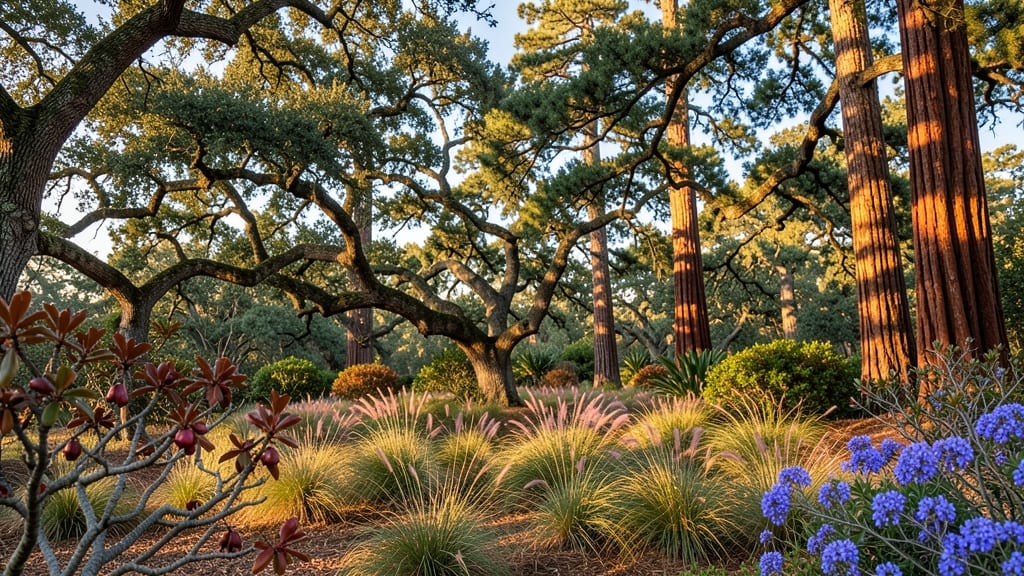
Filoli Garden in Redwood City offers a breathtaking blend of historic gardens, rare botanical collections, and serene trails that highlight both native California plants and exotic species. Spread across 57 acres, this estate features meticulously designed gardens, a beautifully restored 1915 mansion, and ever-changing seasonal displays that captivate plant lovers and history enthusiasts alike.
What sets Filoli apart is its ability to merge horticultural history with natural beauty. 🌿 The garden’s carefully curated plant collections—like its prized camellias and Japanese maples—were originally planted by early 20th-century horticulturists who understood the Bay Area’s unique microclimates.
These collections aren’t just visually stunning; they also serve as living examples of conservation efforts that have preserved rare species for over a century.
Beyond its famous gardens, Filoli hides lesser-known trails that offer a more intimate experience. The Woodland Garden, for instance, winds through native redwoods and ferns, while the Japanese Tea Garden provides a peaceful escape with its koi ponds and meticulously pruned trees.
Visitors often overlook these areas, but they’re where you’ll find the garden’s most unexpected delights—especially during seasonal blooms like spring azaleas or late-summer dahlias.
💡 In This Article
- Filoli’s Unique Plant Collections and Their Historical Significance
- Best Hidden Trails and Seasonal Plant Highlights at Filoli
Filoli’s unique plant collections and their historical significance
The garden’s most celebrated collections—like its 300+ camellias and 100+ Japanese maples—were carefully selected by early 20th-century horticulturists who understood the Bay Area’s mild, coastal climate with its distinct summer fog and winter rains.
These plants thrive because Filoli’s 57 acres mimic their native environments: the camellias, originally from Asia, love the garden’s acidic, well-draining soil, while the maples flourish in the dappled shade of the estate’s mature oaks. 🌿
What makes these collections historically significant is their connection to 1910s-1930s horticultural trends. The original Filoli estate, built in 1915, was designed by architect Willis Polk and landscaped by Frederick Law Olmsted Jr., who incorporated exotic species alongside native California plants—a bold approach at the time.
The garden’s rare conifers, such as the 120-foot-tall Coast Redwoods and ancient Dawn Redwoods, were planted as part of a broader movement to preserve threatened species. Today, these trees serve as living archives of botanical conservation.
The Bay Area’s climate plays a crucial role in why these plants thrive here. The cool summers (averaging 65-75°F) prevent heat stress, while the wet winters provide ideal hydration for moisture-loving species like rhododendrons and azaleas.
Filoli’s microclimates—created by its varied topography—allow for diverse plantings, from sun-loving dahlias in the Sunken Garden to shade-tolerant ferns in the Woodland Garden. This ecological balance is what makes Filoli a botanical treasure.
One standout example is the Japanese Tea Garden, planted in the 1920s by the estate’s original owners, the Canfield family. This half-acre garden features 150-year-old Japanese maples, a 1,000-gallon koi pond, and stone lanterns that were imported from Japan.
The garden’s design reflects Wabi-Sabi aesthetics, emphasizing imperfection and natural beauty—a philosophy that aligns with Filoli’s broader mission of preserving biodiversity.
Visitors often overlook how these collections were originally hand-selected for their resilience.
For instance, the camellias were chosen for their ability to bloom in both winter and spring, while the Japanese maples were picked for their color-changing foliage, from deep reds in autumn to vibrant greens in summer.
This careful curation ensures that Filoli remains a living museum of horticulture, where every plant tells a story of adaptation, history, and conservation. ✨
Today, Filoli continues this legacy through seasonal plant swaps, conservation workshops, and partnerships with botanical gardens like the San Francisco Botanical Garden. The estate’s rare plant collections aren’t just decorative—they’re a testament to how human ingenuity and ecological awareness can coexist in harmony.
Whether you’re admiring a blooming camellia in February or a golden Japanese maple in October, you’re witnessing a piece of living history. 🌸