
Container Gardens
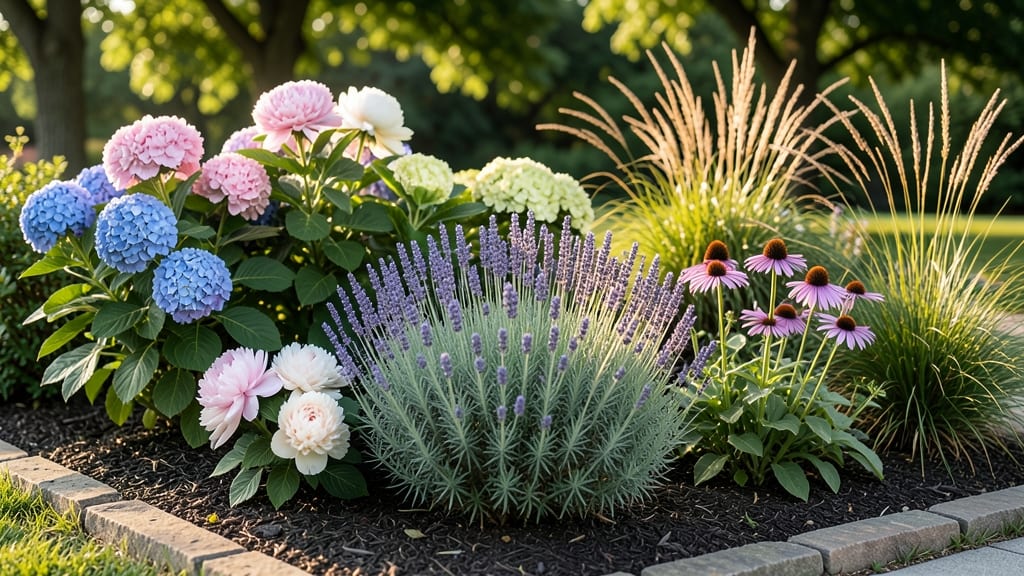
Nearby botanical gardens provide tranquil retreats featuring expertly curated plant displays, seasonal floral exhibits, and educational horticulture programs—ideal for nature enthusiasts and photography buffs. Use local tourism resources or apps like Google Maps to locate verified gardens within a 30-60 minute drive from your location.
These living museums go far beyond ordinary parks by showcasing rare plant species, conservation efforts, and themed seasonal displays like orchid festivals or holiday light installations. 🌿 Many gardens also host family-friendly workshops, from seed-saving classes to guided nature walks, making them educational hubs for all ages.
I always recommend visiting during off-peak hours to fully appreciate the tranquil atmosphere and avoid crowds.
For photography lovers, the layered landscapes and vibrant foliage create stunning backdrops year-round, while horticulture enthusiasts will appreciate the meticulously labeled collections.
What sets them apart is their dual role as both recreational spaces and active conservation sites, where visitors can directly support plant preservation efforts through memberships or volunteer programs.
💡 In This Article
- What Makes Nearby Botanical Gardens Worth Visiting
- How to Find and Plan Your Visit to Local Botanical Gardens
What makes nearby botanical gardens worth visiting
Nearby botanical gardens stand out because they serve as living laboratories where rare and endangered plant species thrive under expert care. These spaces often house collections of 10,000+ plant varieties, including native flora and exotic imports, carefully curated by horticulturists to promote biodiversity.
For example, many gardens feature conservation-focused displays where visitors can observe threatened orchids or medicinal plants up close—something you won’t find in a typical city park. 🌿 The scientific rigor behind these collections makes them invaluable educational resources.
The seasonal transformations are another major draw. Gardens like the Chicago Botanic Garden or Longwood Gardens host themed exhibits, such as orchid shows in spring (with 20,000+ blooms) or holiday light displays in winter featuring millions of LED bulbs.
These events attract crowds, but the real magic happens during off-peak visits when you can wander through fragrant rose gardens or serene Japanese rock gardens without distractions. The sensory experience—from the crisp scent of lavender to the rustling of bamboo—creates a multi-layered immersion in nature.
Beyond aesthetics, these gardens play a critical role in plant preservation. Many operate as seed banks or participate in global conservation programs, such as the Millennium Seed Bank Project. Visitors can even contribute by participating in citizen science initiatives, like tracking pollinator populations or identifying invasive species.
This hands-on engagement turns a leisurely stroll into an active conservation effort, which is a unique opportunity compared to passive park visits.
Educational programming further elevates the experience. Workshops on organic gardening, native plant landscaping, or botanical illustration cater to all ages, making these spaces ideal for families, students, and hobbyists.
For instance, the New York Botanical Garden offers weekend family workshops where kids can propagate their own plants to take home—a far cry from the static exhibits of traditional museums. 🌱 The combination of beauty, education, and actionable conservation makes these gardens far more than just green spaces.
Photographers also find botanical gardens irresistible due to their artistic lighting and layered compositions. The interplay of textured foliage, vibrant blooms, and architectural elements (like glasshouses or pergolas) creates endless framing opportunities.
Pro tip: Visit during the golden hour (just after sunrise or before sunset) to capture the soft, diffused light that enhances colors and details. Many gardens even offer photography-focused tours to help visitors compose their best shots.
Finally, the community aspect sets botanical gardens apart. Memberships often include perks like discounted entry, exclusive event access, and free workshops, making them a cost-effective way to support local green spaces.
Volunteer opportunities—such as helping in the greenhouse or leading school programs—foster a sense of ownership and connection to the garden’s mission. This dual role as both a recreational haven and a community hub is what makes them truly special.