
Tools
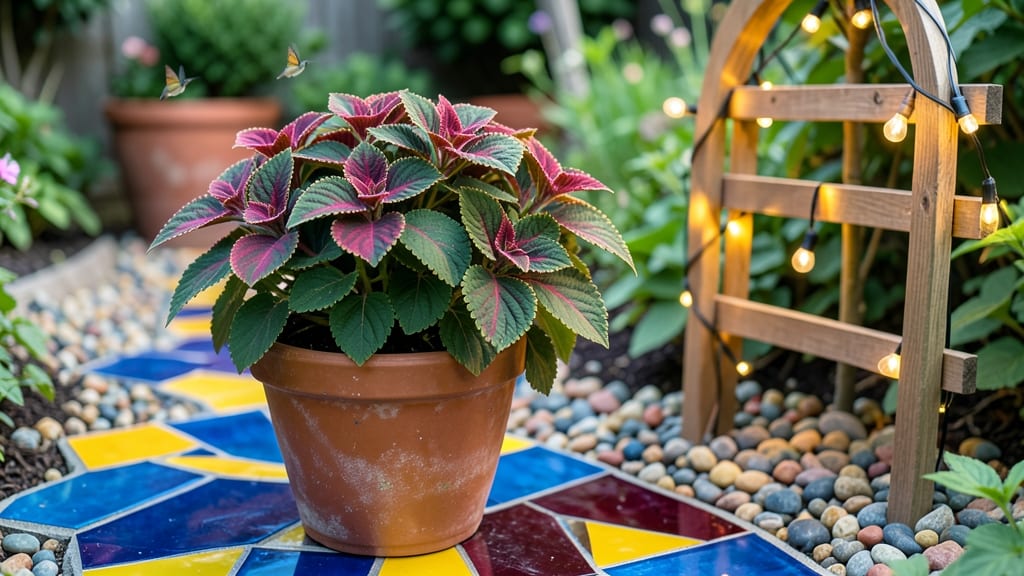
Creating an enchanted garden with colors that shift like a living watercolor painting is easier than you think—it’s all about the right plants and the light they dance in.
Imagine stepping into your garden at dawn, dusk, and high noon—only to discover that your plants transform the space into a living, breathing canvas of ever-changing hues.
The Enchanted Garden Colors Collection 🌸 isn’t just about static blooms; it’s about harnessing the magic of sunlight to turn your yard into a seasonal masterpiece.
Light isn’t just a backdrop—it’s the brushstroke that makes lavender blush pink at sunset or turns deep green foliage into gold by afternoon.
With the right mix of perennials, annuals, and foliage, you can design a garden that feels like a fairy-tale scene, shifting effortlessly with the day and the seasons.
Below, I’ll show you how to curate palettes that evolve naturally, from spring’s soft pastels to autumn’s fiery contrasts, and share pro tips to maximize those mesmerizing color shifts—no extra work required, just pure garden magic.
How light transforms garden colors throughout the day
Light isn’t just a source of energy for your plants—it’s the secret painter behind your enchanted garden colors. The angle and intensity of sunlight shift dramatically from dawn to dusk, revealing hidden hues in foliage and flowers.
At sunrise, cool blues and soft purples dominate, while midday sun intensifies vibrant reds and golden yellows. By evening, deep magentas and silvery greens take center stage. Understanding these shifts lets you design a garden that feels like a living watercolor painting.
Think of sunlight as a color-enhancing filter. Morning light, rich in blue wavelengths, makes lavender and blue hydrangeas appear more vivid. Midday’s yellow spectrum boosts the orange in black-eyed Susans and the gold in coreopsis.
Meanwhile, evening’s reddish hues deepen the purple in clematis and salvia. Even foliage plants like heuchera or coleus change shades based on light exposure, adding layers of enchanted garden colors to your space.
Here’s how to leverage these light-induced color shifts in your garden design. Start by grouping plants with morning-blooming flowers like morning glories or larkspur near east-facing windows or borders. These varieties thrive in cool morning light and fade beautifully as the sun climbs higher.
For afternoon brilliance, place sun-loving perennials such as black-eyed Susans or coneflowers in south or west-facing areas where they’ll bask in intense midday rays.
🌿
| Time of Day | Light Angle | Dominant Colors | Best Plants for Contrast |
|---|---|---|---|
| Dawn (6-8 AM) | Low, cool light | Blues, purples, silvers | Lavender, blue hydrangeas, heuchera |
| Morning (8 AM-12 PM) | Warming, indirect | Pinks, yellows, soft greens | Roses, coreopsis, coleus |
| Midday (12-4 PM) | Direct, intense | Reds, oranges, golds | Sunflowers, black-eyed Susans, salvia |
| Afternoon (4-7 PM) | Low, golden | Ambers, deep purples | Clematis, echinacea, sedum |
| Dusk (7-9 PM) | Fading, cool tones | Silvers, deep blues | Lavender, hebe, hostas |
Seasonal light changes also play a role in your enchanted garden colors. In spring, when daylight increases, pastel blues and whites dominate, while summer’s longer days intensify bright reds and yellows.
Autumn’s shorter daylight enhances deep purples and burnt oranges, and winter’s low-angle light creates a silvery-blue glow on evergreens. To maximize these shifts, I recommend planting foliage with seasonal color changes, like Japanese maples or smoke bushes, alongside flowers that bloom at different times.
For a truly magical garden effect, pair high-contrast plants that thrive in varying light. For example, place deep purple clematis near a bright yellow coreopsis—their colors will pop against each other as the light shifts. Another trick?
Use reflective surfaces like light-colored gravel or mirrored planters to amplify color intensity. Even white flowers, like dahlias or gardenia, reflect light differently in the morning versus afternoon, creating a dynamic visual experience.
Light also affects foliage colors in surprising ways. Plants like heuchera
Seasonal enchanted garden palettes: what to plant for year-round magic
Creating a garden that shifts colors with the seasons is easier than you think! By selecting the right perennials, annuals, and foliage plants, you can transform your space into a magical canvas that evolves from spring’s soft pastels to winter’s icy hues.
The key lies in layering plants with complementary colors and varying bloom times to ensure continuous visual interest.
Start with a spring palette of delicate lavender, soft pink, and buttery yellow blooms like peony, bleeding heart, and daffodils. These early bloomers set the stage for warmer tones as summer arrives.
For summer’s fiery contrasts, introduce bold red salvia, orange marigolds, and deep purple cleome to create high-impact focal points.
As temperatures cool, autumn’s deep purples and burnt oranges take center stage with Japanese anemones, black-eyed susans, and smoke bush foliage. Finally, winter’s icy silver tones from ornamental grasses, silver dusty miller, and evergreen boxwood add texture and elegance to the dormant season.
| Season | Color Palette | Key Plants | Maintenance |
|---|---|---|---|
| Spring | Pastel pink, lavender, yellow | Peony, Bleeding Heart, Daffodil | Low - divide perennials every 3-4 years |
| Summer | Red, orange, purple | Salvia, Marigold, Cleome | Medium - deadhead regularly |
| Autumn | Deep purple, burnt orange | Japanese Anemone, Black-Eyed Susan, Smoke Bush | Low - minimal pruning |
| Winter | Silver, icy blue, evergreen | Ornamental Grass, Dusty Miller, Boxwood | Very Low - protect from frost |
For a low-maintenance approach, focus on perennial combinations that self-seed or spread naturally. For example, coneflowers and black-eyed susans thrive in the same conditions and provide summer-to-fall color. Pair them with silver foliage plants like lamb’s ear or heuchera to extend the seasonal palette.
Don’t forget to incorporate textural elements like ornamental grasses or fern fronds to add depth. These plants provide year-round interest while complementing the shifting color schemes. Group plants with similar water needs together to simplify care—most spring bloomers prefer consistent moisture, while summer annuals often tolerate drought once established.
With this seasonal color strategy, your garden will feel like a living, breathing work of art that changes with each passing month—all with minimal effort! The key is to plan ahead and choose plants that naturally transition from one season to the next. 🌸