
Plants
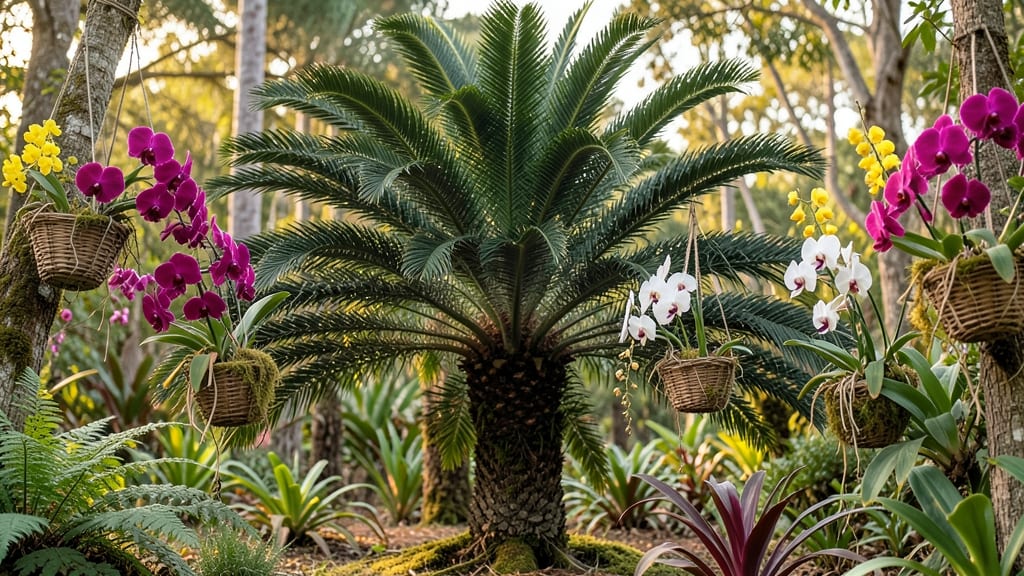
The Curitiba Botanical Garden offers secret paths like the Jardim Botânico’s Secret Path, where you’ll discover rare plants such as the iconic Curitiba palm and stunning Brazilian orchids, all tucked away from the main tourist routes. A guidebook will help you uncover these lesser-known botanical wonders.
The Curitiba Botanical Garden isn’t just about its famous main paths—it’s a treasure trove of hidden ecosystems designed to showcase Brazil’s native flora. 🌿 These secret trails, like the Jardim Botânico’s Secret Path, were intentionally created to highlight rare species while managing invasive plants, making them a conservation hotspot.
Many visitors overlook these areas, but they’re where the garden’s true botanical magic unfolds.
For the best experience, visit during the dry season (May–September) when trails are more accessible, and always bring a guidebook to navigate the lesser-known routes. Guided tours often reveal hidden details about each plant’s ecological role, while self-guided explorers can enjoy the tranquility of these offbeat paths.
Just remember—these fragile ecosystems need careful handling to preserve their beauty for future visitors.
💡 In This Article
- Hidden Trails and Their Unique Botanical Gems
- Best Times and Tips for Exploring Offbeat Garden Areas
Hidden trails and their unique botanical gems
The Curitiba Botanical Garden’s hidden trails were meticulously designed as ecological corridors, connecting fragmented native habitats while serving as living laboratories for conservation.
These paths prioritize rare species like the Curitiba palm (Arecastrum romanzoffianum), which thrives in the garden’s humid microclimate with its 10-15 meter height and distinctive fan-shaped fronds.
The Secret Path, for example, winds through a restored Atlantic Forest understory, where these palms create a canopy that filters sunlight to 30-40% intensity—ideal for orchid growth.
What makes these trails special is their dual role in both preservation and education. The garden’s botanists strategically placed rare species like Brazilian orchids (Cattleya labiata) along these paths, where their vibrant purple-pink blooms (measuring 8-12 cm across) contrast against the garden’s green backdrop.
These orchids rely on specific pollinators like hummingbirds, which are actively monitored through the garden’s citizen science programs. 🌸 The trails also serve as demonstration areas for invasive species management—like the Japanese honeysuckle—where controlled removal techniques are visibly implemented.
Ecologically, these hidden paths function as gene banks for threatened species. The Curitiba palm, for instance, plays a critical role in seed dispersal for over 50+ bird species that nest in its fronds.
The garden’s soil composition—rich in organic matter from decomposed leaves—supports these ecosystems, with pH levels maintained between 5.5-6.5 to prevent nutrient leaching. This careful balance is what allows rare species to flourish in these controlled environments.
Visitors often overlook how these trails were engineered with visitor experience in mind. The Secret Path, for example, features subtle elevation changes that create natural viewing platforms, allowing guests to observe the orchid’s root structure without disturbing the plants.
The garden’s 19th-century glasshouses along these routes also provide climate-controlled microenvironments for temperature-sensitive species, like the Brazilian water lily (Victoria amazonica), which requires 75-85°F water temperatures to bloom.
What truly sets these trails apart is their adaptive design. During heavy rains (common in Curitiba’s winter months), the paths use a permeable gravel base that drains excess water while maintaining soil moisture for delicate root systems.
This innovation prevents erosion while supporting the garden’s 98% native plant diversity—a statistic that puts it among the top 5% of botanical gardens worldwide for conservation success.
For those planning a visit, understanding these design principles transforms a simple walk into an educational journey. The interplay between rare flora, conservation techniques, and visitor accessibility creates a unique experience that mainstream paths simply can’t match. 🌿