
Container Gardens
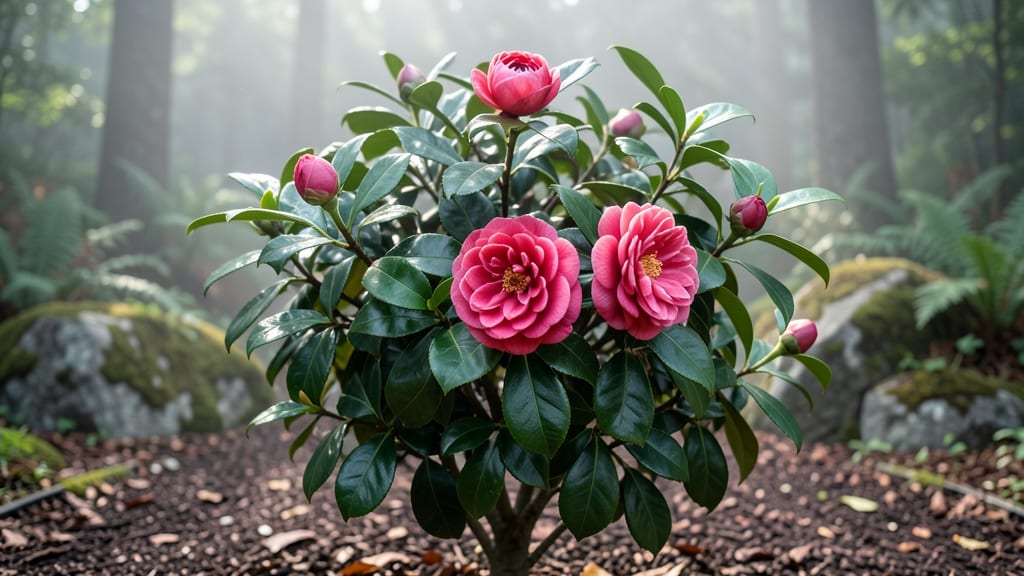
The botanical gardens in Fort Bragg feature native Carolina plants, vibrant seasonal displays including azaleas and camellias, and themed gardens like the Military Garden and Heritage Garden, all open free to the public during daylight hours year-round.
These gardens serve as a living classroom for local ecosystems, where you can explore over 50 species of native flora adapted to North Carolina's climate. 🌿 The spring and fall seasons are especially stunning, with azaleas bursting into color and chrysanthemums creating golden carpets across the landscape.
What makes these gardens unique is their blend of military history and natural beauty—each themed section tells a story while showcasing how plants thrive in this region.
The Military Garden highlights hardy species used historically for medicinal and practical purposes, while the Heritage Garden preserves rare Carolina natives. I always recommend visiting on weekdays to avoid crowds and take your time exploring the shaded trails, which are perfect for spotting butterflies and birds.
The gardens also serve as a great starting point for discovering other Fort Bragg attractions, like the Soldier's Garden and nearby hiking trails.
💡 In This Article
- Native Plants and Seasonal Blooms in Fort Bragg Gardens
- Best Times to Visit Fort Bragg’s Botanical Gardens
Native plants and seasonal blooms in Fort Bragg gardens
The gardens at Fort Bragg are a celebration of Carolina's native botanical diversity, featuring over 50 plant species that have thrived here for centuries.
The climate—with its humid subtropical conditions—creates the perfect environment for iconic Southern flora like Southern magnolias (Magnolia grandiflora), whose glossy leaves and fragrant white blooms can reach 12 feet tall.
These trees aren't just beautiful; they're ecological workhorses, providing food and shelter for pollinators like bees and butterflies, while their deep roots prevent soil erosion.
Seasonal blooms transform the gardens into ever-changing canvases. In spring (March-May), azaleas (Rhododendron spp.) explode in vibrant hues of pink, red, and white, thanks to their adaptation to acidic soils common in the region.
The dogwoods (Cornus florida), with their delicate four-petaled flowers, bloom slightly later, around April, offering a contrast in both color and form. These plants rely on the region's 60-70°F daytime temperatures and 50-60% humidity to trigger their flowering cycles—a perfect match for Fort Bragg's climate.
Summer brings lush foliage like American beautyberry (Callicarpa americana), whose purple berries attract birds, and fern varieties (e.g., Christmas fern) that thrive in the shaded areas.
The real spectacle arrives in fall (September-November) with chrysanthemums and goldenrod, whose bright yellow blooms create a warm contrast against the turning leaves. These late-season flowers also play a crucial role in supporting late-season pollinators like monarch butterflies, which migrate through the area.
What makes these gardens particularly fascinating is how their design incorporates historical plant uses. The Military Garden, for example, features species like echinacea (purple coneflower) and yarrow, which were historically used for their medicinal properties by soldiers.
Meanwhile, the Heritage Garden preserves rare natives like Carolina silverbell (Halesia carolina), a small tree with bell-shaped white flowers that were once used in traditional Cherokee remedies. This blend of ecology and history creates a unique educational experience for visitors.
The landscaping design itself reflects these ecological principles. Pathways are strategically placed to guide visitors through different microclimates—from sun-drenched areas perfect for heat-loving plants like black-eyed Susans to shaded spots where moisture-loving ferns thrive.
The use of mulch and native ground covers helps retain soil moisture while suppressing invasive species, a technique that benefits both the plants and the local ecosystem. 🌿
One of the most rewarding aspects of visiting these gardens is witnessing the symbiotic relationships between plants and wildlife. During peak bloom seasons, you'll often see hummingbirds feeding on trumpet vine flowers or cardinals perched on beautyberry bushes.
The gardens serve as a microcosm of how native plants support biodiversity, making them not just a visual treat but an active participant in the local ecosystem.