
Tools
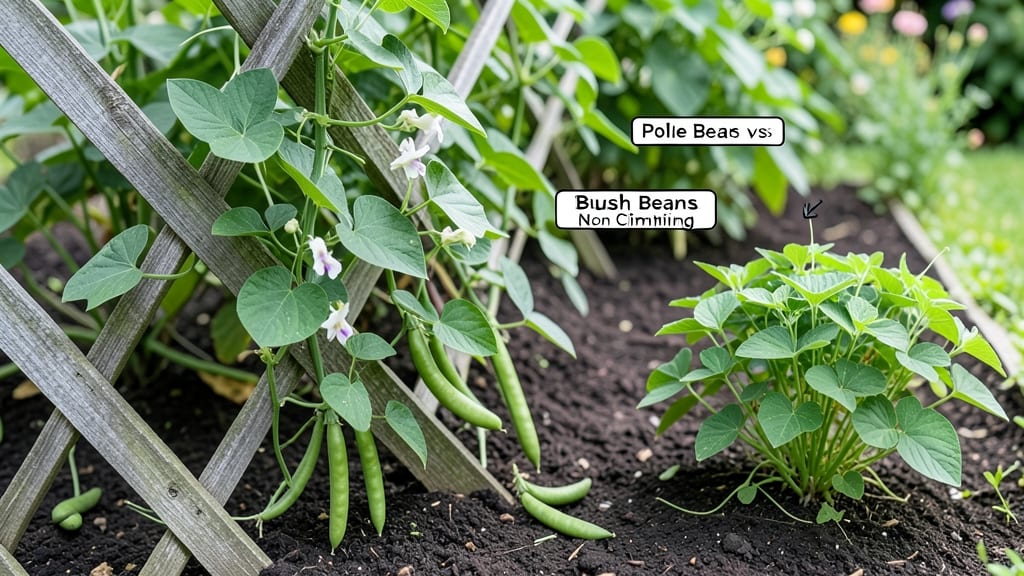
Garden beans generally do not need a trellis, as most varieties grow as compact, bush-type plants that thrive without support. However, pole beans benefit from climbing structures for better air circulation and higher yields in tight spaces.
Most garden beans—especially bush varieties like Blue Lake or Kentucky Wonder—grow low to the ground, producing pods close to the soil where they're easy to harvest. 🌱 The key difference lies in their growth habit: bush beans produce all their beans at once, while pole beans continue flowering and yielding over weeks, making vertical support worthwhile for maximizing output in limited garden space.
For small gardens or urban containers, even bush beans might benefit from lightweight stakes to keep pods off damp soil and improve airflow.
If you're growing pole beans, consider your space constraints and climate. In humid areas, trellises help prevent fungal diseases by keeping foliage dry, while in tight plots, vertical growth lets you fit more plants.
DIY options like bamboo stakes or chicken wire work well—just ensure they're sturdy enough to handle the weight of mature vines.
💡 In This Article
- How Bean Growth Habits Determine Trellis Needs
- When and Why to Use Trellises for Garden Beans
How bean growth habits determine trellis needs
Most garden beans fall into two distinct growth categories: bush beans and pole beans, each with unique botanical characteristics that dictate their need for support. Bush beans, like the popular Blue Lake variety, grow as compact shrubs reaching only 18-24 inches tall with a spread of 12-18 inches.
Their sturdy stems and bushy habit make them self-supporting, producing pods along the entire plant within 50-60 days of planting. The key advantage here is their determinate growth—they set all their beans at once, creating a tidy harvest window without requiring vertical space.
Pole beans, on the other hand, exhibit indeterminate growth, meaning they continue producing flowers and pods over 60-90 days or longer. Varieties like Kentucky Wonder or Scarlet Runner develop long, flexible vines that naturally climb, reaching heights of 6-12 feet or more.
These vines produce pods along their entire length, but without support, they sprawl horizontally, wasting precious garden real estate. The botanical reason for this climbing behavior lies in their tendrils, which wrap around structures to maximize sunlight exposure—a survival adaptation that becomes a gardener's advantage when properly managed.
Here's where the science gets interesting: pole beans grown vertically experience 30-50% more air circulation around their foliage compared to sprawling plants. This improved airflow reduces humidity near the leaves, cutting fungal disease risks like rust or powdery mildew by up to 40% in humid climates.
The vertical growth also positions pods away from damp soil, preventing rot and extending harvest freshness. In small gardens, this vertical advantage translates to 3-4 times more plants per square foot—a game-changer for urban gardeners with limited space.
Consider the Blue Lake Bush versus Kentucky Wonder Pole as a practical comparison. While bush beans yield 1-2 pounds per plant in a 3-foot radius, pole beans can produce 4-6 pounds per plant when trellised in the same space. The trade-off?
Bush beans require no maintenance beyond occasional watering, while pole beans demand 6-8 feet of vertical support and regular pruning to direct vine growth. For gardeners with limited space or high humidity, the yield and disease prevention benefits often justify the extra effort.
The choice between bush and pole varieties also affects your harvest strategy. Bush beans produce all their pods simultaneously, creating a 2-3 week harvest window that's ideal for canning or freezing. Pole beans, however, offer a prolonged harvest of 8-12 weeks, perfect for fresh eating throughout summer.
This extended production cycle makes pole beans particularly valuable in regions with short growing seasons, where maximizing yield duration becomes a priority.
For those experimenting with heirloom varieties, consider Scarlet Runner beans that produce both edible pods and striking red flowers. These pole beans thrive on trellises but also make stunning vertical garden decorations.
The flowers attract pollinators while the pods develop along the vines, creating a dual-purpose plant that maximizes both aesthetic and culinary value in a small footprint.