
Planting
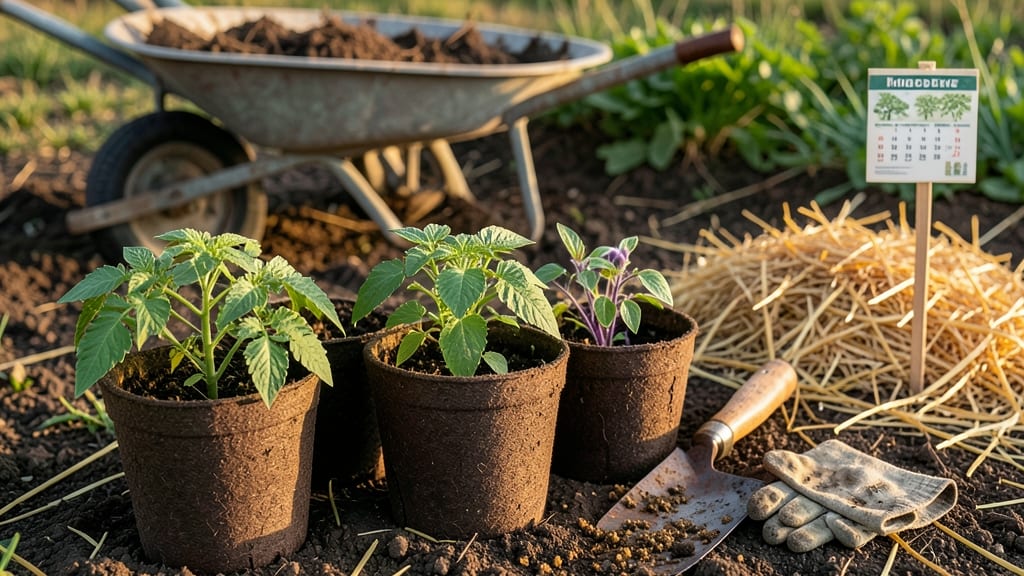
Planting a garden in Ohio at the right time means the difference between a thriving harvest and a wasted season—so timing your crops to Ohio's frost dates and soil warmth is the key to success.
Ohio’s unpredictable spring weather can turn gardening dreams into guesswork—but timing your plantings just right means the difference between a bountiful harvest and wasted seeds. With Ohio’s diverse planting zones (5-7), knowing exactly when to start each crop is your secret weapon for a thriving garden.
Cool-season crops like peas and lettuce thrive when planted as early as March, while tomatoes and peppers need to wait until after the last frost, usually around mid-May.
But here’s the catch: soil temperature matters just as much as calendar dates, and Ohio’s north-south split means your neighbor’s planting schedule might not work for you.
In this guide, I’ll break down the best planting windows for Ohio’s zones, how to adjust for microclimates, and the top mistakes that ruin timing—so you can grow more with less guesswork.
Ohio planting zones 5-7: exact dates for cool-season vs warm-season crops
Ohio’s planting zones 5-7 create a delicate balance between cool-season hardiness and warm-season heat tolerance. The last spring frost typically arrives between April 15 (Zone 7) and May 10 (Zone 5), while the first fall frost hits between October 10 (Zone 7) and September 20 (Zone 5).
These dates dictate whether your kale thrives or your tomatoes bolt—so let’s break it down by crop type.
For cool-season crops like peas, spinach, and broccoli, start seeds indoors 4-6 weeks before your last frost date. In Zone 5, that’s mid-March; in Zone 7, early March.
Direct-sow hardy varieties like kale and carrots as soon as soil reaches 40°F, often by late March in Zone 7 or early April in Zone 5.
Soil temperature is the real game-changer. Use a soil thermometer—warm-season crops like tomatoes and peppers need soil at 60°F+ before planting. In Ohio, this usually aligns with mid-May in Zone 7 but late May in Zone 5. Succession planting every 2 weeks after that keeps your harvest rolling until frost.
Perennials like asparagus and rhubarb have their own rules. Plant asparagus crowns in early spring (Zone 7: March 15; Zone 5: April 1) in trenches, while rhubarb thrives when planted in fall (October) or early spring for a 2-year head start.
| Crop Type | Planting Window (Zone 5) | Planting Window (Zone 7) | Soil Temp Threshold | Key Notes |
|---|---|---|---|---|
| Cool-Season (Peas, Kale, Spinach) | Indoors: Mar 15 Outdoors: Apr 15 |
Indoors: Feb 28 Outdoors: Mar 20 |
40°F+ | Direct-sow after frost date |
| Warm-Season (Tomatoes, Peppers) | After May 20 (60°F+) | After May 1 (60°F+) | 60°F+ | Use black plastic mulch to warm soil |
| Perennials (Asparagus, Rhubarb) | Asparagus: Apr 1 Rhubarb: Oct 15 |
Asparagus: Mar 15 Rhubarb: Oct 1 |
45°F+ | Asparagus needs 2 years to harvest |
| Succession Planting (Lettuce, Beans) | Every 2 weeks until Aug 1 | Every 2 weeks until Sep 1 | 50°F+ | Extend harvest until frost |
Fall planting is just as critical. Cool-season crops like radishes and turnips can be sown as late as September 1 in Zone 7 or August 15 in Zone 5, with harvests before frost.
For warm-season holdovers like sweet potatoes, plant slips in late June to mature before cold snaps.
Don’t overlook microgreens and fast-maturing varieties—they’re your secret weapon for late starts. Bush beans (50-day varieties) or bok choy can still thrive when planted in July, giving you a fall harvest before frost. Just monitor your local frost forecast and adjust by 1-2 weeks if needed.
Pro tip: Use row covers to extend your spring planting window by 2-3 weeks. They protect tender seedlings from late frosts while letting sunlight through. For Zone 5 gardeners, this means you can plant cabbage by March 20 instead of waiting until April.
Remember, Ohio’s frost dates shift yearly. Bookmark the National Weather Service’s frost prediction maps or sign up for local extension service alerts
How to adjust planting times for Ohio’s microclimates (urban vs rural, north vs south)
Ohio’s planting calendar isn’t one-size-fits-all—your urban Cincinnati garden may need a 2-week earlier start than your rural Appalachian neighbor due to heat islands. Cities like Columbus can be 5-10°F warmer than surrounding areas, while lake-effect cooling near Toledo delays spring by 1-2 weeks.
Even within 50 miles, these microclimates create planting zone shifts that can ruin your harvest timing.
Southern Ohio’s Zone 6-7 areas (like Athens) often see earlier last frosts (March 15-April 1) compared to northern Zone 5 (like Cleveland, April 15-May 1). Meanwhile, Appalachian elevations can push frost dates back another 2 weeks.
I’ve adjusted my tomato plantings by 3 weeks just by moving from downtown Dayton to a hilltop farm—the difference was night-and-day for yield.
Here’s how to tweak your schedule based on local conditions, including heat-tolerant varieties for cities and cold-hardy options for the north:
For urban gardeners, focus on heat-tolerant varieties and use reflective mulches to cool roots. My Cincinnati garden thrives with 'Black Krim' tomatoes planted May 15 (2 weeks later than rural neighbors) because the city’s heat would fry standard varieties.
Meanwhile, northern Ohio gardeners should prioritize early-maturing crops like 'Sugar Snap' peas (plant by April 1) and 'Early Girl' tomatoes (wait until May 10).
Pro tip: Use local weather stations (like